
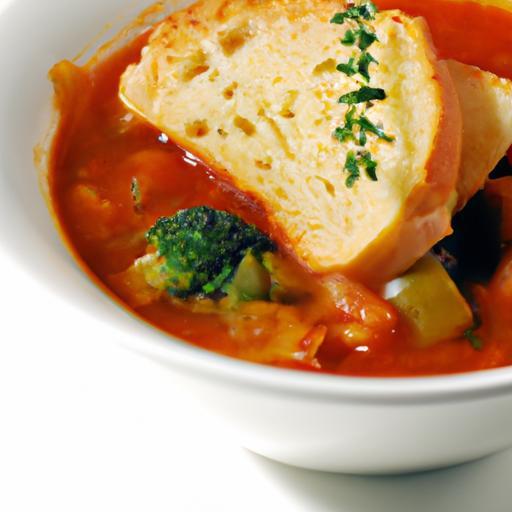
Few dishes capture the spirit of Italy quite like minestrone-a vibrant mosaic of fresh vegetables, tender beans, and al dente pasta or rice, all simmered to soulful perfection. This humble soup, with its rustic roots and regional variations, tells a story of tradition, resourcefulness, and community around countless Italian tables. In “Minestrone Magic: A Hearty Journey Through Italy’s Classic Soup,” we embark on a flavorful exploration of this beloved comfort food,uncovering its history,iconic ingredients,and the timeless techniques that transform simple pantry staples into a nourishing masterpiece. Whether enjoyed as a starter or a meal in itself, minestrone is more than just soup-it’s a celebration of Italy’s culinary heart.
Minestrone Magic invites you on an immersive culinary journey, tracing its roots deep through Italy’s diverse regions and seasonal harvests. This vibrant soup is more than a meal-it’s a celebration of italy’s agricultural bounty and customary cooking wisdom. From the rustic gardens of Liguria to the hearty kitchens of Lombardy, minestrone has evolved as a mosaic of local ingredients and artisanal techniques, each bowl telling a story of place, people, and palate.
Prep and Cook Time
- Preparation: 20 minutes
- Cooking: 50 minutes
- Total Time: 1 hour 10 minutes
Yield
Serves 6 generous bowls
Difficulty Level
Medium – approachable for cooks comfortable with layering flavors and managing multiple ingredients
Ingredients
- 3 tbsp olive oil, preferably extra virgin
- 1 medium onion, finely chopped
- 2 cloves garlic, minced
- 2 medium carrots, diced into uniform small cubes
- 2 celery stalks, diced
- 1 medium zucchini, diced
- 1 cup green beans, trimmed and cut into 1-inch pieces
- 1 cup fresh spinach, loosely packed
- 2 medium potatoes, peeled and diced
- 1 (14 oz) can diced tomatoes, with juices
- 4 cups vegetable broth, homemade or high-quality store-bought
- 1 cup cooked cannellini beans, drained and rinsed
- 1/2 cup small pasta shells (e.g., ditalini)
- 1 tbsp tomato paste
- 1 tsp dried oregano
- 1/2 tsp dried thyme
- Salt and freshly ground black pepper to taste
- Fresh basil or parsley, chopped for garnish
- Grated Parmigiano-Reggiano, for serving (optional)
instructions
- Heat olive oil in a large heavy-bottomed pot over medium heat. Add the onion, garlic, carrots, and celery. Sauté until the vegetables soften and the onion turns translucent, about 7 minutes. Stir occasionally to prevent sticking.
- Add the diced potatoes, green beans, zucchini, and tomato paste. Stir well to coat the vegetables, cooking for 3 minutes until fragrant.
- Pour in the vegetable broth and canned tomatoes with their juices. Bring the mixture to a gentle boil, then reduce heat to a simmer.
- Add oregano, thyme, salt, and pepper. Let the soup simmer uncovered for 25-30 minutes until the potatoes and green beans are tender, stirring occasionally.
- Carefully stir in the cooked cannellini beans and pasta shells. Continue to simmer for another 10-12 minutes until pasta is al dente.
- Just before serving, fold in the fresh spinach to wilt gently in the hot broth.
- Taste and adjust seasoning if necessary.
- Ladle the soup into bowls and garnish with a sprinkle of fresh herbs and a delicate shaving of Parmigiano-Reggiano, enhancing both aroma and flavor.
Chef’s Notes: Tips for Success
- Broth Base: To truly elevate flavor and texture, prepare a homemade broth from vegetable trimmings, herbs, and a touch of umami-rich ingredients like dried mushrooms or kombu. Slow simmering coax complex notes into the soup, embodying the essence of Minestrone Magic.
- Seasonal Vegetables: Adaptability is key-swap or add seasonal picks like peas in spring, kale in fall, or butternut squash for winter warmth. Pair firmer vegetables with quicker-cooking greens last to maintain vibrant textures.
- Pasta: Use small shapes to create balancing texture; avoid overcooking to prevent a mushy soup. Alternatively, leave pasta out and serve separately.
- Make-Ahead: Minestrone magic deepens after resting. Prepare a day ahead,refrigerate,and gently reheat,adding fresh herbs right before serving.
- Vegan Variation: Omit cheese or replace with a sprinkle of nutritional yeast for a savory, plant-based finish.
Serving Suggestions and Wine Pairings
Serve this hearty soup with a rustic wedge of crusty sourdough or focaccia brushed with garlic-infused olive oil. A dusting of shaved Parmigiano adds a sumptuous, salty contrast. For an authentic Italian touch, pair Minestrone Magic with a glass of Chianti Classico, whose bright acidity and cherry notes beautifully balance the earthy richness and vegetable medley. for white wine lovers, a crisp Verdicchio or Soave complements the herbal brightness without overwhelming the subtle broth.
| Nutrient | Per Serving |
|---|---|
| Calories | 210 kcal |
| Protein | 8 g |
| Carbohydrates | 32 g |
| Fat | 6 g |
For a comprehensive exploration of Italy’s classic soups,check out our detailed guide to Risotto,Ribollita,and beyond.

Q&A
Q&A: Minestrone Magic – A Hearty Journey Through Italy’s Classic Soup
Q1: What makes minestrone more than just a vegetable soup?
A1: Minestrone is a soulful mosaic of Italy’s seasons, regions, and traditions. Unlike a simple vegetable broth, it’s a hearty, evolving creation that embraces whatever fresh produce is at hand, combined with beans, pasta or rice, and a rich medley of herbs. Each spoonful tells a story of communal tables, rustic kitchens, and the joyous Italian way of turning humble ingredients into a meal bursting with life and flavor.
Q2: How did minestrone come to be an icon of Italian cuisine?
A2: Its roots stretch back to Roman times, where peasant cooks combined garden finds with staples like lentils and grains to create sustaining fare. Over centuries, minestrone evolved as a reflection of Italy’s diverse geography, absorbing influences from North to South. It became a symbol of frugality and festivity, embodying the Italian ethos that food nourishes both body and spirit.
Q3: Which regional variations of minestrone should every foodie know about?
A3: From Liguria’s pesto-infused version brightened with verdant basil to Tuscany’s robust blend featuring cavolo nero (black kale) and cannellini beans, regional minestrones showcase Italy’s colorful produce and culinary flair. In Milan, you might find saffron lending a golden hue, while in Rome, artichokes and pecorino cheese add distinct local character. Each variant invites a delicious detour into a different corner of Italy.
Q4: What are the essential ingredients that define a classic minestrone?
A4: At its heart, minestrone pulses with seasonal vegetables-think carrots, celery, tomatoes, and green beans-joined by hearty beans such as borlotti or cannellini. A soffritto of onion,garlic,and olive oil forms the flavorful base,while herbs like rosemary,thyme,or bay leaf infuse subtle complexity. Pasta or rice add comforting texture, and a finishing drizzle of olive oil or sprinkle of Parmesan crowns this soup symphony.
Q5: How can one make minestrone magical in their own kitchen?
A5: The magic lies in attentiveness and creativity. Use the freshest vegetables you can find, don’t rush the simmer to allow flavors to meld, and embrace flexibility-no two pots need be identical.stir in your favorite pasta shapes or grains, adjust seasoning mindfully, and serve with rustic bread to soak up every drop. Most importantly,savor the process as much as the result,turning dinner prep into an aromatic Italian escape.Q6: Why does minestrone have such enduring appeal worldwide?
A6: Minestrone’s charm transcends borders because it’s fundamentally about comfort,health,and celebration of nature’s bounty. Its adaptability lets it fit into any season, pantry, or palate, while its rich textures and vibrant taste satisfy a primal craving for wholesome nourishment.Ultimately, minestrone is an edible metaphor for Italians’ enduring love affair with simple, soulful food that gathers people together.
To Conclude
As the last spoonful of minestrone warms the soul and stirs the senses, we realize this humble soup is far more than a simple medley of vegetables and beans. It is a culinary tapestry woven from Italy’s rich regional traditions,seasonal bounty,and heartfelt home cooking.Whether savored in a rustic kitchen nestled among Tuscan hills or recreated in your own home, minestrone continues to embody the magic of comfort, nourishment, and timeless flavors. So next time you ladle out a steaming bowl, remember-you’re partaking in a centuries-old journey that celebrates the art of simplicity and the joy of sharing a truly classic Italian treasure. Mangia bene!