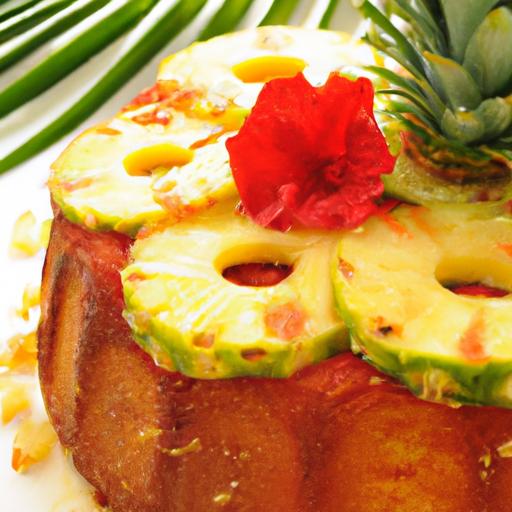

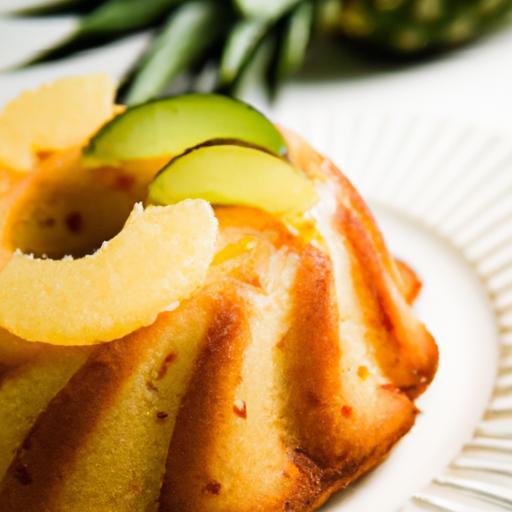
There’s something undeniably enchanting about a pineapple upside-down cake-the glossy caramelized fruit crowns a tender, buttery base, promising a perfect balance of sweet and tangy with every forkful.But beneath its golden surface lies a fascinating chemistry that transforms humble ingredients into a tropical symphony of flavor and texture. From the caramelization of brown sugar to the tender crumb’s delicate rise, the science behind this classic dessert is as captivating as its taste.Join us as we unravel the sweet secrets that make the perfect pineapple upside-down cake a masterpiece of culinary alchemy.
The Sweet Science Behind Perfect Pineapple Upside-Down Cake
The Sweet Science Behind Perfect Pineapple Upside-Down Cake begins with understanding how caramelization breathes life into each golden slice. A complex dance of heat and sugar, this transformative process creates that irresistibly glossy, amber-hued glaze that perfectly hugs tender pineapple rings. But it’s not just about sugar melting-it’s about coaxing out layers of flavor and texture, making each bite a tropical symphony.
Prep and Cook Time
- Planning: 20 minutes
- Cooking: 35-40 minutes
- Cooling: 15 minutes
- total Time: 1 hour 15 minutes
Yield
Serves 8 generous slices
Difficulty Level
Medium – perfect for adventurous bakers looking to deepen their pastry skills
Ingredients
- For the Topping:
- 1/2 cup unsalted butter, melted
- 3/4 cup packed light brown sugar
- 1 large fresh pineapple, peeled, cored, and sliced into 1/2-inch thick rings
- Maraschino cherries for garnish (optional)
- For the Batter:
- 1 1/2 cups all-purpose flour, sifted
- 2 teaspoons baking powder
- 1/4 teaspoon salt
- 2 large eggs, at room temperature
- 3/4 cup granulated sugar
- 1/2 cup whole milk, warmed slightly
- 1/3 cup vegetable oil or melted unsalted butter
- 1 teaspoon pure vanilla extract
Instructions
- Preheat the oven to 350°F (175°C). Prepare a 9-inch round cake pan by brushing it with a little butter.
- Create the caramelized topping: In a medium bowl, combine melted butter and light brown sugar until smooth. Pour this mixture evenly into the bottom of your cake pan.
- Arrange pineapple slices meticulously atop the caramel,pressing them gently to adhere. Optionally, tuck a maraschino cherry in the center of each ring for vibrant pops of color.
- Mix dry ingredients: in a large bowl, whisk together sifted flour, baking powder, and salt. This step ensures even rise and crumb texture, essential for complementing the pineapple’s juiciness.
- Beat eggs and sugar: In a separate bowl, vigorously beat the eggs and granulated sugar until pale and creamy – about 3-4 minutes. This creates the airy base of our batter.
- Incorporate wet ingredients: Add warmed milk, vegetable oil, and vanilla extract to the egg mixture, stirring gently to combine.
- Combine mixtures carefully: Gradually fold the dry ingredients into the wet, using a spatula to maintain lightness while achieving a smooth batter.
- Pour batter evenly over the pineapple and caramel layer in the pan. Use a spatula to spread it into an even layer without disturbing the fruit arrangement.
- Bake on the middle rack for 35-40 minutes, positioning your cake for optimal heat distribution.Check doneness with a skewer inserted in the center; it should come out clean or with moist crumbs.
- cool the cake in the pan on a wire rack for 15 minutes, allowing the caramel to set but remain luscious.
- Invert gently onto a serving plate. Lift your pan slowly and enjoy the reveal of that glossy, golden pineapple glaze.
Tips for Success
- Choosing the right pineapple is crucial: varieties like Golden Maui or Sugarloaf offer a perfect balance of sweetness and firm texture that resists turning mushy.
- Balance your batter chemistry by not overmixing flour components-overworking gluten develops toughness. Rather, gently fold ingredients to complement the pineapple’s moisture.
- Even heat distribution is key. Baking on the center rack helps prevent uneven browning or undercooked spots. Consider rotating the pan halfway through baking.
- If fresh pineapple is unavailable, use canned slices packed in juice for consistency but drain thoroughly, as excess liquid can affect caramelization and batter texture.
- For a dramatic caramel glaze buildup, experiment with substituting part of the brown sugar with demerara sugar for added crunch and depth.
- make-ahead tip: The cake tastes even better the next day once the flavors meld. Store covered at room temperature or gently warmed before serving.
Serving Suggestions
Serve each slice warm, accompanied by a dollop of whipped cream or a scoop of vanilla bean ice cream. Garnish with fresh mint leaves to echo the tropical theme,or toast lightly chopped macadamia nuts over the top for a nutty crunch. A drizzle of coconut caramel sauce can elevate this classic to sublime levels.

| Nutrient | Per serving |
|---|---|
| Calories | 320 kcal |
| Protein | 4 g |
| Carbohydrates | 50 g |
| Fat | 10 g |
You might also enjoy diving deeper into moist cake baking techniques to expand your dessert mastery.
Q&A
Q&A: The Sweet Science Behind Perfect Pineapple Upside-Down Cake
Q1: What makes pineapple upside-down cake so uniquely appetizing?
A1: It’s the magical marriage of caramelized fruit and fluffy cake! When you layer pineapple rings and cherries in brown sugar and butter, the heat triggers caramelization-a chemical reaction where sugars break down and develop those rich, nutty flavors. Once baked and flipped, the fruit’s natural juices seep into the cake, creating a moist, tender crumb bursting with tropical sweetness.
Q2: How does caramelization affect the flavor and texture of the cake?
A2: Caramelization is the unsung hero here-it transforms simple sugars into complex, deep flavors with hints of toffee and butterscotch. This golden brown layer doesn’t just add sweetness; it creates a luscious, sticky glaze that contrasts beautifully against the soft cake beneath, delivering a delightful fusion of textures in every bite.
Q3: Why is the order of layering vital in pineapple upside-down cake?
A3: Think of it as building a flavor foundation. Butter and brown sugar create a molten caramel base that helps the pineapple rings maintain structure and juiciness while baking. Placing fruit directly on this bed allows it to gently roast, intensifying flavor and ensuring the final inverted top glistens with that iconic glossy finish.
Q4: What role do pineapples themselves play in the chemistry of the cake?
A4: Pineapples contain bromelain, an enzyme that breaks down proteins. In raw fruit, this tenderizes meat; however, in baking, heat deactivates bromelain, preventing the cake from becoming mushy. meanwhile, the fruit’s natural acidity balances the sweetness and enhances the batter’s rise by reacting with baking soda or powder, refining the crumb’s lightness.
Q5: How can one achieve the perfect cake texture beneath the caramelized top?
A5: Achieving cake bliss often comes down to ingredient ratios and mixing techniques. Enough moisture (from eggs, butter, or milk) ensures softness, while gentle mixing prevents gluten overdevelopment-keeping the crumb tender. Additionally, not overbaking is key to retain moisture without collapsing the structure, resulting in a cake that’s fluffy yet sturdy enough to support that delicious upside-down topping.
Q6: Is there a scientific reason behind flipping the cake after baking?
A6: Absolutely! Flipping reveals the caramelized fruit layer that was lovingly cooked at the pan’s bottom. This action allows the sticky topping to become the cake’s star, transferring all those concentrated flavors and moisture onto the firm yet tender cake surface. It’s like unlocking the cake’s hidden treasure chest of texture and taste!
Q7: Any tips for intensifying the tropical flavor profile scientifically?
A7: Brushing pineapple rings with a splash of rum or a bit of citrus zest before layering can add aromatic compounds that amplify fruitiness. Additionally,allowing the fruit and sugar to macerate briefly before baking lets enzymatic reactions develop deeper flavor notes,making each bite a tropical festivity.
Unlocking the science behind pineapple upside-down cake reveals it’s more than just a nostalgic dessert-it’s a carefully choreographed culinary dance between chemistry and art. The next time you flip that golden cake over,savor the sweet science at work!
Key Takeaways
As the golden caramel melds with the tender pineapple and buttery cake beneath,we realize that a perfect pineapple upside-down cake is more than just a dessert-it’s a delicious dance of chemistry and craft. From the maillard reaction that browns the sugar to the pectin in fruit that holds everything together, each element plays its part in creating that irresistible slice.So next time you savor this classic treat, remember: behind every luscious bite lies the sweet science of culinary magic, patiently waiting to transform humble ingredients into a timeless delight.