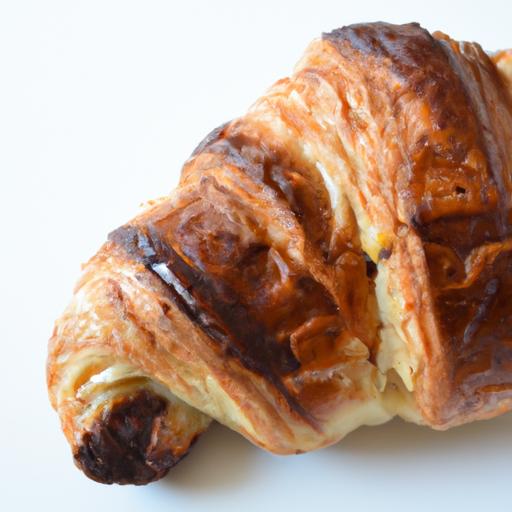

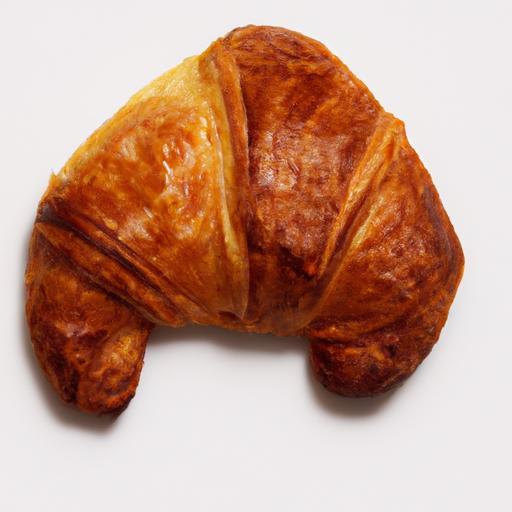
Flaky, buttery, and blissfully layered, the chocolate croissant is much more than a simple pastry-it is a delicious emblem of culinary artistry and cultural history. From its golden, crisp exterior to the molten ribbons of dark chocolate nestled within, this iconic treat tells a story that stretches back centuries, weaving together tales of innovation, tradition, and indulgence. Join us as we unwrap the delightful art and fascinating history behind the chocolate croissant, exploring how this beloved pastry rose from humble origins to become a cherished symbol of gourmet delight enjoyed around the world.
The Delightful Art and history of the Chocolate Croissant is a journey that combines rich culinary tradition with meticulous technique. This beloved pastry, known for its crisp, flaky exterior and luscious chocolate center, has captured hearts worldwide.Tracing back to its roots in Viennese kipferl and evolving into the iconic French chocolatine, the chocolate croissant is an emblem of buttery indulgence and expert craftsmanship. This recipe will guide you through every step, from mastering the delicate folding of dough to choosing premium chocolate, ensuring your homemade creation is irresistibly flavorful and perfectly textured.
Prep and Cook Time
- Preparation Time: 4 hours (including resting and proofing)
- Active Cooking Time: 20 minutes
- Total Time: Approximately 4 hours 20 minutes
Yield
8 chocolate croissants (serving size: 1 croissant)
Difficulty Level
Advanced: Requires patience and precision with laminated dough techniques
Ingredients
- 3 ½ cups (440g) all-purpose flour, sifted
- ¼ cup (50g) granulated sugar
- 2 tsp active dry yeast
- 1 tsp fine sea salt
- 1 cup (240ml) whole milk, warm (about 100°F/38°C)
- 2 tbsp unsalted butter, melted
- 1 ½ cups (340g) unsalted cold butter (for lamination), chilled and flattened
- 8 oz (225g) high-quality dark chocolate batons or chunks (minimum 60% cacao)
- 1 egg, beaten (for egg wash)
Instructions
- Activate the yeast: In a small bowl, combine the warm milk, sugar, and active dry yeast. Stir gently and let sit for 5-10 minutes until frothy.
- Prepare the dough: In a large mixing bowl, whisk together the sifted flour and salt. Gradually add the yeast mixture and melted butter, mixing until a rough dough forms. Knead for 8-10 minutes until smooth and elastic. Cover with plastic wrap and refrigerate for 30 minutes.
- Shape the butter block: Place the cold butter sheets between two sheets of parchment paper. Using a rolling pin, gently pound and roll into a 7×7-inch square. Keep chilled but pliable.
- Laminate the dough: Roll the dough into a 10×20-inch rectangle on a floured surface. Place the butter block in the center and fold the dough edges over to encase the butter wholly. perform a letter fold (fold one third of dough over the center, then fold the opposite third on top). Chill for 30 minutes.
- Repeat folding: Roll the dough out again to a 10×20-inch rectangle and perform a second letter fold. Chill for 30 minutes. Repeat once more for a total of three folds to create flaky layers.
- Shape the croissants: Roll the laminated dough into a large ¼-inch thick rectangle.Cut into 8 equal rectangles. Place a piece of dark chocolate at the edge of each, then roll tightly toward the opposite end, sealing the edge underneath.
- Proof the croissants: Place the shaped croissants on a baking tray lined with parchment paper. Cover loosely with a damp towel or plastic wrap and let proof at room temperature for 1.5 to 2 hours until doubled in size.
- apply egg wash: Preheat your oven to 400°F (200°C). Brush each croissant gently with the beaten egg to achieve a golden, glossy finish.
- Bake: Bake for 15-20 minutes until puffed, golden-brown, and irresistibly flaky. Rotate the tray halfway through baking for even cooking.
- Cool and serve: Allow the croissants to cool on a wire rack for 10 minutes before serving to preserve the crunchy layers and molten chocolate core.
Tips for Success: Expert Techniques for Perfect Chocolate Croissants
- Maintain cold ingredients: Keeping your butter and dough cold throughout lamination ensures distinct flaky layers.
- Rotate the dough: Roll evenly and avoid pressing too hard to prevent butter breakout or uneven layers.
- Select premium chocolate: Use high-cacao dark chocolate or couverture for a rich, smooth filling that melts beautifully.
- Proof in a warm, draft-free spot: consistent temperature encourages gentle rising without over-proofing.
- Make ahead: Shape the croissants and freeze them before proofing. Bake frozen croissants by adding extra baking time.
- Troubleshooting: If layers blur, the butter may have softened; chill longer next time. If dough is tough, shorten kneading slightly to retain tenderness.
Serving Suggestions
Present these croissants warm alongside freshly brewed coffee or a velvety hot chocolate. For an enticing garnish, dust with powdered sugar or drizzle with a thin stream of dark chocolate ganache.Pair with fresh berries or a dollop of crème fraîche to complement the buttery richness. Enjoy each bite as a sensory party of flaky texture and bittersweet chocolate bliss.

| Nutritional Info (per croissant) | Amount |
|---|---|
| Calories | 370 kcal |
| Protein | 6 g |
| Carbohydrates | 34 g |
| Fat | 22 g |
For more on tea and pastry pairings, check out our Elegant Tea Pairings with Classic Pastries. To explore the history of croissants from a renowned source, visit Britannica’s Croissant History.
Q&A
Q&A: The Delightful Art and History of the Chocolate Croissant
Q1: What exactly is a chocolate croissant?
A chocolate croissant, or pain au chocolat as it’s famously known in France, is a flaky, buttery pastry that envelopes rich, dark chocolate within its golden, layered folds. It’s essentially a croissant’s sweeter,more indulgent sibling-marrying the delicate crunch of exquisite puff pastry with the decadence of velvety chocolate.
Q2: Where did the chocolate croissant originate?
While croissants hail from Austria and were popularized in France, the chocolate croissant as we know it today is a distinctly French creation. Originating in Parisian bakeries during the 19th century, pain au chocolat has become a quintessential morning treat in France and beyond. Its roots reflect the French mastery of viennoiserie, turning simple dough into an artisanal delight.
Q3: How is the chocolate croissant made?
Crafting a chocolate croissant is an art form. It starts with laminated dough-layers of butter folded meticulously into dough, creating those signature flaky layers after baking. The secret lies in the dough’s texture: light yet crisp. Before baking, slender bars of rich dark chocolate are placed inside, then enveloped in the dough and carefully rolled or folded. The pastry bakes to a perfect golden brown, with chocolate melting into a luscious ribbon inside.
Q4: Why is it often called pain au chocolat in France but chocolate croissant elsewhere?
In France, pain au chocolat literally means “chocolate bread,” and it’s a distinct pastry from the crescent-shaped croissant. Outside France, many people call it a chocolate croissant because of the similar dough and shape, though traditional pain au chocolat is rectangular, not crescent-shaped. this little cultural nuance highlights how baked goods can adapt and evolve in naming as they travel the world.
Q5: What makes the chocolate croissant so beloved worldwide?
The chocolate croissant’s universal allure lies in its perfect balance: the buttery, flaky texture contrasts a bittersweet chocolate core, satisfying both texture and flavor seekers. It’s a breakfast favourite that pairs wonderfully with morning coffee or tea, offering a little moment of indulgence and sophistication. Plus,it carries the romantic aura of French cafés and Parisian mornings-who can resist that?
Q6: Are there variations of chocolate croissants?
Absolutely! Beyond the classic dark chocolate center,bakeries today experiment with fillings like hazelnut cream,caramel,or even white chocolate.Some versions incorporate nuts or a dusting of powdered sugar or chocolate glaze on top. Each variation adds a creative twist while honoring the core elements of flakiness and richness.
Q7: can chocolate croissants be made at home?
Yes, though making them from scratch is a rewarding challenge.Laminated dough requires patience and precision to layer butter and dough ideally. though, with time, practise, and quality ingredients, home bakers can create chocolate croissants that rival those from artisanal boulangeries. For shortcuts, some opt to use store-bought puff pastry-but nothing quite matches the homemade flaky magic.
Whether enjoyed in a bustling Paris café or your own kitchen, the chocolate croissant is more than a pastry-it’s a delicious piece of culinary history, inviting us to savor moments of art, culture, and pure chocolate bliss.
The Conclusion
As the last flaky layer of a chocolate croissant melts on your tongue, your not just savoring a simple pastry-you’re partaking in centuries of culinary artistry and rich history. From humble beginnings in the cafes of Vienna to the bustling boulangeries of Paris, the chocolate croissant has become a symbol of indulgence and craftsmanship worldwide. Its delicate dance of buttery dough and silky chocolate invites us to pause, reflect, and appreciate the delightful fusion of tradition and innovation baked into every bite. So next time you unwrap this golden treasure, remember: you’re tasting more than just a treat-you’re experiencing a delicious story that continues to unfold with each flaky, chocolate-kissed layer.