
There’s a magical paradox in every bite of fried ice cream-a sizzling, crackling crust that gives way to a luscious, icy core. This beloved dessert tantalizes our senses by blending contrasting textures and temperatures, inviting us to explore a culinary harmony where hot meets cold and crunch meets creaminess.But what exactly happens behind the scenes that transforms humble ingredients into this crispy delight? In this article, we dive into the interesting science and irresistible taste of fried ice cream, unraveling the techniques and secrets that make this indulgent treat a sensory masterpiece. Join us as we uncover how heat and cold dance together to create a dessert that’s as intriguing to the palate as it is to the mind.
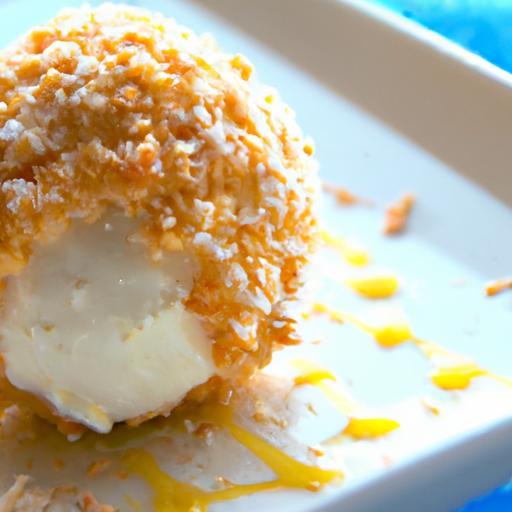
Crispy Delight: The Science and Taste of Fried Ice Cream begins with mastering the intricate balance of contrasting textures – a golden, crunchy coating hugging a luxuriously creamy center. This iconic dessert offers an indulgent experience, combining hot and cold sensations, and inviting your palate on a playful journey through science and flavor. Inspired by customary Mexican street fare and perfected through modern culinary techniques, crafting the perfect fried ice cream is both an art and a delightful challenge.
Prep and Cook Time
-
- Planning: 20 minutes
- Freezing time (ice cream): Minimum 4 hours
- Cooking: 3-4 minutes per batch
Yield
-
-
-
- Makes about 6 servings
-
-
Difficulty Level
-
-
-
- Medium – ideal for adventurous home cooks
-
-
Ingredients
-
-
-
- 1 pint premium vanilla ice cream (firmly frozen)
- 1 cup cornflakes, crushed finely for maximum crunch
- ½ cup panko breadcrumbs, for light crispiness
- ¼ cup toasted shredded coconut (optional but highly recommended for flavor depth)
- 1 tsp ground cinnamon
- 2 large eggs
- 2 tbsp whole milk
- Vegetable oil or peanut oil, for deep frying (enough to submerge scoops)
- Powdered sugar or cinnamon sugar, for dusting
- Honey or rich caramel sauce, for drizzling
- Fresh mint leaves and sliced strawberries (for garnishing)
-
-
Instructions
-
-
-
- Shape the ice cream balls: Using a large ice cream scoop or an ice cream scooper, portion out 6 even balls. Place them on a parchment-lined baking sheet and freeze for at least 2 hours to ensure thay are rock solid.
- Prepare the crispy coating: In a shallow bowl,combine crushed cornflakes,panko breadcrumbs,shredded coconut,and ground cinnamon. Stir until evenly mixed for a flavorful, golden crust.
- whisk the egg wash: In another bowl, beat together the eggs and milk thoroughly. This sticky layer binds the crunchy mixture to the ice cream.
- Coat the ice cream balls: Quickly dip each frozen ball first into the egg wash, ensuring an even coating. Then roll it thoroughly in the crunchy mixture. For an extra thick crust,repeat the dipping and rolling process once more.
- Freeze again: Place the coated ice cream balls back on the sheet and freeze for at least 2 more hours.This step is critical to avoid melting during frying and to keep the creamy center intact.
- heat the oil: In a deep pot or fryer,heat about 3 inches of oil to 375°F (190°C). Use a thermometer for precise control; too low a temperature will cause soggy coating,too high will burn the crust.
- Fry with care: Using a slotted spoon, carefully lower the ice cream balls into the hot oil one or two at a time. Fry for only 20-30 seconds, flipping gently until the coating is golden and crisp. Remove promptly and drain on paper towels.
- Serve with flair: Dust with powdered sugar or cinnamon sugar, drizzle warm honey or caramel sauce, and garnish with fresh mint and strawberries for a stunning presentation.
-
-
Chef’s Notes: Tips for Success
-
-
-
- Freeze thoroughly: The key to the perfect fried ice cream is freezing the coated balls well. Use the coldest freezer compartment or even flash freeze in a blast chiller if possible.
- Crunchy coating alternatives: Substitute crushed Rice Krispies or finely chopped nuts for different textures. Experimenting with spices like cayenne or nutmeg adds exciting warmth.
- Oil choice matters: Peanut oil is ideal due to it’s high smoke point and neutral flavor, but vegetable or canola oil also work well.
- Frying temperature is critical: investing in a reliable thermometer ensures the coating crisps up instantly, sealing in the ice cream’s creamy center.
- Make ahead: Prepare ice cream balls and freeze coated scoops up to 24 hours in advance, covered tightly with plastic wrap and stored in an airtight container.
-
-
Serving Suggestions
For an eye-catching dessert plate, serve fried ice cream scoops atop warm churro crumbles or a bed of spiced dulce de leche. Complement with a drizzle of rich chocolate sauce or tangy raspberry coulis to add vibrant color and balance sweetness. A sprinkle of toasted coconut flakes or a light dusting of edible gold glitter elevates this treat from classic comfort to gourmet indulgence.
| Nutritional Fact | Per Serving |
|---|---|
| Calories | 350 kcal |
| Protein | 4 g |
| carbohydrates | 38 g |
| Fat | 20 g |

Discover more about the perfect balance of heat and texture in desserts by exploring our guide to perfectly fried desserts. for a deep dive into food science behind frying, Serious Eats explains the science of frying.
Q&A
Q&A: Crispy Delight – The Science and Taste of Fried Ice Cream
Q1: What exactly is fried ice cream?
A1: Fried ice cream is a delicious paradox-a scoop of ice-cold ice cream enveloped in a crunchy, warm shell.Typically, the ice cream is coated with a crispy layer, briefly deep-fried, and served immediately, creating a dramatic contrast of temperatures and textures that mesmerizes the palate.Q2: How does the ice cream stay frozen inside during frying?
A2: The magic lies in preparation and timing. The ice cream is first scooped and thoroughly frozen-sometimes even flash-frozen at ultra-cold temperatures.It’s then coated with insulating layers such as crushed cereal, nuts, or breadcrumbs that act as a heat barrier. The frying is done quickly at high heat (usually around 375°F), just long enough to crisp the exterior without melting the core.
Q3: What scientific principles are at play when frying ice cream?
A3: The process involves thermodynamics and heat transfer. The cold ice cream has a very low temperature and high thermal mass, so it takes time for the heat to penetrate. Simultaneously occurring, the hot oil rapidly cooks the thin, dry outer coating, causing Maillard reactions that develop a golden crispy crust. The short frying time and insulating layer limit heat transfer,preserving the ice cream’s internal solid state.
Q4: Why is the texture contrast so appealing?
A4: Our senses revel in surprises. The crispy shell offers an initial crunch-warm,toasty,and fragrant-immediately followed by the smooth,creamy,and cold sensation of the ice cream inside. This interplay heightens flavor perception and creates an engaging eating experience that’s both comforting and novel.
Q5: Are there variations of fried ice cream around the world?
A5: Absolutely! Fried ice cream can be found in diverse cultures,each adding local twists. In Mexico, it’s frequently enough coated with cinnamon and crushed cornflakes; in Japan, tempura batter might potentially be used; some fusion recipes incorporate coconut flakes or panko breadcrumbs. Each variation dances with different textures and flavor profiles.
Q6: Can I make fried ice cream at home?
A6: Yes, but it requires preparation and precision. Freeze your scoops solid, prepare your crumb coating, and have hot oil ready. Fry only for about 10-15 seconds to achieve a golden crust while keeping the ice cream intact. Alternatively, use an air fryer for a slightly gentler approach. Timing and temperature are key!
Q7: What flavors of ice cream work best for frying?
A7: Classic vanilla is a popular choice because its mild flavor pairs wonderfully with a crunchy exterior and various toppings like chocolate sauce or caramel. Though, rich and bold flavors-like chocolate, coffee, or fruity sorbets-also shine when encased in a crispy shell, creating exciting flavor juxtapositions.
Q8: what makes fried ice cream more than just a novelty dessert?
A8: Beyond its theatrical presentation, fried ice cream embodies a brilliant fusion of culinary technique and sensory delight. It’s a testament to how manipulating temperature and texture can elevate simple ingredients into a multi-dimensional experience that transcends expectations-a true “crispy delight.”
Future Outlook
As the last bite of fried ice cream melts away, we’re reminded that this crispy delight is more than just a dessert-it’s a harmonious dance of contrasting textures and temperatures, brought to life by the fascinating science of freezing, frying, and flavor. From the careful choreography that keeps the ice cream frozen within a golden shell,to the symphony of tastes that delight our palate,fried ice cream exemplifies the magic that happens when culinary creativity meets scientific precision. So next time you savor that warm, crunchy exterior giving way to cold, creamy bliss, take a moment to appreciate the intricate science behind each irresistible bite.After all, in the world of desserts, fried ice cream stands as a delicious testament to how innovation can transform simple ingredients into a transcendent experience.