
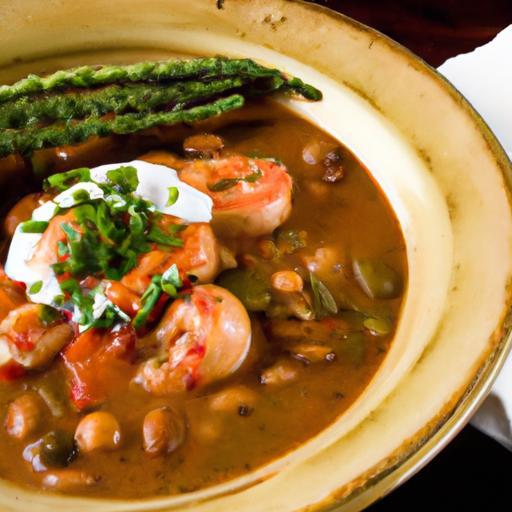
ther’s a certain magic simmering in the pot whenever a classic seafood gumbo is on the menu-a rich tapestry of flavors that tells a story of heritage, community, and the bountiful treasures of the sea. Dive into flavor,and you’ll uncover the artful balance of spices,the depths of a dark roux,and the soulful blend of shrimp,crab,and oysters that make this louisiana staple a beloved culinary masterpiece. In this article,we’ll explore the origins,essential ingredients,and time-honored techniques behind classic seafood gumbo recipes,inviting you to create your own bowl of coastal comfort that’s as vibrant and inspiring as the Gulf itself.
Dive Into Flavor: crafting a classic seafood gumbo is an art form steeped in rich Louisiana tradition and culinary mastery. The magic lies in its signature ingredients, from the deeply browned roux that builds the dish’s foundation to the fresh seafood and the holy trinity of vegetables that create an orchestra of vibrant, authentic flavors. Each element plays a crucial role in delivering that unmistakable, soulful depth that keeps gumbo lovers coming back for more.
Prep and Cook Time
- Prep Time: 30 minutes
- Cook Time: 1 hour 15 minutes
- Total Time: 1 hour 45 minutes
Yield
Serves 6 generous bowls
Difficulty Level
Medium – ideal for cooks ready to delve into rich, multi-step preparations with rewarding results
Ingredients
- 1 cup all-purpose flour, sifted
- 1 cup vegetable oil
- 1 large onion, finely chopped
- 1 green bell pepper, diced
- 2 celery stalks, chopped
- 4 garlic cloves, minced
- 6 cups seafood stock (or low-sodium chicken broth)
- 1 (14 oz.) can diced tomatoes, drained
- 1 teaspoon smoked paprika
- 1 teaspoon dried thyme
- 1/2 teaspoon cayenne pepper (adjust for spice preference)
- 2 bay leaves
- 1 pound raw shrimp, peeled and deveined
- 1/2 pound crab meat, fresh or lump
- 1/2 pound andouille sausage, sliced thickly
- 3 green onions, sliced thinly
- 1/4 cup fresh parsley, chopped
- Salt and black pepper, to taste
- Cooked white rice, for serving
Instructions
- Make the roux: In a heavy-bottomed pot over medium heat, whisk together the flour and vegetable oil. Stir constantly to prevent burning, cooking until the roux turns a deep caramel brown (about 20-25 minutes). This is the heartbone of authentic gumbo,so patience is key.
- Add aromatics: Stir in the onion,green bell pepper,celery,and garlic. Sauté until softened and fragrant, roughly 5-7 minutes.
- Incorporate spices and liquids: Pour in the seafood stock gradually, whisking to combine, then add the diced tomatoes, smoked paprika, thyme, cayenne pepper, and bay leaves.Bring to a simmer.
- Cook gumbo base: Reduce heat to low and let the gumbo simmer uncovered for about 45 minutes, stirring occasionally to develop rich flavors and the perfect consistency.
- Add proteins: Gently fold in the andouille sausage, shrimp, and crab meat. Cook for an additional 10 minutes until seafood is tender and cooked through.
- Finish with fresh herbs: Stir in the green onions and parsley. Season with salt and black pepper to taste.Remove bay leaves before serving.
- Serve: ladle gumbo over steaming bowls of freshly cooked white rice. Garnish with extra chopped parsley or sliced green onions for a vibrant finish.
Tips for Success
- Roux mastery: Stir constantly during the roux process to avoid scorching, and adjust heat as needed for even browning.
- Seafood selection: Use the freshest shrimp and crab you can find, or freeze-then-thaw frozen seafood to preserve tenderness.
- Spice customization: Tweak cayenne and smoked paprika to adjust the heat level to your liking.
- Make-ahead: Gumbo often tastes better the next day as flavors meld; reheat gently, adding broth if needed to loosen thickness.
- Vegetarian adaptation: Swap seafood stock with vegetable stock, omit meat, and add mushrooms and okra for texture.
Serving Suggestions and Pairings to Elevate Your Classic Gumbo Experience
the full gumbo experience is as much about presentation as flavor. Serve steaming hot gumbo ladled over bright white rice in deep, rustic bowls. Complement with crusty french bread or buttery cornbread to soak up the luscious broth. A side of crisp, tangy coleslaw or a simple green salad adds freshness that balances the hearty richness.
for beverages, pair with a chilled glass of dry white wine such as Sauvignon Blanc or a cold craft beer to cut through the spice. Finish the meal with classic Southern corn pudding or pecan pie for an authentic touch that lingers after every bite.
| Nutrient | Per Serving |
|---|---|
| Calories | 420 kcal |
| Protein | 32 g |
| Carbohydrates | 28 g |
| Fat | 16 g |

Explore more about deep southern flavors in our Cajun cooking basics guide and expand your culinary repertoire. For detailed seafood safety and freshness tips visit FDA’s Seafood Safety page.
Q&A
Q&A: Dive Into Flavor – The Art of Classic Seafood Gumbo Recipes
Q1: What makes seafood gumbo such a beloved dish in Southern cuisine?
A1: Seafood gumbo is a party of the Gulf Coast’s abundant waters, blending fresh shrimp, crab, oysters, and fish into a hearty, comforting stew. Its layers of bold flavors-rooted in French, African, and Native American traditions-create a robust dish that’s both soulful and satisfying. It’s more than just a meal; it’s a cultural tapestry simmered to perfection.
Q2: What are the key ingredients that define a classic seafood gumbo?
A2: At its core, classic seafood gumbo is built on a dark, nutty roux-the foundation of all great gumbo-paired with the “holy trinity” of Cajun cooking: onions, bell peppers, and celery. Add to this fragrant garlic, fresh tomatoes, and a blend of spices like cayenne and thyme. The star players are the fresh seafood: plump shrimp,tender crab meat,and briny oysters,swimming in a rich,flavorful stock.
Q3: How does the roux contribute to the gumbo’s flavor and texture?
A3: The roux is the unsung hero of gumbo. Made by slowly cooking flour and fat, usually oil or butter, it develops a deep, toasty flavor and thickens the stew to a luscious consistency. The darker the roux, the more intense the flavor-think of it as the caramelized backbone that holds all the ingredients together in savory harmony.
Q4: Can gumbo be made ahead of time? Does it improve or lose flavor?
A4: Absolutely! Gumbo frequently enough tastes even better the next day as the spices and seafood meld together, creating an even richer, more complex flavor profile.Just be sure to store it properly in an airtight container and reheat gently to preserve the texture of the seafood.
Q5: What are some common variations of seafood gumbo?
A5: While the classic recipe sticks to shrimp, crab, and oysters, variations abound. Some recipes add smoked sausage or chicken to create a more meat-forward gumbo. Others incorporate okra or filé powder (ground sassafras leaves) for thickening and earthy undertones. Each variation reflects a unique regional twist while honoring the gumbo’s soulful roots.
Q6: How do you achieve the perfect balance of spice in seafood gumbo?
A6: Balancing spice in gumbo is an art. Start with a modest amount of cayenne or hot sauce and build up gradually. The goal is to enhance-not overpower-the seafood’s delicate sweetness. Remember, you can always add more heat at the table, but capturing that harmonious warmth in the pot is what elevates the dish from good to unforgettable.Q7: what sides traditionally accompany a seafood gumbo feast?
A7: Gumbo is often served over fluffy white rice,which soaks up the rich sauce. Cornbread, French bread, or buttermilk biscuits are also popular, perfect for mopping up every last drop. For a classic Creole touch, a side of pickled vegetables or a crisp green salad adds a refreshing crunch.
Q8: Why is gumbo considered more than just a recipe in Louisiana culture?
A8: Gumbo embodies the spirit of community and resilience in Louisiana. It’s a dish born from diversity and shared history, simmered over generations in family kitchens and neighborhood gatherings. Each pot carries stories, memories, and a deep sense of belonging-making it a delicious symbol of cultural pride and togetherness.
Q9: Can seafood gumbo be adapted for dietary preferences, like gluten-free or vegetarian?
A9: yes! To make gluten-free gumbo, simply use a gluten-free flour blend for the roux or swap it out for a roux made with cornstarch or arrowroot powder.For a vegetarian twist, replace seafood with hearty mushrooms, okra, and smoked paprika to mimic those deep, smoky flavors. The key is layering spices and textures to preserve gumbo’s signature richness.
Q10: What’s the best advice for someone trying to make seafood gumbo at home for the first time?
A10: Embrace patience and experimentation. Mastering the roux is crucial-it takes time to get that perfect color without burning. use the freshest seafood you can find, and taste as you go. Don’t be afraid to adjust spices to your liking. With every simmer, you’re not just cooking-you’re crafting a pot of tradition and flavor that welcomes everyone to the table.
In retrospect
As the final spoonful of rich, savory gumbo warms your soul, you realize that this classic dish is more than just a meal-it’s a vibrant tapestry of history, culture, and culinary artistry. From the bubbling pots of Cajun kitchens to your own stove, seafood gumbo invites you to dive deep into layers of flavor and tradition. Whether you’re a seasoned cook or an adventurous beginner,mastering these timeless recipes opens the door to a world where every bite tells a story.So gather your ingredients, embrace the simmer, and let the magic of classic seafood gumbo transform your table into a celebration of taste and heritage.