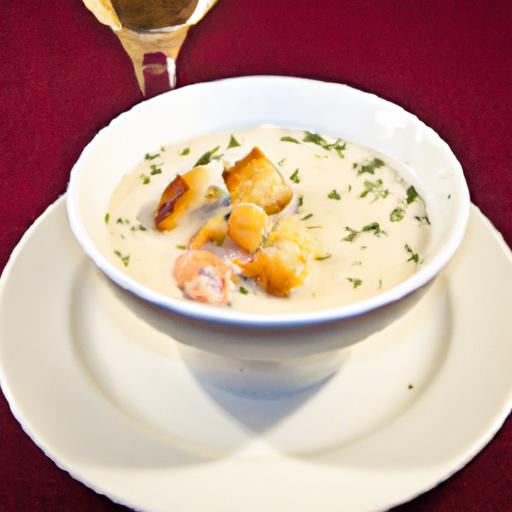

Beneath the comforting warmth of a steaming bowl of clam chowder lies a rich tapestry of history, flavor, and cultural tradition waiting to be uncovered. From its humble beginnings as a sailor’s staple to its evolution into beloved regional delicacies, clam chowder has captured the palates and hearts of seafood lovers across the globe. in this article, we dive deep into the origins of this iconic soup, explore time-honored recipes passed down through generations, and reveal the distinctive regional styles that make clam chowder a versatile and enduring culinary treasure. Whether you’re a seasoned chowder enthusiast or a curious newcomer, prepare to embark on a tasty journey through the story behind every creamy, briny spoonful.
Clam Chowder Uncovered invites you on a culinary journey through one of America’s moast beloved comfort foods. This creamy, briny, and perfectly savory soup has roots tracing back to colonial New England, where fresh Atlantic clams and simple ingredients first mingled to form a hearty meal for fishermen and coastal families. Over time, clam chowder evolved, influenced by regional tastes and available produce, blossoming into a rich tapestry of styles-from the thick and creamy New England version to the tomato-based Manhattan variant and the subtle herbaceous notes found in Rhode Island’s clear broth rendition.
Prep and Cook Time
- Planning: 20 minutes
- Cooking: 40 minutes
- Total Time: 1 hour
Yield
Serves 6 generous bowls
Difficulty Level
Medium – perfect for home cooks eager to master a classic with depth and authenticity
Ingredients
- 4 cups fresh clams (shucked, chopped, and juice reserved)
- 6 slices thick-cut bacon, diced
- 1 large onion, finely chopped
- 2 cloves garlic, minced
- 3 medium yukon Gold potatoes, peeled and diced into ½-inch cubes
- 2 cups clam juice (reserved from clams plus bottled if needed)
- 2 cups whole milk
- 1 cup heavy cream
- ¼ cup all-purpose flour
- 2 stalks celery, finely chopped
- 2 tbsp unsalted butter
- Salt and freshly ground black pepper, to taste
- Fresh thyme sprigs, optional for garnish
- Chopped fresh parsley for garnish
- Oyster crackers or crusty bread, for serving
Instructions
- Render bacon: In a large heavy-bottomed pot or Dutch oven over medium heat, cook the diced bacon until crisp but not overly brown, about 6-8 minutes. Use a slotted spoon to remove bacon,setting aside. Leave bacon fat in the pot.
- Sauté aromatics: Add butter to the bacon fat and melt. Stir in the chopped onion, celery, and garlic. Sauté until the vegetables are softened and golden, about 5 minutes, stirring frequently to avoid burning.
- Make the base: Sprinkle the flour evenly over the veggies and stir for 2 minutes to cook the raw taste out. Slowly whisk in the reserved clam juice and milk to prevent lumps, stirring constantly until the mixture begins to thicken.
- Simmer potatoes: Add diced potatoes to the pot. Bring to a gentle simmer, cover, and cook until potatoes are fork-tender, approximately 15 minutes.
- Combine clams: Stir in the chopped clams, cooked bacon, and heavy cream.heat through on low for 5 minutes, being careful not to boil which can toughen the clams.
- Season: Taste and adjust salt and pepper. For an optional fresh herb note, add a few thyme leaves during the last few minutes of cooking.
- Serve hot: Ladle the chowder into warm bowls. Garnish with fresh parsley and a sprinkle of cracked black pepper. Pair with oyster crackers or thick slices of toasted bread.
Tips for Success
- Choosing clams: Fresh littlenecks or cherrystones yield tender, flavorful bites. If unavailable, quality bottled clam juice can be supplemented but should never fully replace fresh broth.
- Bacon balance: Don’t overcook the bacon to the point of bitterness; the fat should be rich and flavorful but mild.
- Thickening magic: The flour acts as a roux here-make sure to toast it lightly to avoid a raw flavor and whisk well when adding liquids.
- Make-ahead: Chowder thickens upon standing-thin with extra milk or clam juice when reheating on the stovetop to restore the perfect consistency.
- Flavor boosters: A splash of white wine or a pinch of smoked paprika can elevate complexity, though keep it subtle to respect the tradition.
Serving suggestions
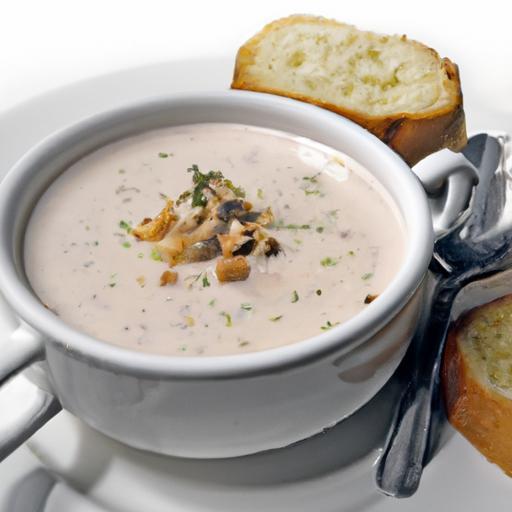
For a timeless presentation, serve this clam chowder in classic white soup bowls or rustic earthenware. Accompany with a pat of unsalted butter on toasted sourdough, or place oyster crackers on the side to season by bite. A sprig of thyme or a few chopped scallions adds fresh colour contrast that invites a final flourish. Pair yoru bowl with a crisp apple cider or a lightly chilled Sauvignon Blanc to complement the briny richness of the soup.

| Nutritional Info (per serving) | Calories | Protein | carbs | Fat |
|---|---|---|---|---|
| classic New England Clam Chowder | 325 | 18g | 25g | 15g |
To deepen your culinary exploration of coastal American cuisine, check out our related post on seafood pot pies. For an authoritative historical perspective on clam chowder’s origins and its cultural importance, visit the History Channel’s food page.
Q&A
Q&A: Clam Chowder Uncovered: History, Recipes, and Regional Styles
Q1: What is clam chowder, and why is it so beloved?
A: Clam chowder is a hearty, comforting soup traditionally made with clams, potatoes, onions, and cream or broth. It’s beloved for its rich flavors and satisfying texture, evoking coastal New England charm and the spirit of seafood shacks by the sea. Whether served in a bread bowl or a classic bowl, clam chowder warms the soul and satisfies hunger like no other dish.
Q2: Where did clam chowder originate?
A: Clam chowder’s roots trace back to the northeastern United States, particularly New England, in the 18th century. Early settlers adapted Native American seafood stews, combining clams with easily accessible ingredients like salted pork, potatoes, and onions. Over time, this evolved into the creamy and savory chowder known today.
Q3: What are the main regional styles of clam chowder?
A: The two most famous styles are new England and Manhattan clam chowders.
- New England Clam Chowder: Creamy, thick, and white, made with milk or cream, potatoes, clams, onions, and sometimes salt pork or bacon. It’s rich and velvety.
- Manhattan Clam Chowder: Tomato-based, lighter, and vibrant, infused with vegetables like celery, carrots, and herbs.it has a tangy, luminous flavor profile, reflecting the diverse culinary influences of New York.
Q4: Are there other lesser-known clam chowder variants?
A: Yes! Rhode Island clam chowder is clear-broth based, showcasing the briny clam flavor without cream or tomatoes. Maryland-style occasionally incorporates Old Bay seasoning or even oysters, creating a spiced twist. Each region’s coastal identity shapes how clam chowder is crafted and enjoyed.
Q5: What are essential ingredients for making a classic New England clam chowder?
A: For authentic New England clam chowder, you’ll need fresh or canned clams, clam juice or broth, diced potatoes, onions, salt pork or bacon (for smokiness), heavy cream or milk, butter, and seasoning like thyme and black pepper. Freshness and balance between creamy and briny flavors are key.
Q6: How can someone make a simple clam chowder at home?
A: Start by rendering bacon in a pot, sauté onions and celery in the rendered fat, add diced potatoes and clam juice, simmer until tender, stir in chopped clams and cream, then season to taste. Serve with oyster crackers or crusty bread for dipping-a fast taste of seaside bliss.
Q7: What’s the secret to the perfect clam chowder texture?
A: The magic lies in cooking potatoes until tender but not mushy and stirring the cream in slowly to avoid curdling. Some cooks lightly mash a few potato chunks to thicken the chowder naturally. Also, don’t overcook clams-they become rubbery if boiled too long!
Q8: Can clam chowder be made vegetarian or vegan?
A: Absolutely! Swap clams for hearty mushrooms or seaweed to mimic umami and brininess. use vegetable broth instead of clam juice, and opt for coconut milk or cashew cream instead of dairy. This creates a flavorful plant-based chowder with the same cozy vibe.Q9: What cultural significance does clam chowder hold?
A: Clam chowder is more than soup-it’s a symbol of coastal heritage, community gatherings, and culinary tradition. From fishermen’s breakfasts to festive clam bakes, it represents the connection between people and the sea, celebrating local ingredients and history.
Q10: How has clam chowder evolved in modern cuisine?
A: Today’s chefs are reinventing clam chowder with global twists-adding spices like curry, using smoked clams, or serving it as a deconstructed appetizer. Despite creative spins,the chowder’s essence-comfort,tradition,and a nod to the ocean’s bounty-remains a culinary constant.
Dive into a bowl of clam chowder and taste centuries of history, regional pride, and homey goodness all simmered to perfection. Whether creamy or tomato-tinted, clam chowder continues to be a beloved classic with flavors as rich as its story.
Wrapping Up
From the rugged coasts of New England to the sun-kissed shores of the Pacific Northwest, clam chowder has simmered its way into the hearts and kitchens of many, each bowl telling a story steeped in history, tradition, and local flair. Whether you prefer the creamy richness of a classic New England chowder or the tangy punch of Manhattan’s tomato-based version, this humble soup remains a delicious testament to America’s culinary tapestry. As you explore the countless recipes and regional twists, may your taste buds embark on a flavorful voyage that honors the past while inspiring new creations. So,next time you ladle up a warm bowl of clam chowder,remember-you’re savoring centuries of coastal culture,one spoonful at a time.