
There’s something profoundly comforting and exhilarating about a bowl of hot and spicy soup-a harmonious blend of heat and flavor that awakens the senses and warms the soul. from the bustling streets of Southeast Asia to the cozy kitchens of Latin America, fiery soups have long held a revered place in culinary traditions around the world.But beyond their bold taste lies an intricate art: balancing spice with depth, layering ingredients to create complexity, and crafting a broth that’s as nourishing as it is invigorating. In this exploration of “Fiery Flavors: The Art of hot & Spicy soup,” we’ll delve into the rich history, cultural meaning, and masterful techniques that transform simple ingredients into a soul-stirring experience. Prepare to embark on a sensory journey where heat meets harmony, and every spoonful tells a story.
Fiery flavors captivate the senses, weaving together heat, aroma, and tradition into a bowl of irresistible, soul-warming soup. Delving deep into the heart of spice, understanding the role of capsaicin-the compound responsible for that tingling, fiery sensation-is essential to mastering bold, balanced hot & spicy soup recipes. This compound binds to our nerve receptors, creating an intense but thrilling sensory experience that varies depending on the chili’s variety and preparation.
The Science Behind Heat: Unlocking the Power of Capsaicin in Fiery Flavors
Capsaicin’s heat is measured using the Scoville scale, and knowing this scale empowers cooks to tailor spice levels thoughtfully.From the mild warmth of poblanos to the blazing punch of Carolina reapers,the range of peppers used in fiery flavors can transform soup from gently piquant to scorchingly bold. Heat is best introduced gradually-layering diffrent pepper types or seeds and skins can build complexity without overwhelming the palate.
Global Inspirations Unveiling Fiery Soups from Around the World
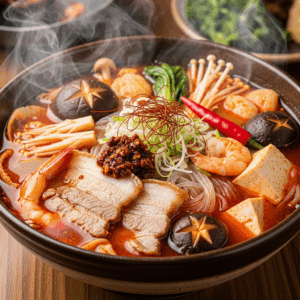
Across continents, diverse cultures have perfected their own expressions of spicy soups, harnessing local ingredients and culinary philosophies. The fiery Korean Kimchi Jjigae features fermented chili paste, delivering a deep umami-spice synergy, while Thailand’s Tom yum balances sour lime, fragrant lemongrass, and fiery bird’s eye chilies for a vibrant, multi-dimensional broth. Mexican Caldo Tlalpeño combines chipotle’s smoky heat with fresh vegetables, showcasing how heat partners beautifully with herbs and acidity in fiery flavors.
Balancing Boldness: Mastering Flavor Layers in Spicy Soup Recipes
Achieving harmony in fiery soups comes from balancing heat with elements like sweetness,acidity,salt,and fat. A touch of honey or palm sugar can smooth the edges of the hottest chilies, while lime juice or vinegar adds freshness that wakes the palate.Coconut milk or creamy additions can mellow heat,creating a luscious texture that complements fiery flavors. Aromatics like garlic, ginger, and fresh herbs contribute complexity, ensuring the spice feels integrated rather than one-dimensional.
Tips and Tricks: Crafting the Perfect Fiery Soup at Home
Start by testing your chilies-roasting or toasting peppers enhances their flavor profile and softens raw sharpness. Control heat with seeds or dried flakes eliminated or included depending on your tolerance. Use layered cooking: sauté spices first to release oils, then simmer for depth. Taste throughout, adjusting seasoning and heat after simmering. finishing fresh herbs or a drizzle of acid elevates the final bowl, bringing balance and vibrancy to fiery flavors.
Prep and Cook time
- Prep Time: 20 minutes
- Cook Time: 35 minutes
- Total Time: 55 minutes
Yield
Serves 4 generous bowls
Difficulty Level
Medium – accessible for confident home cooks eager to explore layered spice
Ingredients
- 2 tablespoons vegetable oil
- 1 medium onion, finely chopped
- 4 cloves garlic, minced
- 1-inch piece fresh ginger, grated
- 2 fresh red chilies, deseeded and finely chopped (adjust to taste)
- 1 teaspoon smoked paprika
- 1 teaspoon ground cumin
- 4 cups chicken or vegetable broth
- 1 (14 oz) can diced tomatoes
- 1 cup coconut milk
- 1 medium sweet potato, peeled and cubed
- 1 red bell pepper, diced
- 1 tablespoon fish sauce (optional for umami depth)
- Juice of 1 lime
- Salt and freshly ground black pepper, to taste
- Fresh cilantro, chopped for garnish
- Thinly sliced scallions for finishing
Instructions
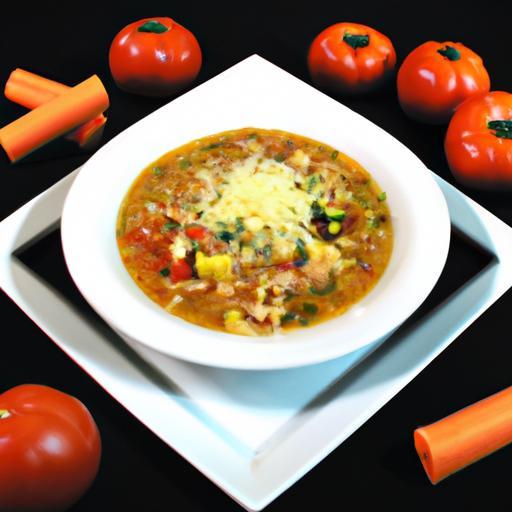
- Heat the vegetable oil in a large pot over medium heat. Add the onion and sauté until translucent, about 5 minutes, stirring occasionally to avoid browning.
- add garlic, ginger, and fresh red chilies. Sauté for 2-3 minutes until fragrant, letting the chilies release their heat slowly into the oil.
- Stir in smoked paprika and ground cumin. Cook for 1 minute to toast the spices, elevating their flavors.
- Pour in the broth and canned diced tomatoes. Bring to a gentle boil, scraping any browned bits from the pot’s bottom for extra flavor.
- Add sweet potato cubes and diced red bell pepper. Reduce heat, cover, and simmer for 20 minutes, or until the sweet potatoes are tender.
- Stir in the coconut milk and fish sauce (if using). Adjust heat to low and simmer for an additional 5 minutes-this softens the spice and adds richness.
- Remove the pot from heat and add lime juice. Taste and season with salt and pepper, adding more fresh chili or smoked paprika for intensified heat, if desired.
- Ladle the soup into bowls and garnish with fresh cilantro and thinly sliced scallions, providing a refreshing contrast and visual pop.
chef’s Notes
- Chili Variations: Substitute fresh red chilies with dried chipotle or ancho powder for smoky warmth or use bird’s eye chilies for sharper heat.
- Make Ahead: This soup tastes even better the next day-store leftovers in an airtight container in the fridge for up to 3 days.
- Dairy Alternatives: Coconut milk is ideal here for creamy heat, but unsweetened almond or cashew milk can work for a lighter version.
- Heat Control: Remove seeds from chilies before cooking for milder soup; include them if you crave greater intensity.
Serving Suggestions
For a satisfying meal, serve your fiery soup alongside crusty artisan bread or jasmine rice to soak up every drop of the bold broth.Garnish with a dollop of cooling yogurt or sour cream if you need to temper the spice. Fresh lime wedges on the side enable guests to add brightness to taste, while a sprinkle of toasted sesame seeds or crushed peanuts adds delightful texture.
| Nutrient | Per Serving |
|---|---|
| Calories | 280 kcal |
| Protein | 6 g |
| Carbohydrates | 32 g |
| Fat | 12 g |
Internal Link: Discover more about balancing bold spices to elevate your home cooking. External Link: For deeper insight into capsaicin and the science of heat, visit this research article on Capsaicin from the National institutes of Health.

Q&A
Q&A: Fiery Flavors – Exploring the Art of Hot & Spicy Soup
Q1: What makes a soup truly “hot and spicy”?
A1: The signature heat in hot and spicy soups comes from a careful balance of chili peppers, spices, and often pungent aromatics like garlic and ginger.It’s not just about adding heat-it’s about layering flavors so that the spice complements and enhances the other ingredients rather than overpowering them. The best hot and spicy soups engage your palate with warmth, depth, and a lingering kick that teases your senses.
Q2: How do different cultures approach spicy soups?
A2: Spicy soups are a global phenomenon! Think of Thailand’s Tom Yum, where fresh lemongrass meets fiery bird’s eye chilies; or Mexico’s Caldo de Pollo with chipotle and cayenne infusing smoky heat. Korean Kimchi Jjigae uses fermented chili paste for a tangy punch, while India’s spicy rasam combines black pepper and red chilies with tamarind for a complex, warming broth. Each culture uses its local spices and chilies to create a unique heat profile, blending tradition and taste.
Q3: Can anyone enjoy spicy soups, or should they be avoided if you’re sensitive to heat?
A3: Spicy soups can be tailored to your heat tolerance! Many recipes allow you to adjust the amount and type of chili used. for those sensitive to heat, milder peppers or even paprika can add warmth without overwhelming spice. Also, the inclusion of cooling elements like coconut milk or yogurt can balance out the heat. Hot and spicy soup is an adventure of flavor, and there’s a version for nearly every palate.
Q4: What are some essential ingredients to master the art of hot and spicy soup?
A4: to craft a fiery bowl, you’ll want to stock up on fresh chilies (like Thai bird’s eye, jalapeños, or habaneros), dried chili flakes or powders, aromatic garlic and ginger, and a good acidic component such as lime juice or vinegar to brighten the broth. Bold herbs like cilantro or thai basil provide freshness, while ingredients like fish sauce, soy sauce, or fermented pastes add umami depth. Together, these ingredients create that signature complex heat.
Q5: How does heat influence the texture and experience of soup?
A5: Heat not only warms the palate but also enhances perception of texture. The tingling heat can make creamy broths feel richer, and clear broths seem brighter. Spices stimulate saliva production,making each spoonful feel more vibrant. Plus, the gradual build-up of heat keeps your taste buds engaged bite after bite, turning a simple soup into an immersive sensory experience.Q6: Are there any health benefits to eating hot and spicy soups?
A6: Absolutely! Chilies contain capsaicin, a compound known to boost metabolism, promote circulation, and even release endorphins-our body’s natural feel-good chemicals. The warming spices can aid digestion and help clear nasal passages, making spicy soup a comforting contender when battling colds. Plus, soups packed with fresh vegetables and lean proteins provide nourishing sustenance alongside their fiery flair.
Q7: What tips can help beginners start making their own hot and spicy soups at home?
A7: Start small-add a little chili and taste as you go. Use fresh aromatics like garlic and ginger to build layers of flavor before turning up the heat. experiment with spices typical to your favorite cuisine-cumin, coriander, or even smoked paprika can add nuance. Remember, balancing spicy heat with acidity, sweetness, and salt is key. And don’t forget the garnishes: a squeeze of lime, fresh herbs, or a dollop of yogurt can elevate your bowl from fiery to phenomenal.
Q8: Can hot and spicy soups be vegetarian or vegan?
A8: Definitely! Many spicy soup recipes adapt beautifully to plant-based diets. Such as, a hot and sour soup can be loaded with mushrooms, tofu, and fresh vegetables, flavored with chili oil and soy sauce. using vegetable broth and focusing on bold plant-based spices makes the soup just as flavorful and fiery. The art of hot and spicy soup transcends meat-it’s really about the fire of flavor.
With these insights, the art of hot and spicy soup becomes an inviting exploration rather than a daunting challenge. Whether you seek a gentle warmth or a blazing bowl, fiery flavors await your discovery!
The Way Forward
As the final spoonful of a fiery, spicy soup warms your palate and ignites your senses, it’s clear that this culinary art is much more than just heat-it’s a celebration of balance, boldness, and cultural legacy. From the careful selection of spices to the intricate layering of flavors,hot and spicy soups invite us to explore a world where each bite tells a story of tradition and innovation. Whether you’re a heat-seeker chasing that perfect burn or a curious cook eager to experiment, the art of fiery flavors offers endless inspiration and satisfaction. So next time you crave a warming embrace with a kick, remember: the magic of hot and spicy soup lies not just in its fire, but in the passion and creativity simmering beneath the surface.