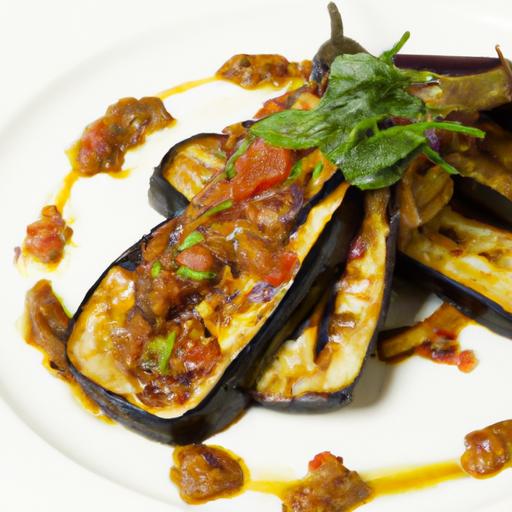

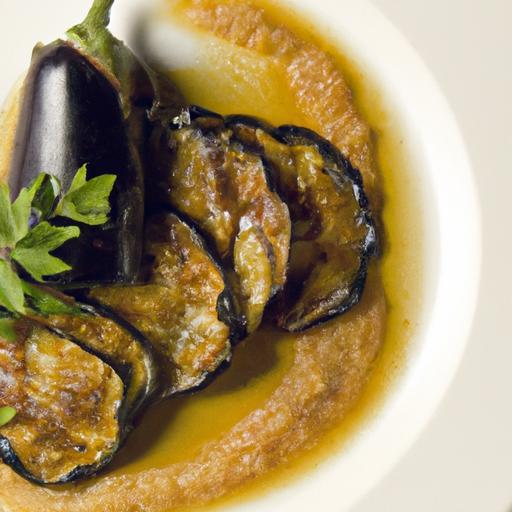
Eggplant,with its lustrous purple hue and velvety texture,is a vegetable that straddles the boundary between humble staple and culinary muse. Yet, beneath its glossy skin lies a world of untapped potential-waiting to be awakened through the alchemy of baking. “Unlocking Flavor: the Art and Science of Baked Eggplant” ventures beyond traditional recipes to reveal how heat transforms this often-underestimated ingredient, coaxing out layers of smoky sweetness, tender creaminess, and rich umami. In this exploration, we delve into the techniques, chemistry, and creative nuances that elevate baked eggplant from simple side dish to irresistible centerpiece-inviting cooks of all levels to master the subtle craft of turning eggplant into an unforgettable flavor experience.
Unlocking Flavor: The Art and Science of Baked Eggplant
Unlocking flavor in eggplant begins with understanding the intricate relationship between variety, preparation, and baking technique. This humble vegetable carries a rich history from mediterranean kitchens to vibrant Middle Eastern feasts,where its tender flesh and slightly smoky undertones have made it a beloved centerpiece.Whether you’re a seasoned chef or a home cook eager to elevate your dishes, mastering how to select the perfect eggplant and enhance it through baking will reward you with complex textures and profound taste.
Prep and Cook Time
- Preparation: 20 minutes
- Marinating Time: 30-60 minutes (optional, but recommended)
- Baking Time: 35-45 minutes
yield
Serves 4 as a main or a hearty side
Difficulty Level
Medium – requires a few preparation steps but accessible to confident home cooks
Ingredients
- 2 medium-sized globe eggplants (firm with shiny skin, approximately 1.5 lbs)
- 2 tablespoons extra virgin olive oil, plus more for brushing
- 1 teaspoon kosher salt (for sweating the eggplant)
- 3 cloves garlic, minced
- 1 teaspoon smoked paprika
- 1 teaspoon ground cumin
- ½ teaspoon ground coriander
- 2 tablespoons fresh lemon juice
- 1 tablespoon balsamic vinegar
- ½ teaspoon freshly ground black pepper
- Fresh herbs (such as parsley, mint, or basil) for garnish
Instructions
- Selecting and preparing the eggplant: Choose firm, glossy eggplants – the globe or Italian varieties work beautifully for baking. Slice into ¾-inch thick rounds or cubes depending on your dish. To reduce bitterness, sprinkle each piece evenly with the kosher salt and arrange them on a wire rack or in a colander over the sink. Let them sweat for 30 minutes, then rinse thoroughly and pat dry with paper towels.
- Marinating: In a medium bowl, combine the olive oil, minced garlic, smoked paprika, cumin, coriander, lemon juice, balsamic vinegar, and black pepper. Toss the eggplant slices or cubes gently in this mixture, ensuring each piece is generously coated. For maximum flavor infusion, let them marinate for an additional 30 to 60 minutes in the refrigerator.
- Preheat the oven: Set your oven to 400°F (200°C). Line a baking sheet with parchment paper or a silicone mat to prevent sticking and promote even cooking.
- Baking: Arrange the marinated eggplant pieces in a single layer on the baking sheet – avoid overcrowding to achieve a perfect roast and caramelization. Brush with a light layer of olive oil on top. Bake for 35 to 45 minutes, turning halfway through, until the eggplant is tender, golden brown around the edges, and glistening with roasted juices.
- Finishing touches: As soon as you remove the eggplant from the oven, sprinkle fresh herbs atop to add brightness and a pop of color. Serve warm or at room temperature for the most pronounced flavor and tender texture.
Tips for Success
- Varietal choice matters: While globe eggplants are classic, try Japanese or Italian eggplants for a sweeter, less bitter experience and thinner skins that require less sweating.
- Salt smartly: Sweating draws out moisture and bitterness but do not overdo it – excessive salt can dry out the flesh.
- Marinade magic: The spice combo balanced with acidity from lemon and balsamic brightens the earthiness of the eggplant and tenderizes the flesh.
- Oven consistency: Use a convection setting if available for an even roast; otherwise, rotate the baking sheet halfway to avoid uneven browning.
- Make-ahead benefits: Baked eggplant can be stored in an airtight container in the fridge for up to 3 days – perfect for meal prep and layered dishes like moussaka or eggplant parmigiana.
Serving Suggestions
Present this luscious baked eggplant alongside a dollop of creamy Greek yogurt or labneh, and scatter toasted pine nuts on top for added crunch. For a mediterranean touch, pair with warm pita bread, fresh cherry tomatoes, and a drizzle of herb-infused olive oil. alternatively,layer the baked slices with roasted bell peppers and mozzarella for a delectable vegetarian gratin.
| Nutritional Info (per serving) | Calories | Protein | Carbs | fat |
|---|---|---|---|---|
| Baked Eggplant | 120 | 3g | 9g | 8g |

For more tips on vegetable roasting and innovative Mediterranean flavors, check out our Mediterranean Roasted vegetables Guide. To explore eggplant’s culinary heritage, visit britannica’s eggplant overview.
Q&A
Q&A: Unlocking Flavor – The Art and Science of Baked Eggplant
Q: Why does baked eggplant frequently enough taste bitter, and how can that bitterness be tamed?
A: Eggplants contain naturally occurring compounds called glycoalkaloids, which can sometimes impart a bitter flavor. to mellow this, many cooks salt the slices beforehand-a process known as “sweating.” Salt draws out excess moisture along with some of those bitter compounds, resulting in a sweeter, richer taste. Though, newer varieties of eggplant tend to be less bitter, so salting is sometimes optional. The key is to experiment and trust your palate.Q: What role does texture play in perfecting baked eggplant?
A: Texture transforms eggplant from mushy to grand. the spongy flesh of eggplant can become a creamy, melt-in-your-mouth delight when baked correctly. high heat helps evaporate excess moisture, concentrating flavor and creating a tender interior with slightly caramelized edges. Overbaking leads to sogginess; underbaking results in a rubbery bite. Achieving that sweet spot is an art, grounded in understanding your oven and the size of your eggplant cuts.
Q: how does the preparation method impact the flavor development during baking?
A: Every step whispers flavor secrets! Slicing thickness influences how heat penetrates and flavors develop. Brushing eggplant with olive oil before baking not only prevents drying but promotes Maillard browning-the chemical reaction that creates savory, complex notes. Adding aromatics like garlic, herbs, or spices before or after baking layers flavor, turning simple eggplant into a gourmet experience.
Q: Can baked eggplant be a base for diverse cuisines?
A: Absolutely! Baked eggplant is a global chameleon. In Mediterranean dishes, it mingles with tomatoes, olives, and feta. Middle Eastern cuisines turn it into smoky baba ganoush, while indian recipes embrace it in spicy curries. Its neutral yet expressive flavor profile makes it a perfect canvas, absorbing and amplifying whatever flavor palette you choose.Q: What scientific principles help unlock the best flavor in baked eggplant?
A: Heat-induced chemical transformations are at the heart of flavor unlocking. Caramelization of natural sugars and Maillard reactions between amino acids and reducing sugars give baked eggplant its golden-brown, umami-rich taste. Also,the evaporation of water concentrates these flavor compounds. Understanding these processes empowers you to tweak temperature and time, turning humble eggplant into a flavor powerhouse.
Q: Any tips for beginners wanting to master baked eggplant?
A: Start simple! Choose firm, fresh eggplants with glossy skin. Slice evenly,lightly salt if desired,and brush with oil.Bake at a high temperature (around 400°F/200°C) until tender and golden. Don’t overcrowd the pan-air circulation is key. taste as you go; seasoning and adjustments post-baking can elevate the dish. With patience and curiosity, unlocking the nuanced flavor of baked eggplant becomes a delicious journey.
To Wrap It Up
As the final slice is savored and the aromas of perfectly baked eggplant linger in the air, we come to appreciate that this humble vegetable is much more than meets the eye. Unlocking its full flavor is both an art and a science-a delicate balance of technique, patience, and a keen understanding of its unique character.Whether you’re coaxing out its natural sweetness with roasting, enhancing its creaminess through careful seasoning, or experimenting with bold spices that dance on your palate, the journey transforms eggplant from simple ingredient to culinary masterpiece. So next time you approach this versatile gem, remember: behind its unassuming skin lies a world of flavor waiting to be awakened, inviting you to savor every bite with newfound recognition.