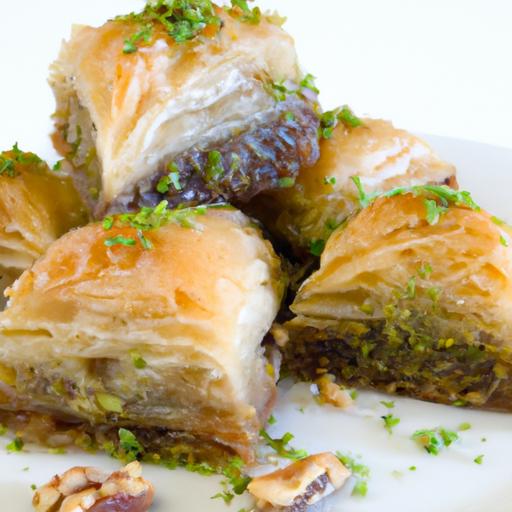

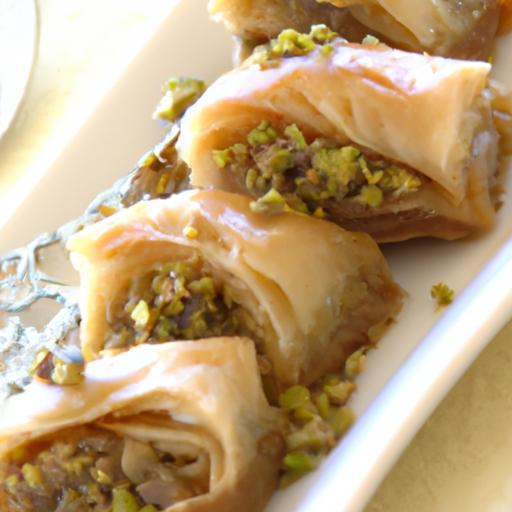
Nestled within layers of golden, flaky phyllo dough and drizzled with fragrant honey or shimmering syrup, baklava has long enchanted taste buds across continents and centuries. This timeless sweet treat, with its intricate textures and rich history, is far more than just a dessert-it’s a tapestry woven from cultural tales, ancient recipes, and culinary artistry. In “Baklava Unwrapped: Sweet Secrets of the Timeless Treat,” we peel back the delicate layers to reveal the origins, variations, and traditions that have made baklava a beloved delicacy worldwide. Join us as we delve into the story behind those glossy, nut-studded squares that continue to captivate hearts and palates alike.
Baklava Unwrapped reveals the fascinating journey of this beloved pastry,a timeless treasure that has traveled through empires and cultures,evolving in flavor and form yet retaining its enchanting essence. Originating from the Ottoman Empire and influenced by Byzantine and Middle Eastern traditions, baklava embodies the perfect harmony of flaky, buttery layers and delicate, sticky sweetness-a symphony of textures and tastes that have inspired countless culinary artisans, including myself, to master its craft.
Prep and Cook Time
- Preparation: 1 hour 30 minutes (including dough resting)
- Cooking: 45 minutes
- Total Time: 2 hours 15 minutes
Yield
Serves 12-16 generous portions
Difficulty Level
Medium – requires patience and attention to detail but yields extraordinary results
Ingredients
- Phyllo Dough: 1 package (16 oz),thawed if frozen
- Unsalted Butter: 1 ½ cups (3 sticks),melted
- Mixed Nuts: 3 cups finely chopped (traditionally walnuts,pistachios,and almonds)
- Granulated Sugar: ½ cup (for nut mixture)
- ground Cinnamon: 2 teaspoons
- Ground Cloves (optional): ¼ teaspoon
- Water: 1 cup (for syrup)
- Honey: ¾ cup
- Granulated sugar: 1 cup (for syrup)
- Fresh lemon Juice: 2 tablespoons
- Rose water or orange Blossom Water (optional): 1 tablespoon
instructions
- Prepare the nut mixture: in a bowl,combine the finely chopped mixed nuts,½ cup sugar,ground cinnamon,and ground cloves. Stir until evenly distributed. Set aside.
- Preheat the oven: Set your oven to 350°F (175°C). Lightly butter a 9×13-inch baking dish for a golden crust every layer craves.
- Layer the phyllo sheets: Carefully unroll the phyllo dough, covering it with a damp cloth to prevent drying. Place one sheet into the baking dish and brush generously with melted butter. Repeat this process to create 8 layers of buttery phyllo.
- Add the nut filling: Evenly sprinkle about one-third of the nut mixture over the layered phyllo sheets.
- Build layers and fill: Repeat layering 4 phyllo sheets, each brushed with butter, followed by another third of the nut mixture.Finish with a final set of 8 buttered phyllo sheets to cap the baklava.
- Cut before baking: Using a sharp knife, cut the baklava into desired shapes-diamonds are conventional-cutting through all layers. This helps the syrup penetrate evenly later.
- Bake until golden: Place the dish in the oven and bake for 40-45 minutes, or until the layers are crisp, flaky, and a rich, golden brown.
- Make the syrup while baking: Combine water, honey, 1 cup sugar, and lemon juice in a saucepan. Bring to a boil, then simmer for 10 minutes until slightly thickened. Stir in rose water or orange blossom water if using. Let it cool to room temperature.
- Soak the baklava: Remove the baklava from the oven and immediately pour the syrup evenly over the hot pastry. The syrup will sizzle and seep through every crevice, locking in sweetness and moisture.
- Cool and rest: Allow the baklava to cool fully at room temperature before serving. This resting period enhances the flavor melding and crispness.
Chef’s Notes for Mastering Baklava Unwrapped
- Phyllo handling: Phyllo dough is delicate and dries quickly-always keep sheets covered with a damp kitchen towel while working.
- Nut selection: Freshness is paramount; use premium quality nuts and toast them lightly to amplify their natural oils and flavors without overpowering the delicate sweetness.
- Syrup balance: The syrup should be slightly thinner than pancake syrup to prevent sogginess but still imbue moistness and shine.
- Make-ahead tip: Baklava tastes even better the day after preparation; cover tightly and store at room temperature.
- Variation idea: Substitute pistachios for walnuts to create a vibrant, green-hued baklava that dazzles on any dessert table.
Serving Suggestions
Present your baklava slices on a rustic wooden board or a delicate porcelain platter to elevate its visual appeal. Garnish with a light dusting of ground pistachios and a few edible rose petals for an elegant touch. Pair with a cup of strong Turkish coffee or fragrant mint tea to balance the sweetness and cleanse the palate between bites.
| Nutritional Info (per serving) | Amount |
|---|---|
| Calories | 320 kcal |
| Protein | 5 g |
| Carbohydrates | 28 g |
| Fat | 22 g |
Discover more about the cultural richness of layered pastries in our detailed guide on phyllo dough history and learn other delightful recipes that complement the delicate sweetness of baklava. for further reading on its Ottoman heritage, visit the Encyclopedia Britannica – Baklava.

Q&A
Q&A: Baklava Unwrapped – Sweet Secrets of the Timeless Treat
Q1: what exactly is baklava, and why has it captivated taste buds for centuries?
A1: Baklava is a luscious pastry made of flaky layers of phyllo dough, generously filled with chopped nuts-frequently enough walnuts, pistachios, or almonds-and drenched in fragrant honey or syrup. Its irresistible combination of crisp, nutty, and sweet textures has enchanted palates from the Ottoman Empire to today’s global dessert menus, making it a timeless symbol of indulgence and tradition.
Q2: Where did baklava originate, and how has its recipe evolved over time?
A2: While the exact birthplace of baklava is a debate among historians, it is widely believed to have roots stretching back to the royal kitchens of the Byzantine Empire and the Ottoman Empire. Over centuries, baklava evolved, influenced by Middle Eastern, Mediterranean, and Balkan cultures-each adding unique nuts, spices, and syrups that reflect their local flavors, creating diverse variations without losing its essence.
Q3: What makes the art of layering phyllo dough so crucial in baklava-making?
A3: Phyllo dough is the delicate backbone of baklava-a paper-thin pastry that transforms into a crisp, golden tapestry when baked. The secret lies in layering dozens of sheets brushed with butter or oil, crafting a light, flaky texture that contrasts perfectly with the rich, sticky nut filling. The painstaking layering process is a ritual of patience and precision, turning simple ingredients into edible art.
Q4: How do different nuts and syrups influence baklava’s flavor profile?
A4: Nuts and syrups are baklava’s signature chorus of flavors. Pistachios lend a vibrant, slightly sweet earthiness, walnuts add a robust, slightly bitter crunch, and almonds bring a mild, buttery note. Syrups made with honey,rosewater,or orange blossom water infuse each bite with floral sweetness and depth,turning baklava into a multi-sensory experience that varies by region and recipe.
Q5: Can baklava be enjoyed beyond a traditional dessert?
A5: Absolutely! While baklava is most commonly savored as a post-meal treat with tea or coffee, its rich sweetness and crunchy texture invite creative culinary twists.Chefs have begun experimenting with baklava ice cream sandwiches, savory nut blends, and even chocolate-dipped varieties-proving this centuries-old delicacy still has fresh stories to tell on modern plates.
Q6: what cultural significance does baklava hold around the world?
A6: Baklava is more than a dessert-it’s a cultural ambassador of hospitality, celebration, and heritage. Across Turkey, greece, Lebanon, and beyond, baklava graces festive tables during holidays, weddings, and family gatherings. Sharing baklava is an act of connection, symbolizing sweetness in life and the bonds that unite communities across borders.
Q7: How can home bakers unlock the secrets to making perfect baklava?
A7: Patience and quality ingredients are key! Start with fresh phyllo dough, keep it covered to prevent drying, and generously brush each layer with melted butter.Use a mix of finely chopped nuts for texture, and prepare a fragrant syrup to soak the baked pastry while it’s still warm. Embrace the layering as a meditative process-your hands bring tradition and love to every crisp, golden slice.
Key Takeaways
As the golden layers of baklava unfold before us, we discover more than just a dessert – we unveil a tapestry woven with history, culture, and timeless craftsmanship. From its flaky phyllo sheets to the shimmering drizzle of honey and the crunch of fragrant nuts, baklava stands as a sweet testament to tradition and innovation intertwined. Weather savored in a bustling bazaar or crafted lovingly at home, this beloved treat continues to enchant palates and hearts around the world. So, the next time you take a delicate bite, remember: you’re indulging in centuries of stories, secrets, and sweetness-unwrapped and ready to delight.