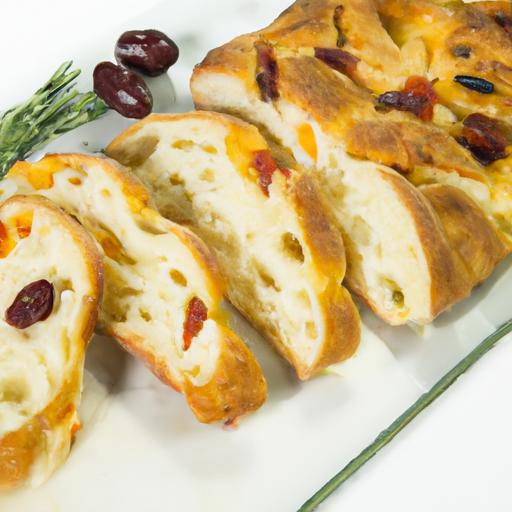

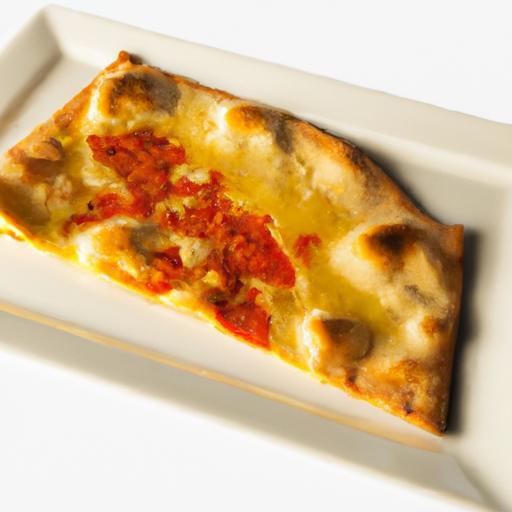
There is something undeniably captivating about focaccia-the golden,dimpled canvas of Italian baking that marries simplicity with bursting flavor. More than just bread, focaccia is an edible storybook, unfolding centuries of tradition, regional pride, and culinary artistry with every tender, olive-oil-kissed bite. From Liguria’s sun-drenched coastlines to bustling city bakeries, this humble flatbread transcends its rustic origins to become a versatile staple adored worldwide.In this exploration,we delve into the craft behind focaccia’s distinctive texture,the symphony of herbs and toppings that ignite the senses,and the cultural rhythms that have shaped its enduring legacy. Join us as we unfold the art and flavor of Italian focaccia-where history rises, and every slice tells a savory tale.
Focaccia unfolded: The Art and Flavor of Italian Bread
Focaccia is more than just bread – it’s a sensory journey into Italian traditions and rustic hospitality. This beloved flatbread, with its golden crust kissed by olive oil and sprinkled with fragrant herbs, embodies the heartwarming simplicity that cultivated Italy’s artisan baking legacy. From sunlit ligurian coastlines to your kitchen counter, mastering this recipe unlocks layers of texture, warmth, and flavor that bring people together around the table.
Prep and Cook Time
- Preparation: 20 minutes
- Rising: 1 hour 30 minutes
- Baking: 25 minutes
- Total Time: Approximately 2 hours 15 minutes
Yield
Serves 8 generous slices
Difficulty level
Medium – Ideal for home bakers ready to advance their dough-making skills
Ingredients
- 4 cups all-purpose flour,sifted
- 1 ½ cups lukewarm water (about 100°F/38°C)
- 2 teaspoons active dry yeast
- 1 tablespoon granulated sugar
- 2 teaspoons fine sea salt
- ½ cup extra virgin olive oil,plus extra for drizzling
- 2 tablespoons fresh rosemary,chopped (or 1 tablespoon dried)
- Coarse sea salt for sprinkling
- Optional toppings: sliced olives,cherry tomatoes,caramelized onions,or thinly sliced garlic
Instructions
- Activate the yeast: In a small bowl,combine warm water,sugar,and yeast. Stir gently and let it rest for 5-10 minutes until frothy. This step ensures your yeast is alive and ready for fermentation.
- Mix the dough: In a large bowl, whisk together flour and sea salt. Create a well in the center and slowly pour in the yeast mixture and ¼ cup olive oil. Using a wooden spoon or your clean hands, mix until a loose dough forms. It will be sticky – that’s perfect.
- Knead for texture: Transfer dough to a floured surface and knead gently for about 8 minutes. The dough should become smooth and elastic but remain soft. If it feels too dry, add a teaspoon of water at a time.
- First rise: Lightly oil a large bowl with 2 tablespoons of olive oil, place the dough inside, and cover tightly with plastic wrap or a damp kitchen towel. Let it rise in a warm spot for 1 hour or until doubled in size.
- Prepare the pan: Drizzle a 9×13-inch baking pan generously with olive oil. Gently tip in the dough and spread it out with your fingers to fill the pan. Don’t worry if it resists – let it rest for 10 minutes to relax the gluten, then stretch again.
- Dimple the dough: Using your fingertips,press deep dimples all over the dough’s surface. This key step traps oil and creates the signature pockets of texture.
- Add toppings: Sprinkle chopped rosemary evenly and pinch coarse sea salt into the dimples. Add any additional toppings like olives or tomatoes, distributing them artistically.
- Second rise: Cover the pan loosely and allow the dough to rise again for 30 minutes, gaining air and fluffiness.
- Bake to perfection: Preheat the oven to 450°F (230°C). Bake the focaccia in the center rack for 20-25 minutes or until golden brown and crisp on top.
- Finish with olive oil: Promptly after removing from the oven, brush the focaccia generously with extra virgin olive oil. Let cool slightly before slicing.
Chef’s Notes
- Hydration is key: Focaccia dough should be slightly sticky; this moisture contributes to the tender crumb. Resist adding too much flour while kneading.
- Olive oil quality matters: Use the best extra virgin olive oil you can find to enhance flavor and texture.
- Make it your own: Experiment with toppings like rosemary and sea salt or venture into savory combos such as caramelized onions, feta cheese, or sun-dried tomatoes.
- Make-ahead: You can prepare the dough the night before and let it rise slowly in the refrigerator for deeper flavor progress.
- Storage: Keep focaccia in an airtight container at room temperature for up to 2 days. Reheat gently for crispness.
Serving Suggestions
This focaccia shines as an appetizer, accompaniment, or standalone snack.Consider serving it with a side of aged balsamic vinegar for dipping, a bowl of olives, or alongside a fresh Caprese salad. Garnish with a few rosemary sprigs and flakes of flaky sea salt to dazzle guests visually and on the palate.

Nutrition Facts (per serving)
| Calories | Protein | Carbs | Fat |
|---|---|---|---|
| 250 kcal | 6 g | 30 g | 11 g |
to expand your bread baking repertoire, dive into our article on Homemade Italian Breads for step-by-step guidance. For detailed food science behind yeast breads, check the insights shared by King arthur Baking Company.
Q&A
Q&A: Focaccia Unfolded – The Art and Flavor of Italian Bread
Q1: What makes focaccia so unmistakably Italian?
A1: Focaccia is a soulful expression of Italy’s rustic charm-a simple dough transformed by patience, quality olive oil, and a touch of salt into a fragrant, golden canvas. Its origins trace back to ancient Roman times, where it served as both sustenance and a communal ritual. The herb-studded,dimpled surface and alluring softness capture the essence of Italian warmth and conviviality.
Q2: How does focaccia differ from other breads?
A2: Unlike the hearty chew of a ciabatta or the crusty crunch of a baguette, focaccia strikes a delicate balance between fluffy interior and slightly crisp, olive oil-kissed crust.The signature dimples aren’t just decorative-they hold pools of oil and toppings, creating bursts of flavor with each bite. It’s as much a feast for the senses as it is a versatile staple.
Q3: What are the key ingredients to master traditional focaccia?
A3: The heart of focaccia is simple: high-protein flour, water, salt, yeast, and generous swirls of extra virgin olive oil-not just in the dough, but brushed lavishly on top.Fresh herbs like rosemary or thyme add fragrant notes, while flaky sea salt crowns the finished loaf. the magic lies in the balance and quality-each ingredient must honor the humble tradition.
Q4: Can focaccia be sweet as well as savory?
A4: Absolutely! While focaccia moast famously sports savory toppings such as olives, tomatoes, or caramelized onions, sweet variations flourish too. Imagine rosemary focaccia dotted with plump raisins and a drizzle of honey or a lemon zest-infused version dusted with powdered sugar. The bread’s tender crumb and mellow olive oil base open a canvas for unexpected flavor adventures.
Q5: How does the shaping and dimpling process influence the bread?
A5: the tactile act of shaping and dimpling focaccia is where artistry meets technique. Pressing your fingers into the dough creates those iconic wells that trap olive oil and toppings, preventing the bread from puffing unevenly. This creates delightful texture contrasts-crispy edges around the dimples and a pillowy interior-making each bite an interplay of flavors and sensations.
Q6: What cultural traditions are tied to focaccia?
A6: Focaccia is more than bread; it’s a cultural emblem. In Liguria, it’s a communal bread for festivals and family gatherings, often paired with local wines or cheeses. Variants like “focaccia al formaggio” from Recco highlight regional pride. Sharing focaccia fosters connection, echoing the Italian way of celebrating food as a social and joyous ritual.
Q7: How can a home baker embrace the “art” of focaccia?
A7: Embrace patience and intuition.Let the dough rest and rise slowly to awaken flavor and texture. Experiment with olive oil quality and herb combinations. Don’t fear imperfections-the charming rusticity is its signature. Use your fingers for dimpling instead of tools; this human touch breathes life into the loaf. Baking focaccia is less about precision and more about celebrating simplicity and creativity.
Q8: What makes focaccia a perfect companion to meals?
A8: Its subtle, fragrant flavor and tender texture make focaccia a versatile partner-weather it’s soaking up the juices of a robust stew, serving as a base for bruschetta, or standing alone as an afternoon snack. Focaccia’s lightly charred edges and olive oil richness enrich every bite,inviting diners to savor both the bread itself and the moments shared around the table.
In Conclusion
As the final crumb settles and the aroma of freshly baked focaccia lingers, we come to appreciate that this humble Italian bread is far more than just a simple staple.It’s a canvas for creativity,a bridge between tradition and innovation,and a testament to the artistry that transforms flour,water,and olive oil into something truly extraordinary. Whether enjoyed warm from the oven, adorned with fragrant herbs, or paired perfectly with a glass of vino, focaccia invites us to slow down, savor each bite, and celebrate the rich cultural heritage baked into every golden crust. In the world of bread, focaccia unfolds not just flavor, but a story-one slice at a time.