
Few appetizers evoke both nostalgia and culinary curiosity quite like the humble deviled egg. From bustling family picnics to elegant holiday spreads, these creamy, tangy bites have secured a cherished spot on tables worldwide. but what’s the story behind this seemingly simple dish? In “Deviled Eggs Decoded: History, Tips, and Tasty Twists,” we’ll embark on a flavorful journey-unraveling the origins of deviled eggs, sharing expert tips to perfect yoru presentation, and exploring inventive variations that breathe new life into this timeless classic. Whether you’re a seasoned chef or a curious home cook, get ready to crack open the secrets of deviled eggs and discover how to make them irresistibly yours.
Deviled Eggs Decoded: History, Tips, and Tasty Twists
Deviled eggs have long been cherished as a timeless appetizer that graces everything from humble family picnics to elegant holiday tables. Rooted in antiquity, this simple yet dazzling dish delivers a brilliant combination of creamy yolk filling and velvety white egg vessel that’s endlessly adaptable. Dive into the rich origins of deviled eggs, master the ideal texture and flavor, explore inventive ingredient blends, and discover presentation secrets that will transform your gatherings into unforgettable culinary celebrations.
Origins of Deviled Eggs and Their Cultural Journey
The story of deviled eggs dates back to ancient Rome, where boiled eggs stuffed with sauces were a luxurious starter reserved for the elite. The term “deviled” emerged in the 18th century England and later flourished in America,referring to spicy,seasoned foods. Over centuries, deviled eggs evolved through various cultures, reflecting local tastes-from tangy Dijon mustard in France to fiery paprika in Hungary. This tasty legacy not only highlights the dish’s versatility but also its enduring appeal-stretching across tables worldwide as a symbol of comfort and party.
Mastering the Perfect Deviled Egg Texture and Flavor
The hallmark of stellar deviled eggs is the filling’s silky texture paired with balanced seasoning. Achieving this begins with perfectly hard-boiled eggs-never overcooked to avoid that greenish ring around the yolk. Once peeled, the yolks should be smashed till ultra-fine before combining with creamy elements like mayonnaise or Greek yogurt. Adding mustard, a splash of vinegar or lemon juice, and seasoning with salt and pepper sharpens flavor profiles. For the ideal consistency, incorporate ingredients in stages, humming between thick and smooth to accommodate personal preferences. This deliberate mixing ensures each bite melts smoothly in the mouth, delivering that classic deviled egg experience.
Creative Ingredient Combinations to Elevate Your Deviled Eggs
While the classic version thrives on mustard and mayo, the canvas is wide open for innovation. Elevate your deviled eggs by introducing unexpected yet harmonious ingredients:
- Avocado and lime juice: Swap mayo for ripe avocado to inject vibrant color and creamy richness with a zesty twist.
- Sriracha and smoked paprika: Bring bold heat and smoky undertones for a modern, daring bite.
- Horseradish and fresh dill: Perfect for an herby kick that complements seafood-inspired spreads.
- Curry powder and golden raisins: A sweet-spicy profile that adds exotic depth and texture contrast.
- Crumbled bacon and chives: For a savory crunch that’s undeniably indulgent and crowd-pleasing.
These blends not only invigorate flavor but also create stunning visual cues, from emerald green to ruby red garnishes, encouraging guests to explore beyond the familiar.
Presentation Tips and serving Ideas for Memorable Gatherings
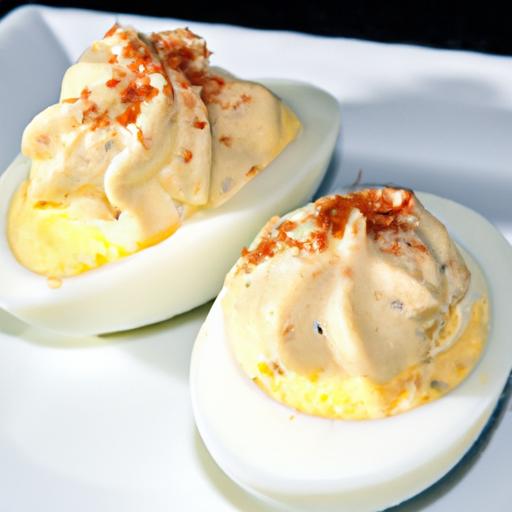
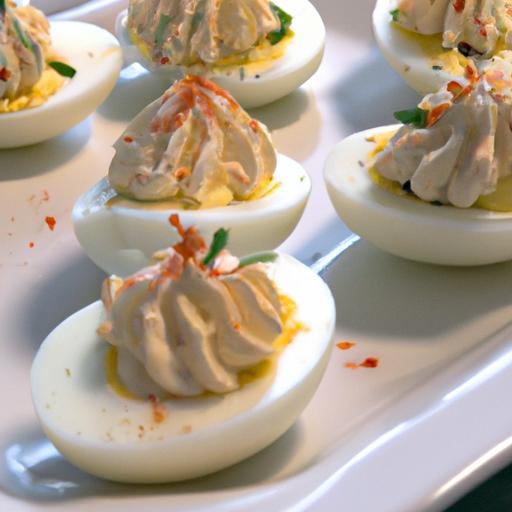
Presentation is key to turning deviled eggs into true centerpieces of any party. Opt for a pristine white platter or a rustic wooden board to create contrast with colorful garnishes. use a piping bag with a star tip to create elegant swirls of filling, topped with a dash of smoked paprika, finely chopped herbs, or tiny edible flowers for a delicate flourish.
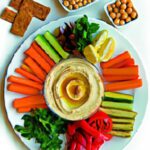
Consider serving alongside complementary finger foods such as crisp vegetable crudités, charcuterie slices, or a tangy cucumber salad to balance richness. For formal affairs, position deviled eggs on a tiered stand adorned with fresh greenery or edible blossoms-this elevates visual appeal and invites conversation. Simple touches, like garnishing with vibrant microgreens or a sprinkle of toasted nuts, can transform a beloved classic into an unforgettable delight.
prep and Cook Time
- Prep Time: 20 minutes
- Cook Time: 12 minutes (boiling eggs)
- Total Time: 32 minutes
Yield
12 servings (24 deviled egg halves)
Difficulty Level
Easy – perfect for beginners and seasoned cooks alike!
Ingredients
- 12 large eggs, cold
- ½ cup mayonnaise (or substitute Greek yogurt for lighter texture)
- 1 tbsp Dijon mustard
- 1 tsp apple cider vinegar or fresh lemon juice
- ½ tsp kosher salt
- ¼ tsp freshly ground black pepper
- Smoked paprika, for garnish
- Fresh chives or dill, finely chopped (optional garnish)
Instructions
- Hard boil the eggs: Place eggs in a single layer in a pot and cover with cold water by 1 inch. Bring to a rolling boil over high heat. Once boiling, cover the pot, turn off heat, and let stand for 12 minutes.
- Cool and peel: Transfer eggs to an ice bath immediately to halt cooking. After 10 minutes, gently peel under cold running water, ensuring shells come off cleanly.
- Prepare the filling: Slice eggs lengthwise and carefully scoop yolks into a bowl. Mash the yolks thoroughly with a fork until powdery and smooth.
- Mix the yolks: Stir in mayonnaise,Dijon mustard,vinegar,salt,and pepper. Adjust seasoning in small increments, tasting as you go for balance and creaminess.
- Fill the whites: Using a small spoon or piping bag fitted with a star tip, evenly spoon or pipe the yolk mixture back into each egg white half.
- Garnish creatively: Sprinkle smoked paprika and chop fresh herbs for a finishing touch. For added flair, use edible flowers or crispy bacon bits.
- Chill: refrigerate for at least 30 minutes before serving to let flavors meld and filling firm up slightly.
Tips for Success
- Peeling tip: Older eggs peel easier. For freshest eggs, add a pinch of baking soda to the boiling water to help loosen shells.
- Texture control: Use a mesh sieve to press the yolks for an ultra-smooth filling.
- Make-ahead: Prepare filling a day early and fill eggs before guests arrive to save time.
- Choice spice: Swap paprika for curry powder, smoked chipotle powder, or even a dusting of za’atar for global flavor inspiration.
- Dairy-free option: Replace mayo with mashed avocado or cashew cream for creamy consistency without dairy.
Serving Suggestions
Arrange deviled eggs on a large white or slate platter to highlight the vibrant filling. Scatter edible flowers, chopped herbs, and a light drizzle of infused oil for richness. Pair alongside crunchy crudités like celery sticks and radishes, crunchy toasted baguette slices, or a tangy pickled relish bar for contrast.
| Nutrient | Per Serving (2 halves) |
|---|---|
| Calories | 140 kcal |
| Protein | 7 g |
| Carbohydrates | 1 g |
| Fat | 12 g |
Explore more timeless side dishes to complement your deviled eggs. For detailed past insights, the History Channel’s Deviled Eggs origin story offers a fascinating read.

Q&A
Q&A: Deviled Eggs Decoded – History, Tips, and Tasty Twists
Q1: What exactly are deviled eggs, and where did they originate?
A: Deviled eggs are hard-boiled eggs halved and filled with a creamy, savory mixture usually made from the yolks mashed with mayonnaise, mustard, and seasonings. The concept dates back to ancient Rome, where stuffed eggs seasoned with spicy sauces were enjoyed as a delicacy. The term “deviled” emerged in the 18th century, referring to foods spiced up with mustard, pepper, or other zesty ingredients. Over centuries, deviled eggs have evolved from aristocratic hors d’oeuvres to beloved party staples worldwide.
Q2: Why are they called “deviled” eggs?
A: The word “deviled” historically refers to dishes prepared with spicy or zesty seasonings-think mustard, paprika, or cayenne pepper-that give a fiery kick. as deviled eggs typically contain mustard and sometimes a dusting of paprika, the name stuck. It’s less about anything sinister and more about the devilish punch of flavor!
Q3: What are some pro tips for perfect deviled eggs?
A: Achieving deviled egg nirvana is all about technique:
- Perfect hard-boiling: start eggs in cold water, bring to a boil, then simmer gently for about 10 minutes. Shock in ice water immediately to stop cooking and ease peeling.
- Peeling hack: Older eggs peel easier, or try cracking shells all over and rolling them gently before peeling.
- Smooth filling: for silky yolk filling, mash yolks thoroughly and fold in mayo and mustard gradually. A small splash of vinegar or pickle juice enhances tang.
- Piping magic: Use a piping bag or plastic bag with a corner snipped to fill whites neatly-presentation counts!
Q4: How can I jazz up classic deviled eggs for a modern twist?
A: Deviled eggs are endlessly customizable! Here are some tasty twists:
- Avocado Deviled Eggs: Swap mayo for mashed avocado for creamy, green goodness.
- Bacon & Cheddar: Sprinkle crispy bacon bits and shredded cheddar atop for smoky, savory flair.
- Curried Deviled Eggs: Add curry powder and a touch of mango chutney for an exotic kick.
- Sriracha & Lime: Mix sriracha into the yolk filling, and garnish with a zest of lime and cilantro for spicy freshness.
- Mediterranean Style: Incorporate chopped olives,sun-dried tomatoes,and feta into the filling for a vibrant bite.
Q5: Are deviled eggs just a party appetizer, or can they be more?
A: While they shine as crowd-pleasing appetizers at picnics and holiday tables, deviled eggs are versatile enough to star in brunch menus, potlucks, and even picnic lunches. Pair them with a crisp salad or a slice of smoked salmon for a light yet satisfying meal.Their portable size and burst of flavor make them perfect anytime!
Q6: What’s the secret to storing deviled eggs without losing freshness?
A: Deviled eggs are best enjoyed fresh but can be stored in an airtight container in the refrigerator for up to two days. To keep the whites from drying out, cover them tightly with plastic wrap or a damp paper towel. If prepping yolk filling ahead, store it separately and fill the whites just before serving for maximum freshness.Q7: Can deviled eggs be made vegan or allergy-pleasant?
A: Absolutely! For vegan deviled eggs, creative cooks use halved boiled potatoes or tofu blocks as the “white” base, filled with chickpea or tofu-based yolk mixtures seasoned with kala namak (black salt) for that eggy flavor. Dairy-free mayo or avocado provides the creamy texture. It’s a clever way to enjoy the spirit of deviled eggs without eggs or allergens.
From ancient feasts to modern kitchens, deviled eggs marry simplicity with flair, inviting endless experimentation. So crack open some eggs, channel your inner chef, and get ready to decode this timeless treat on your plate!
To Wrap It Up
From their ancient origins to their place at today’s festive tables, deviled eggs have truly stood the test of time-proving that a simple egg can be a canvas for endless creativity. Whether you stick to the classic mustard and mayo combo or venture into unexpected flavor territories with curry, avocado, or smoked paprika, these little bites continue to delight and surprise. So next time you peel back that shell, remember: you’re not just enjoying a snack-you’re partaking in a rich tradition, lovingly decoded and ready to be made your own. Happy deviling!