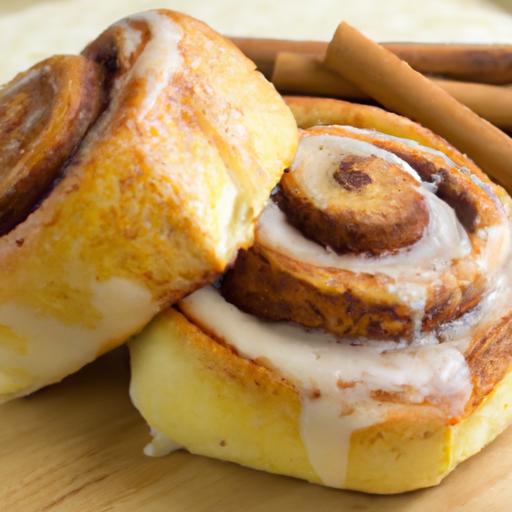

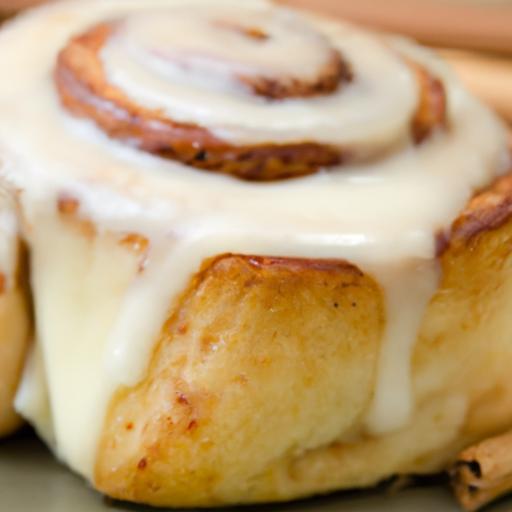
There’s something irresistibly magical about a warm, freshly baked cinnamon roll-the tender, flaky layers, the sweet swirl of cinnamon sugar, and that luscious glaze melting over the top.But behind this beloved breakfast treat lies a fascinating blend of science and artistry that transforms simple ingredients into a mouthwatering masterpiece. From the precise chemistry of yeast fermentation to the delicate balance of dough elasticity and sugar caramelization, the journey to the perfect cinnamon roll is as much about understanding science as it is indeed about baking intuition. Join us as we unravel the sweet science behind these irresistible spirals of delight, revealing the secrets that ensure every bite is soft, flavorful, and utterly unforgettable.
The Sweet science Behind Perfect Cinnamon Rolls Uncovered
The sweet science behind perfect cinnamon rolls uncovered reveals that it’s all about mastering the delicate harmony between cinnamon’s warming spice and the ideal level of sweetness,alongside achieving a dough texture so soft and fluffy it practically melts in your mouth. From that first tantalizing bite to the gleaming glaze, every component plays a vital role in delivering the ultimate cinnamon roll experience.
Prep and Cook Time
- preparation: 30 minutes
- Rising Time: 1 hour 15 minutes
- Baking Time: 20 minutes
- Total Time: Approximately 2 hours
Yield
12 generously sized cinnamon rolls
Difficulty Level
Medium – perfect for enthusiastic home bakers ready to level up their techniques
ingredients
- For the dough:
- 4 cups all-purpose flour, sifted
- 1 cup warm whole milk (about 110°F)
- 2 ¼ tsp active dry yeast (one packet)
- ⅓ cup granulated sugar
- ⅓ cup unsalted butter, melted
- 1 tsp salt
- 2 large eggs, room temperature
- For the filling:
- 1 cup packed light brown sugar
- 3 tbsp ground cinnamon
- ⅓ cup unsalted butter, softened
- For the glaze:
- 1 cup powdered sugar
- 2 tbsp whole milk
- ½ tsp pure vanilla extract
Instructions
- Activate the yeast: In a small bowl, whisk yeast into the warm milk wiht 1 teaspoon of sugar. Let stand for 5-7 minutes until frothy to ensure the yeast is alive and active.
- Prepare the dough: In a large mixing bowl, combine the sifted flour, remaining sugar, and salt. Stir to distribute evenly.
- add wet ingredients: Pour in the melted butter, yeast mixture, and eggs. Stir using a wooden spoon or stand mixer fitted with a dough hook until the dough begins to come together.
- knead for softness: Knead the dough on a floured surface for about 8-10 minutes until smooth and elastic. If using a stand mixer, knead on medium speed for 6-7 minutes. The dough should be soft but not sticky.
- First rise: Place the dough in a lightly greased bowl, cover with a clean kitchen towel, and let it rise in a warm place for 1 hour or until doubled in size.
- prepare the filling: Combine light brown sugar and cinnamon in a small bowl. Set aside the softened butter separately for easy spreading.
- Roll and fill: punch down the dough and roll it out on a floured surface into a 16×12 inch rectangle. Spread the softened butter evenly over the surface, leaving a small border around the edges. Sprinkle the cinnamon sugar mixture liberally on top, pressing lightly to adhere.
- Shape the rolls: Starting from the longer side, carefully roll the dough into a tight log. Pinch the seam to seal. Using a sharp knife or dental floss, cut into 12 equal slices.
- Second rise: arrange rolls in a greased 9×13 inch baking pan, leaving slight gaps for expansion. Cover and let rise another 30 minutes until puffed.
- Bake to golden perfection: Preheat oven to 350°F (175°C). Bake rolls for 18-20 minutes until golden brown and the tops are firm to touch.
- Glaze consistency mastery: While rolls bake, whisk powdered sugar, milk, and vanilla until smooth. Adjust milk drop by drop to reach a pourable but creamy consistency-rich enough to cling while still dripping luxuriously over each roll.
- Finish and serve: Drizzle or spread glaze over warm cinnamon rolls for that irresistible shine and the perfect sweet balance. Serve promptly.
Chef’s Notes: Tips for Success
- Balancing sweetness: The combination of light brown sugar’s molasses tones with cinnamon ensures warmth without overpowering. Adjust cinnamon subtly if preferred more or less spiced.
- dough texture secrets: Use whole milk for richness and knead thoroughly to develop the gluten structure that gives softness and fluffy rise.
- Glaze tips: for a glaze thick enough to coat but thin enough to drizzle, start with 1½ tablespoons of milk and add more as necessary in small increments.
- Make-ahead: prepare rolls the night before,cover,and refrigerate after the second rise. Bake in the morning for fresh, warm treats.
- Common troubleshooting: If dough is sticky, add flour one tablespoon at a time; if too dry, add a splash of warm milk gradually during kneading.
Serving Suggestions
Present these cinnamon rolls on a rustic wooden board or a pristine white platter for contrast. Garnish with a light dusting of cinnamon or finely chopped toasted pecans for texture. pair them with a steaming cup of chai tea or cappuccino to enhance their spicy-sweet profile. for celebrations, add a scoop of vanilla bean ice cream on the side for an indulgent twist.
| Nutrient | Per Roll |
|---|---|
| Calories | 320 kcal |
| Protein | 6 g |
| Carbohydrates | 45 g |
| Fat | 10 g |

For more baking inspiration, check out our Ultimate Bread Making Guide. To deepen your understanding of yeast fermentation science, visit ScienceDirect’s article on yeast physiology.
Q&A
Q&A: The Sweet Science Behind Perfect Cinnamon Rolls Uncovered
Q1: What makes a cinnamon roll truly “perfect”?
A1: The “perfect” cinnamon roll strikes a harmonious balance between a tender, pillowy dough, a gooey cinnamon-sugar filling, and a luscious glaze that melts just right. It’s not just about taste-texture, aroma, and visual appeal all play essential roles in creating that ultimate sensory experience.
Q2: Is there a scientific secret to achieving that soft,fluffy dough?
A2: Absolutely! The magic lies in gluten development and fermentation.Kneading the dough activates gluten strands, giving structure and elasticity. Meanwhile,yeast fermentation produces carbon dioxide,causing the dough to rise and become airy.Controlling fermentation time and temperature ensures a tender crumb without chewiness or toughness.
Q3: Why is butter so crucial in cinnamon rolls?
A3: Butter acts as the flavor powerhouse and the textural hero. It coats flour proteins, reducing gluten formation for a softer dough. Additionally, butter melts during baking, creating those delightful flaky layers inside the roll. The rich, creamy fat also enhances flavor depth, making every bite indulgent.
Q4: What’s the science behind the gooey cinnamon filling?
A4: The filling’s texture hinges on sugar’s interaction with heat and moisture. Brown sugar’s molasses content adds moisture and chewiness, while cinnamon contains essential oils that release aroma when heated. combining sugar and butter creates a luscious caramelization during baking, resulting in that irresistible stickiness.Q5: How does the glaze make or break the cinnamon roll?
A5: The glaze is the final flourish that seals flavor and texture. Its sugar content crystallizes lightly while the liquid (often milk or cream) imparts smoothness. Adding cream cheese or vanilla introduces complementary tang and aroma. Scientifically, the glaze’s viscosity must be just right-for drizzling ease and that perfect balance of sweetness without oversaturation.
Q6: Can temperature control really impact the final product?
A6: Yes, temperature is a silent but mighty player. Warm environments accelerate yeast fermentation but risk over-proofing, resulting in dense rolls. Cooler temperatures slow the process, enhancing flavor complexity as yeast produces aromatic compounds. Baking temperature determines crust formation and caramelization-the key to golden, fragrant rolls.
Q7: Any tips for home bakers wanting to harness this sweet science?
A7: Patience is your best ingredient. Allow dough to rest and rise fully but avoid rushing. Use fresh yeast and quality butter for best results. Measure ingredients precisely-science loves precision! Don’t neglect temperature control: proof dough in a warm spot and preheat your oven properly.Lastly, experiment with glazes-try adding citrus zest or spices to elevate your cinnamon rolls from good to unforgettable.
Unlocking the science behind cinnamon rolls reveals that perfection is no accident-it’s a appetizing recipe of chemistry, biology, and a dash of art. So next time you bite into one, savor the sweet symphony of science at work!
Insights and Conclusions
As the last swirl of cinnamon melts into pillowy dough and golden sugar crystals toast to perfection, we see that making the perfect cinnamon roll is no mere kitchen luck-it’s a carefully crafted dance of chemistry and craft. From yeast’s gentle rise to the alchemy of caramelizing sugars, every step is a scientific symphony that turns simple ingredients into a tender, aromatic masterpiece. So, next time you bite into that warm, gooey spiral, remember: behind every perfect cinnamon roll lies a sweet science patiently waiting to be savored.