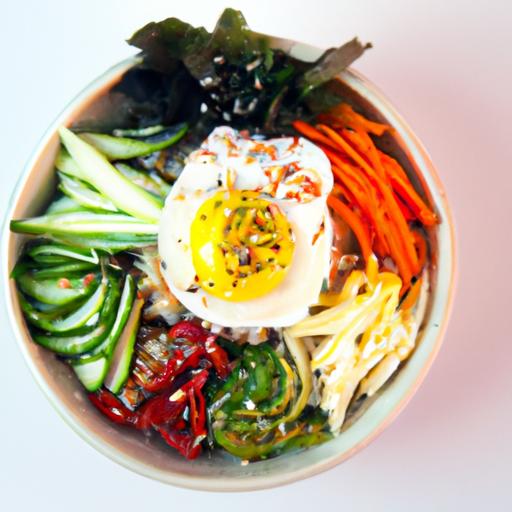

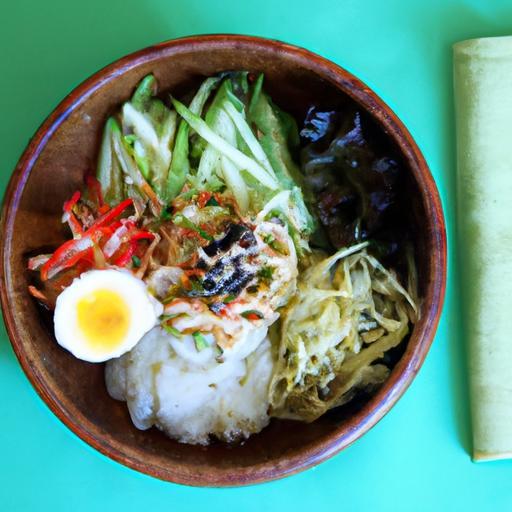
In the vibrant tapestry of Korean cuisine, few dishes capture the spirit of harmony and creativity quite like bibimbap. More than just a bowl of mixed ingredients, bibimbap is a appetizing festivity of color, texture, and flavor-an edible mosaic that tells a story with every bite.From its humble origins as a humble farmer’s meal to its status as an international icon, bibimbap invites us to explore the artful balance of nature’s bounty and culinary tradition. Join us as we uncover the secrets behind Korea’s colorful flavor harmony bowl and discover why bibimbap continues to captivate palates around the world.
Bibimbap Uncovered: Korea’s Colorful Flavor Harmony Bowl
Bibimbap is not just a meal-it’s a vibrant celebration of freshness, texture, and masterful flavor blending. This iconic Korean dish perfectly balances crisp vegetables, tender rice, and a luscious, spicy-sweet sauce, making it a feast for the senses. Drawing from centuries of tradition, Bibimbap unfolds like a colorful mosaic of ingredients, where each bite reveals harmony and depth. Let’s explore how to elevate your bowl by choosing the freshest ingredients, perfecting the renowned gochujang sauce, and presenting your Bibimbap like an edible work of art.
Prep and Cook Time
- Readiness: 30 minutes
- Cooking: 20 minutes
- Total Time: 50 minutes
Yield
Serves 4 hearty portions
Difficulty Level
Medium – approachable for home cooks eager to master authentic Korean flavors
Ingredients
- 2 cups short-grain white rice, cooked and warm
- 1 cup spinach leaves, blanched and squeezed
- 1 cup bean sprouts, blanched
- 1 medium carrot, julienned
- 1 zucchini, julienned and lightly sautéed
- 4 shiitake mushrooms, thinly sliced and sautéed
- 1/2 lb ground beef or sliced bulgogi beef
- 2 cloves garlic, minced
- 4 eggs, fried sunny-side up
- 1 tbsp sesame oil
- 1 tsp sesame seeds, toasted
- Salt and pepper, to taste
- For the sauce:
- 3 tbsp gochujang (Korean red chili paste)
- 1 tbsp sesame oil
- 1 tbsp sugar or honey
- 1 tbsp water
- 1 tsp rice vinegar
- 1 clove garlic, finely minced
Instructions
- Prepare the rice: Rinse the rice under cold water until the water runs clear. Cook according to package instructions using slightly less water to keep grains firm. keep warm.
- Blanch the greens: In boiling water, blanch spinach and bean sprouts for 1-2 minutes. Drain and immediately transfer to ice water to keep vibrant color. Squeeze excess water and season each with a pinch of salt and a few drops of sesame oil. Set aside.
- Cook the vegetables: Lightly sauté zucchini and shiitake mushrooms separately in a teaspoon of sesame oil until tender but still retaining some bite-about 3 minutes each. Season with salt and pepper. sauté carrots just briefly or serve raw for freshness.
- prepare the beef: In a hot pan,add 1 tablespoon sesame oil and minced garlic. when fragrant,add the ground or sliced beef,seasoning with salt and pepper. cook until browned and cooked through, about 5 minutes.
- Make the sauce: whisk together gochujang,sesame oil,sugar,water,vinegar,and minced garlic until smooth and balanced. Taste and adjust sweetness or acidity for the perfect gochujang balance.
- Fry the eggs: In a non-stick skillet, fry eggs sunny-side up with runny yolks, which add luscious creaminess when mixed into the bowl.
- Assemble the Bibimbap: In wide shallow bowls, place warm rice as the base. artistically arrange blanched spinach, bean sprouts, sautéed zucchini, mushrooms, carrots, and cooked beef on top in separate sections to create a colorful mosaic.
- Finish with the egg: nestle one fried egg in the center of each bowl. Sprinkle with toasted sesame seeds and a drizzle of sesame oil.
- Serve with sauce: Provide the gochujang sauce on the side or drizzle atop. Encourage diners to gently mix all ingredients to create rich, layered textures and flavors.
Chef’s Notes: Tips for Success
- Vegetarian variation: Substitute beef with thinly sliced marinated tofu or omit for a fresh vegetable-only Bibimbap.
- Texture balance: Ensure vegetables are cooked just tender but maintain signature bite-this interplay of crunchy, soft, and chewy is essential.
- Sauce adjustment: The gochujang sauce can be personalized-add more sugar for sweetness or a dash of fish sauce for umami depth.
- Make ahead: Prepare all components separately and refrigerate. Reheat and assemble just before serving to retain freshness and vibrant colors.
- Rice tip: Use slightly cooled rice to prevent clumping but keep warm for a comforting texture.
Serving Suggestions: Elevate Your Dining Experience
present your Bibimbap in a strikingly colorful bowl, highlighting the varied ingredients arranged in neat, contrasting sections. Garnish with finely sliced scallions and a sprinkle of roasted sesame seeds for visual appeal and nutty aroma. Bibimbap shines alongside classic Korean banchan like kimchi, pickled radishes, and crunchy cucumber salad. Complement the meal with a light Korean barley tea, which refreshes the palate between bites and enhances the medley of flavors.
| Nutrient | Per Serving |
|---|---|
| Calories | 480 kcal |
| Protein | 25 g |
| Carbohydrates | 55 g |
| Fat | 12 g |

Q&A
Q&A: Bibimbap Uncovered – Korea’s Colorful Flavor Harmony Bowl
Q1: What exactly is Bibimbap?
A1: Bibimbap, literally meaning “mixed rice,” is a vibrant Korean dish that artfully combines steamed rice with an array of sautéed and seasoned vegetables, marinated meat (frequently enough beef), a fried egg perched on top, and a dollop of spicy gochujang (red chili paste). Before digging in,you mix all the ingredients together,creating a delicious symphony of flavors and textures in every bite.Q2: Why is Bibimbap called a “Colorful Flavor Harmony Bowl”?
A2: The magic of Bibimbap lies in its kaleidoscope of colors and tastes.Each vegetable-think spinach’s deep green, carrot’s bright orange, bean sprouts’ pale crunch-represents a different flavor profile and nutritional benefit. When combined, the colors aren’t just visually stunning; they symbolize balance and harmony, reflecting the Korean beliefs of eating well by incorporating various tastes, textures, and healthful ingredients.
Q3: How did Bibimbap originate?
A3: Bibimbap’s roots can be traced back centuries, with humble origins among busy farmers and monks who needed a quick, nourishing meal. Over time, it evolved from a practical mixed-rice dish to a beloved national specialty showcased during special occasions and festivals. The dish’s communal style of eating also mirrors Korea’s spirit of sharing and togetherness.
Q4: What makes Bibimbap a balanced meal?
A4: Bibimbap is a nutritional powerhouse. By incorporating grains (rice), protein (meat or tofu and egg), fiber-rich vegetables, and healthy fats (sesame oil), it covers all the major food groups.The spicy gochujang packs a punch of flavor and also aids digestion. Eating Bibimbap is not just about taste-it’s about nourishing the body and soul.
Q5: Are there regional variations of Bibimbap?
A5: Absolutely. Jeonju Bibimbap is famed for its carefully selected ingredients and richer taste, often including raw beef and a more abundant variety of vegetables. In contrast, Dolsot Bibimbap is served sizzling hot in a stone pot, creating a crispy, golden crust of rice at the bottom-adding a delightful crunch to the mix. Each region adds its own twist,celebrating local produce and culinary traditions.
Q6: How can a beginner make Bibimbap at home?
A6: Start with a base of warm steamed white rice. Prepare several vegetable sides: sauté spinach with garlic, julienned carrots, bean sprouts, and maybe some mushrooms. Add your protein-thinly sliced beef marinated in soy sauce and garlic, or tofu for a vegetarian option. Fry an egg sunny-side up. layer everything in a bowl, add a spoonful of gochujang, a drizzle of sesame oil, sprinkle with sesame seeds, and mix thoroughly before eating. Experimentation is encouraged-part of Bibimbap’s charm is customizing it to your taste.
Q7: Why has Bibimbap gained popularity worldwide?
A7: Beyond its eye-catching presentation, Bibimbap appeals globally because it’s both wholesome and adaptable. It offers comfort food’s warmth with a fresh,healthy twist-perfect for modern food lovers seeking nutritious,flavorful meals. plus, as Korean culture and cuisine continue to captivate international audiences, Bibimbap has become a gateway dish that beautifully showcases Korea’s culinary identity.
in short, Bibimbap is more than just a bowl of mixed rice-it’s a vibrant celebration of color, taste, and Korean tradition, proving that harmony on a plate can bring joy to every meal.
Concluding Remarks
As the vibrant colors of bibimbap swirl together in a harmonious blend of textures and tastes, this iconic Korean dish reveals more than just a meal-it tells a story of tradition, balance, and creativity. weather you’re savoring it in a bustling Seoul market or crafting your own bowl at home, bibimbap invites you to experience the essence of Korea’s rich culinary heritage in every bite. So next time you crave a burst of flavor wrapped in cultural importance, remember: bibimbap is more than food-it’s a celebration of harmony on a plate.