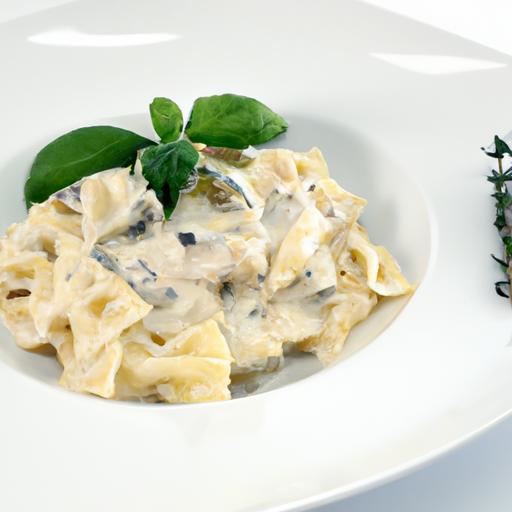

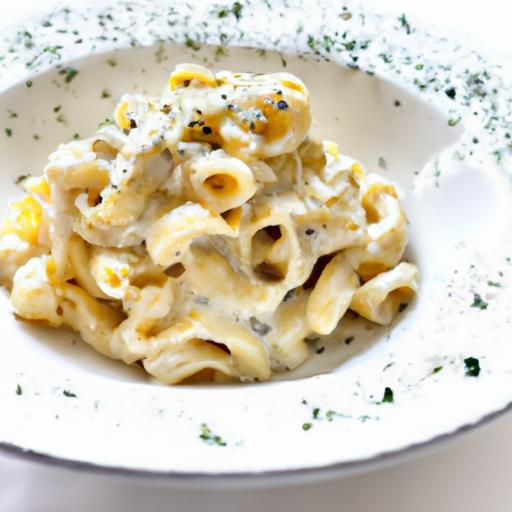
There’s something undeniably enchanting about a plate of Fettuccine alfredo-teh rich, velvety sauce clinging lovingly to each ribbon of pasta, creating a harmony of flavors that feels both indulgent and comforting. This creamy classic has long held a cherished place on menus around the world, yet its origins and nuances often remain cloaked in mystery. In this article, we embark on a culinary journey to uncover the story behind fettuccine Alfredo: tracing its Italian roots, exploring the simplicity that gives it such timeless appeal, and revealing tips to recreate that luscious perfection in your own kitchen. Prepare to dive fork-first into the creamy world of this beloved pasta, where every bite tells a story of tradition, innovation, and pure deliciousness.
Fettuccine Alfredo: Creamy Classic Pasta Uncovered
Fettuccine Alfredo is a timeless embodiment of italian comfort, where fresh pasta meets a luxuriously creamy sauce crafted from just a few simple ingredients. originating in early 20th-century Rome, this dish has evolved from a modest trattoria favorite to a global sensation. The secret behind its enduring appeal lies in its velvety texture and delicate balance of flavors, capturing the essence of Italian culinary artistry with every bite.
Prep and Cook Time
- Readiness: 10 minutes
- Cooking: 15 minutes
- Total Time: 25 minutes
Yield
Serves 4 hungry guests
Difficulty Level
Easy – perfect for both passionate beginners and seasoned home cooks
Ingredients
- 12 oz fresh fettuccine or high-quality dried fettuccine
- 1 cup unsalted butter, cut into pieces
- 1 ½ cups freshly grated Parmigiano-Reggiano cheese, finely grated
- 1 cup heavy cream (optional for authentic but modern creamy texture)
- Salt to taste
- Freshly ground white pepper, to taste
- 1 tablespoon pasta cooking water (reserved)
- Fresh parsley, finely chopped (for garnish)
Decoding the Perfect Creamy Texture: How to Achieve Authentic Alfredo Sauce
At the heart of Fettuccine Alfredo’s creamy allure is the exquisite emulsification between butter, cheese, and reserved pasta water. The key is tempering the cheese slowly into molten butter off the heat, which prevents clumping and creates a smooth, glossy sauce. While traditional recipes eschew cream, a splash of heavy cream today adds extra silkiness without overpowering the fundamental flavors. the starchy pasta water acts as a natural thickener and binds the sauce beautifully to each strand of fettuccine.
Instructions
- Bring a large pot of salted water to a rolling boil. Cook the fresh fettuccine according to package instructions-usually around 3-4 minutes-or until al dente. Reserve 1 cup of pasta cooking water before draining.
- In a large skillet over medium-low heat, melt the butter completely. If using, gently stir in the heavy cream and heat until just warm but not boiling.
- Remove the skillet from heat and gradually whisk in the freshly grated Parmigiano-Reggiano. Incorporate slowly until the sauce is smooth and creamy, adding a tablespoon of reserved pasta water as needed to loosen the sauce and achieve a velvety consistency.
- Toss the drained fettuccine directly into the sauce. Toss continuously to combine, allowing the sauce to evenly coat each strand.
- Season with salt and freshly ground white pepper. Adjust according to taste, remembering Parmigiano already provides a flavorful saltiness.
- Plate promptly, garnishing with a sprinkle of fresh parsley and additional cheese if desired.
Choosing the Ideal Pasta and Pairings to Elevate Your Fettuccine Dish
since the sauce is so rich and delicate,fresh or high-quality dried fettuccine is essential to the dish’s success. The wide,flat ribbons provide optimum surface area for the sauce to cling to,creating luscious bites in every forkful. Enhance the meal with simple accompaniments like peppery arugula salad, garlic-infused olive oil bread, or roasted seasonal vegetables. For a touch of elegance, pair with crisp white wines such as Pinot Grigio or a buttery Chardonnay, which complement the richness without overwhelming the palate.
Expert Tips and variations to Customize Your Creamy Classic Experience
- Cheese choices: While Parmigiano-Reggiano is non-negotiable for authenticity, blending in a bit of Pecorino Romano adds a sharper, saltier kick.
- Protein Enhancements: Add grilled chicken, sautéed shrimp, or crispy pancetta to transform the dish into a hearty main course.
- Herb Infusion: Fresh basil, thyme, or chives stirred in just before serving brighten the flavors beautifully.
- Lactose-Free Option: Use lactose-free butter and cheese while maintaining technique to keep the sauce creamy and satisfying.
- Make-Ahead: Prepare the sauce base and reheat gently, adding reserved pasta water to regain silkiness; cook pasta fresh to avoid mushiness.
- texture Trouble? If sauce becomes grainy, whisk vigorously with a splash of warm cream or milk off the heat to smooth it out.
Serving Suggestions
Present your Fettuccine Alfredo with a delicate touch: twist generous nests of pasta onto warmed plates to showcase the creamy, glossy finish. Garnish with a sprinkle of freshly minced parsley or microgreens for vibrant color. Accompany with crusty bread to soak up leftover sauce or a light citrusy salad to cut through the richness for a balanced meal. for an elegant dinner, finish with a drizzle of high-quality extra virgin olive oil or shaved truffles-an indulgence that elevates this classic to restaurant-level finesse.

| Nutrient | per Serving |
|---|---|
| Calories | 620 kcal |
| Protein | 22 g |
| Carbohydrates | 58 g |
| Fat | 34 g |
For a deeper dive into classic Italian sauces, check out our guide to classic Italian sauces. For historical context on Rome’s culinary heritage, visit Encyclopedia Britannica – Italian Cuisine.
Q&A
Q&A: Fettuccine Alfredo - Creamy Classic Pasta Uncovered
Q1: what exactly is Fettuccine Alfredo?
A1: At its heart, Fettuccine Alfredo is a simple, luscious pasta dish featuring ribbon-like fettuccine noodles cloaked in a velvety sauce made from butter, heavy cream, and Parmesan cheese. Its a silky celebration of comfort and indulgence that has captivated taste buds for over a century.
Q2: Where did Fettuccine Alfredo originate?
A2: This creamy classic traces its roots to Rome, italy, where in the early 1900s, restaurateur Alfredo di lelio concocted the dish to soothe his wife’s pregnancy-related nausea. Its delicate richness made it an instant hit, and soon it charmed visitors from around the world.
Q3: How dose authentic Italian Fettuccine Alfredo differ from its American cousin?
A3: In Italy, Alfredo’s magic is simple: freshly made pasta, butter, and Parmigiano-Reggiano tossed together to form a glossy coating-no cream needed. The American version often amps up the decadence by adding heavy cream and sometimes garlic or other seasonings, creating a thicker, more indulgent sauce.
Q4: What are the secrets to achieving the perfect creamy sauce?
A4: The secret lies in balance and technique. Gently melting butter and cream together, then gradually folding in finely grated Parmesan, creates an emulsion that clings elegantly to each strand of fettuccine. Timing is key-toss the pasta hot and swiftly to marry flavors before the sauce thickens too much.
Q5: Can Fettuccine Alfredo be customized or paired with other ingredients?
A5: Absolutely! While classicists prefer the pure, simple sauce, modern palates delight in creative twists: tender grilled chicken, sautéed mushrooms, steamed broccoli, or a sprinkle of fresh herbs like parsley or basil add bursts of flavor and texture. Just be careful not to overshadow the sauce’s creamy charm.
Q6: Why has Fettuccine Alfredo remained such a beloved dish worldwide?
A6: its timeless appeal stems from comfort and elegance wrapped into one plate. The creamy richness soothes, while the silky texture excites. It’s approachable for cooks of all skill levels and endlessly adaptable, making it a perennial favorite whether in a cozy home kitchen or a bustling trattoria.Q7: Any tips for making Fettuccine Alfredo at home?
A7: Use the freshest ingredients you can find-real butter, freshly grated Parmigiano-Reggiano, and quality pasta. Don’t overcook the noodles; al dente is best as it holds the sauce better. Work quickly while the pasta is hot, and don’t be afraid to experiment with a splash of pasta cooking water to adjust the sauce’s consistency.
Unveiling the creamy mystery of Fettuccine Alfredo reveals more than just a recipe-it’s a story of tradition, simplicity, and indulgence that continues to inspire kitchens around the globe. Ready to twirl your fork into this silky classic? Bon appétit!
In Retrospect
As the final forkful of fettuccine Alfredo melts on your tongue,it’s clear why this creamy classic has captivated taste buds for generations. Beyond its rich, velvety sauce and tender ribbons of pasta lies a story of tradition, innovation, and indulgence. Whether enjoyed in a bustling Roman trattoria or crafted lovingly in your own kitchen, fettuccine Alfredo invites us to savor simplicity at its finest.So next time you twirl those buttery strands, remember-you’re not just tasting a dish, you’re experiencing a culinary legend unfurled, one creamy bite at a time.