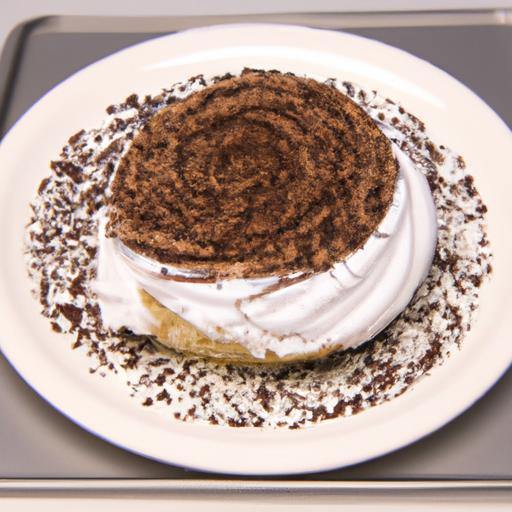

There’s a certain magic in the moment when a Baked Alaska emerges from the oven-a dramatic dome of golden meringue, crisp and billowy, encasing a treasure trove of ice cream and sponge cake. this timeless dessert is more than just a feast for the eyes; it’s a brilliant fusion of culinary artistry and scientific precision. Crafting the perfect Baked Alaska requires not only creativity in balancing textures and flavors but also a deep understanding of heat transfer, insulation, and the chemistry of ingredients. In this article, we’ll unravel the enchanting blend of art and science that transforms humble components into an unforgettable baked masterpiece.
The Art and Science Behind the Perfect Baked Alaska Delight
The art and science behind the perfect Baked Alaska delight combine timeless culinary tradition and precise technique, resulting in a dessert that is as visually stunning as it is tasty.Originating in the 19th century, this daring creation-layers of sponge cake, ice cream, and golden-baked meringue-showcases the magic of contrast: cold ice cream embraced by a warm, fluffy exterior. My passion for this classic treat was sparked during a winter family gathering, where the theatrical final brûlée moment illuminated more than just the room; it illuminated my love for dessert craftsmanship. Understanding each component’s history and science makes mastering Baked Alaska not only feasible but incredibly rewarding.
Prep and Cook Time
- Preparation: 30 minutes
- Freezing Time: Minimum 4 hours
- Baking Time: 4-6 minutes
- Total Time: Approximately 5 hours (including freezing)
Yield
Serves 6 generously, perfect for an intimate dinner party or family celebration.
Difficulty Level
Advanced: Involves advanced meringue techniques and precise timing, but the result is spectacular and remarkable.
The Art and Science Behind the Perfect Baked Alaska Delight: Ingredients
- For the Sponge Cake: 4 large eggs, separated
- ½ cup granulated sugar, divided
- ⅓ cup all-purpose flour, sifted
- 2 tablespoons unsalted butter, melted
- 1 teaspoon vanilla extract
- For the Ice Cream Layer: 1 quart high-quality vanilla or flavored ice cream (softened slightly)
- For the Meringue: 4 large egg whites
- ½ teaspoon cream of tartar
- ¾ cup granulated sugar
- 1 teaspoon vanilla extract (optional)
Instructions
- Prepare the Sponge Cake Base: Preheat your oven too 350°F (175°C). In a clean bowl, beat the egg yolks with ¼ cup sugar until thick and pale. In a separate bowl, whisk the egg whites to soft peaks, then gradually add the remaining ¼ cup sugar while whipping until stiff peaks form.
- Gently fold the flour into the egg yolk mixture,then carefully incorporate the whipped egg whites,preserving as much air as possible. Fold in the melted butter and vanilla.
- Pour the batter into a greased and parchment-lined round 8-inch cake pan. bake for 15-18 minutes until golden and springy.Cool wholly on a wire rack.
- shape the ice Cream layer: Line a bowl (the size of the sponge cake) with plastic wrap. Spoon softened ice cream into the bowl,smoothing the top. Freeze for at least 2 hours until firm enough to unmold.
- Assemble the Layers: Place the sponge cake on a baking sheet or heatproof plate. Unmold the ice cream dome and place it firmly atop the sponge cake. Return the assembled cake to the freezer for 1-2 hours to set.
- Prepare the Meringue: Begin by whisking egg whites with cream of tartar until frothy. Gradually add sugar,whisking on high speed until stiff peaks form and the mixture is glossy. Beat in vanilla extract if using.
- Cover the Cake with Meringue: Working quickly, use a spatula to completely encase the ice cream and cake, sealing edges to trap the cold inside. Create decorative peaks or swirls for a dramatic baked effect.
- Bake for the Signature Finish: Preheat your oven’s broiler or a high-temp setting to around 500°F (260°C) for a couple of minutes. Place the cake under the broiler just long enough for the meringue to turn a deep golden brown – roughly 4-6 minutes. Alternatively, use a kitchen torch for more control and artistry.
- Serve Immediately: Slice with a sharp knife dipped in hot water for clean cuts. The warmth of the meringue contrasts with the still-frozen ice cream for a sensational bite.
Tips for Success
- Use room-temperature egg whites for a more stable and voluminous meringue.
- Freeze the ice cream dome thoroughly to prevent melting during meringue baking.
- to intensify flavor layers, consider a thin layer of fruit preserves or liqueur between cake and ice cream.
- Brush sponge cake lightly with simple syrup if you prefer extra moistness and flavor.
- A blowtorch provides finer control over browning; broiling requires vigilance to prevent overcooking.
- Try variations with different ice cream flavors like chocolate, raspberry, or pistachio matched with complementary cake flavors.
Serving Suggestions
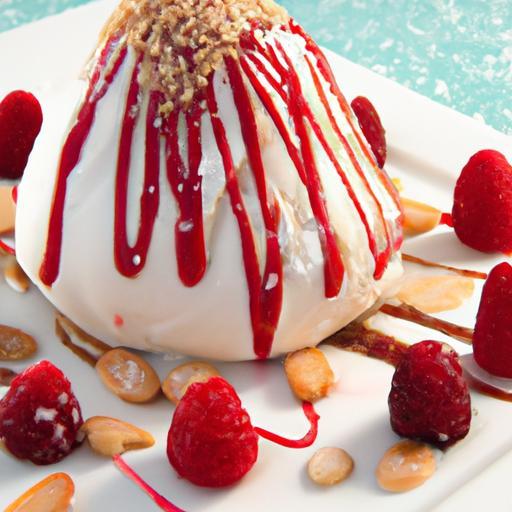
Present your Baked Alaska on a decorative platter, garnished with fresh berries, edible flowers, or a dusting of powdered sugar for elegant contrast. A drizzle of warm fruit coulis or melted chocolate adds extra indulgence. serve alongside a crisp dessert wine or sparkling wine to elevate the complete sensory experience.
| Nutrition (per serving) | Calories | Protein | Carbs | Fat |
|---|---|---|---|---|
| Baked Alaska Delight | 420 kcal | 6 g | 55 g | 18 g |
For a deeper dive into meringue science and perfect dessert styling,explore our Ultimate Guide to Meringue Techniques. Learn about the chemistry behind fluffy textures from Serious eats.

Q&A
Q&A: The Art and Science Behind the Perfect Baked Alaska Delight
Q1: What exactly is a Baked Alaska?
A: Baked Alaska is a stunning dessert that combines the cool, creamy delight of ice cream with the warm, tender embrace of cake and a golden, fluffy meringue shell. It’s a theatrical treat that dazzles both the eyes and the palate, offering a contrast of temperatures and textures in every bite.
Q2: How did Baked Alaska get its name?
A: The name “Baked Alaska” is said to honor the U.S. acquisition of Alaska in 1867. The dessert’s icy interior represents the frigid territory,while the fiery,browned meringue on the outside symbolizes the country’s warm culinary creativity-a playful nod to geography served on a plate!
Q3: What makes the perfect Baked Alaska so challenging to create?
A: The main challenge lies in baking the meringue until it’s golden and crisp without melting the ice cream inside.This requires precise timing and temperature control. The art is in insulating the ice cream with a perfect cake base and a meringue that cooks rapidly on the outside, keeping the inside deliciously cold.
Q4: Why is meringue used rather of another topping?
A: Meringue acts as an insulator. Its airy, egg-white structure traps heat, protecting the ice cream from the oven’s warmth long enough for the outer layer to brown beautifully. Plus, its sweet, slightly caramelized flavor complements the ice cream and cake perfectly, adding lightness and texture.
Q5: Is there a specific type of cake that works best under the ice cream?
A: Traditionally, sponge cake or genoise is preferred because it’s light and airy, providing a sturdy yet gentle base.The cake absorbs some moisture, preventing sogginess, and balances the dessert’s richness with its subtle sweetness and spongy bite.
Q6: Can any flavor of ice cream be used inside?
A: Absolutely! While classic versions use vanilla, chocolate, or fruit flavors like raspberry or lemon sorbet, the choice is yours. The key is to select flavors that complement the cake and meringue, creating a harmonious medley of tastes and textures.
Q7: What scientific principles allow the ice cream to stay frozen while the meringue browns?
A: It’s all about thermal insulation and rapid cooking. The meringue’s low density and high air content slow down heat transfer, while the oven’s high heat quickly browns the thin outer layer. Meanwhile, the cake and meringue act as barriers, preventing heat from penetrating deeply to melt the ice cream.
Q8: Are there modern twists to the traditional Baked Alaska?
A: Definitely! Chefs experiment by adding brûléed fruit toppings, using exotic ice cream flavors, incorporating alcohol-soaked cake layers, or even flambéing the entire dessert tableside for extra flair. Each twist pays homage to the classic while celebrating contemporary culinary creativity.
Q9: What tips can home bakers use to achieve a perfect Baked Alaska?
A: Keep your ice cream well-frozen and work quickly.Freeze the assembled cake and ice cream before applying the meringue,and use a high oven temperature or a kitchen torch for browning. Using a fresh, stable meringue made from egg whites and sugar beaten to stiff peaks ensures a glossy, resilient covering.
Q10: Why does Baked alaska evoke such delight and wonder?
A: It’s a symphony of contrasts-hot and cold, soft and crisp, sweet and subtle-that surprises and delights. Its dramatic presentation and combination of science and artistry transform simple ingredients into a memorable culinary experience, making it a timeless showstopper on any dessert table.
In retrospect
As we close the chapter on the enchanting world of Baked Alaska, it becomes clear that this dessert is much more than a sweet treat-it’s a harmonious dance between art and science.the delicate balance of textures, the precise control of temperature, and the creative flair in presentation all converge to create an experience that delights the senses and challenges the palate. Whether you’re a curious home baker or a seasoned pastry chef, understanding the intricate techniques behind this classic confection allows you to appreciate its magic on a deeper level. In mastering the perfect Baked Alaska, you don’t just bake a dessert-you celebrate a timeless masterpiece where culinary innovation meets edible artistry.