
There’s a particular kind of magic hidden in the humble roasted almond-a perfect symphony of flavor, texture, and aroma that transforms this simple nut into a crunchy delight. But what exactly unlocks that satisfying snap and rich, toasty depth we crave? Beyond the basic act of heating lies a captivating world of science and tradition, where heat meets chemistry to awaken almonds’ hidden essence. Join us as we peel back the layers and explore the enchanting process behind roasting almonds, unveiling the secrets that turn everyday nuts into irresistible crunchy treasures.
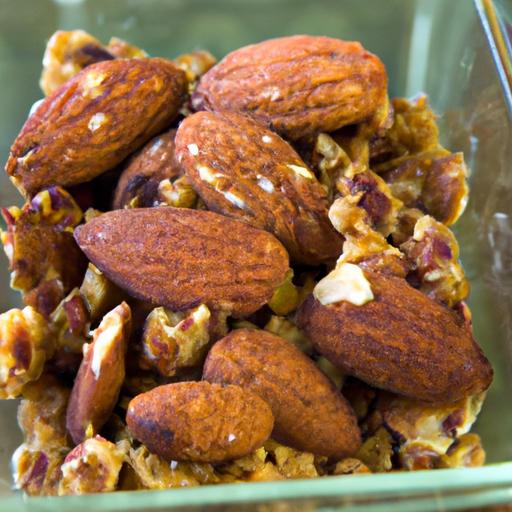
Unlocking the Crunch reveals the fascinating transformation roasted almonds undergo, turning humble nuts into a symphony of flavor and texture. This process hinges on chemistry-the Maillard reaction caramelizes natural sugars and proteins, deepening the almond’s rich, nutty essence while roasting brings out a signature crunch. Whether you love them as a simple snack or as an elevated ingredient,understanding how to master roast temperatures and timing ensures every bite delivers that perfect balance of crispness and flavor complexity.
Prep and Cook Time
Preparation: 5 minutes
Roasting: 12-18 minutes
Total Time: 20 minutes
Yield
About 2 cups of perfectly roasted almonds (serves 4-6)
Difficulty Level
Easy – No special equipment needed, just your oven and a baking sheet!
Ingredients
- 2 cups raw whole almonds
- 1 tbsp extra virgin olive oil (or melted coconut oil for a subtle sweetness)
- 1/2 tsp sea salt (adjust to taste)
- 1/2 tsp smoked paprika (optional, for a smoky heat)
- 1/4 tsp ground cinnamon (optional, for subtle warmth)
- 1 tsp pure maple syrup (for a touch of natural sweetness and glaze)
Instructions
- Preheat your oven to 350°F (175°C). Line a baking sheet with parchment paper or a silicone baking mat for easy cleanup.
- In a mixing bowl, combine the almonds with olive oil and maple syrup, tossing gently to ensure every almond is coated.
- Sprinkle in sea salt, smoked paprika, and cinnamon (if using). Mix well until the spices are evenly distributed.
- spread the almonds in a single layer on the prepared baking sheet, avoiding overcrowding for even roasting.
- Roast almonds for 12-18 minutes, stirring every 5 minutes to prevent burning and to promote even color. Watch closely after 12 minutes-the almonds should turn a deep golden brown and emit a rich, toasted aroma.
- Remove from oven and allow almonds to cool completely on the baking sheet. They will crisp up as they cool.
chef’s notes
- Roasting Temperature & Timing: Roasting between 325-350°F strikes the perfect balance. Higher temps risk a bitter scorch; lower temps take too long and dry out the nuts. Adjust roasting time based on your oven’s quirks.
- Natural Flavor Enhancements: Experiment with spice blends like za’atar, chili lime, or garam masala for unique tastes. For a sweet twist, sprinkle a pinch of sea salt and drizzle with honey post-roasting.
- Storage: Store cooled almonds in an airtight container at room temperature for up to two weeks, or in the fridge for 3-4 weeks to preserve freshness and crunch.
- Make-Ahead Tip: Prepare spiced almonds in small batches weekly-they make fantastic gifts or additions to salads, yogurt bowls, and cheese platters.
Serving Suggestions
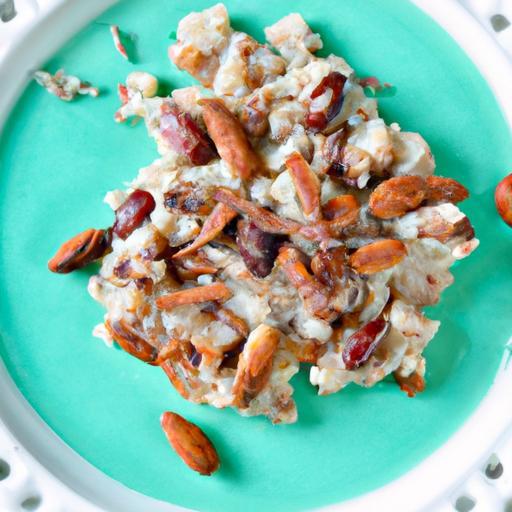
serve roasted almonds as a crunchy snack alongside aged cheeses and fresh fruit for a complex appetizer. Alternatively, toss them over roasted vegetable salads or grain bowls to add texture and nutty depth. Garnish with fresh rosemary sprigs or a light drizzle of melted dark chocolate for that irresistible finish.

| Nutrient | Amount per 1/4 cup |
|---|---|
| Calories | 200 kcal |
| Protein | 7 g |
| Carbohydrates | 6 g |
| Fat | 18 g |
For further inspiration on nutty recipes, explore our ultimate guide to homemade nut butters. To deepen your understanding of the chemistry behind roasting, check out this in-depth article from ScienceDaily.
Q&A
Q&A: Unlocking the Crunch – The Magic Behind Roasted Almonds
Q1: What makes roasted almonds so irresistibly crunchy and flavorful?
A1: The magic lies in the roasting process. When almonds are roasted, the dry heat causes their natural sugars and oils to caramelize and become more pronounced. This Maillard reaction not only enhances the nutty aroma but also creates that satisfying crunch by removing moisture and firming up the texture.
Q2: How does roasting affect the nutritional value of almonds?
A2: Roasting almonds slightly alters their nutrient profile. While some heat-sensitive vitamins like vitamin E might diminish a bit, the process makes certain antioxidants more bioavailable. Plus, roasted almonds retain most of their healthy fats, fiber, and protein, making them a flavorful and nutritious snack.
Q3: Are raw almonds less healthy than roasted ones?
A3: Not exactly. Raw almonds offer a fresh, mild flavor and contain all their natural enzymes intact. Roasting changes the taste and texture but doesn’t drastically reduce health benefits if done at moderate temperatures. Ultimately, both raw and roasted almonds have their place depending on your preference.
Q4: What’s the secret to perfectly roasted almonds at home?
A4: Patience and temperature control! roast almonds evenly at around 325°F (160°C) for 15-20 minutes,stirring occasionally.This gentle heat brings out their flavor without burning. For extra magic, toss them in a touch of olive oil, sea salt, or spices before roasting to customize your crunch.Q5: Why do some roasted almonds have a slightly smoky or bitter flavor?
A5: That hint of smokiness or bitterness often comes from over-roasting. When almonds are exposed to high heat for too long, the oils can start to burn, creating a deeper, sometimes acrid taste. Mastering roasting time ensures the flavor stays nutty and delightful rather than bitter.
Q6: Can roasting almonds unlock new culinary possibilities?
A6: Absolutely! roasted almonds bring a richer dimension to dishes-from sprinkling over salads and desserts to blending into nut butters or crusting proteins. That enhanced aroma and crunch elevate the entire eating experience, transforming simple recipes into something spectacular.
Q7: Is there a difference between dry roasting and oil roasting almonds?
A7: Yes! Dry roasting uses just heat, highlighting the almond’s natural flavors and crunch. Oil roasting coats the nuts in oil before heat, creating a richer taste and sometimes a shinier, more decadent surface. You can choose based on texture and flavor preferences.
Q8: What role does almond skin play after roasting?
A8: The skin contains antioxidants and fiber, and roasting can help soften its bitterness while preserving health benefits. some people prefer to enjoy almonds with skins on for extra nutrients and texture; others peel them for a smoother taste. Either way, the skin contributes its own subtle magic to the roasted almond’s character.
Unlocking the crunch of roasted almonds is both art and science-a delicate dance of heat and time that transforms humble nuts into a sensory delight. Whether you savor them raw or roasted, these versatile gems pack a powerhouse punch of flavor and nutrition in every bite!
In Retrospect
As we’ve journeyed through the rich, aromatic world of roasted almonds, its clear that their irresistible crunch is much more than just a satisfying sound-it’s a symphony of science and art. From the careful selection of each nut to the precise balance of heat and time, every step unlocks a transformation that enhances flavor, texture, and nutrition. So next time you savor that toasty bite, remember: behind the humble almond lies a magical process that turns nature’s simple seed into a crunchy delight.Unlocking this secret not only deepens our appreciation but invites us to enjoy each handful with a newfound sense of wonder.