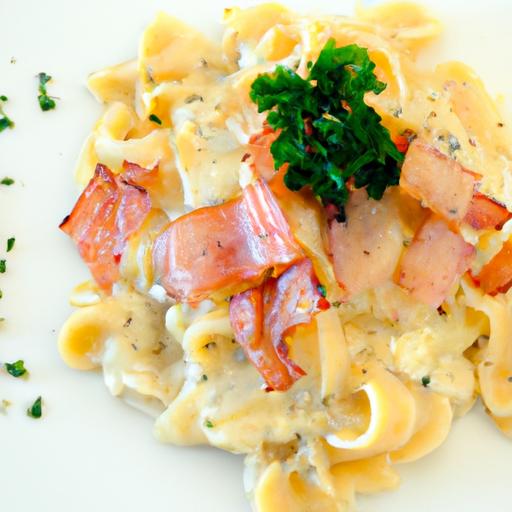

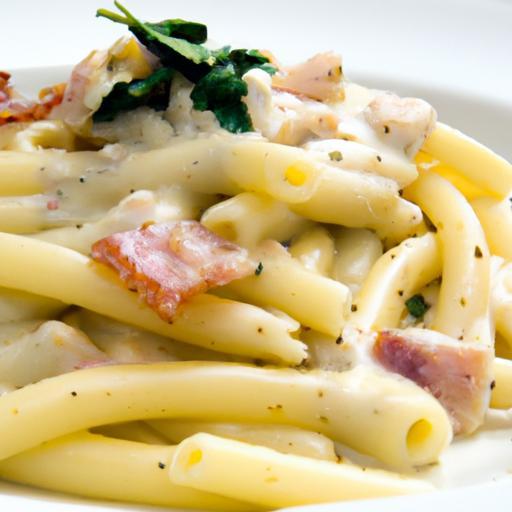
There is a certain magic in simplicity, and few dishes embody this truth as elegantly as Pasta Carbonara. Originating from the heart of Italy, this creamy classic delight has captured taste buds worldwide with its silky sauce, crispy pancetta, and al dente pasta harmony. But beneath its seemingly straightforward ingredients lies a rich history and a culinary artistry that have made Carbonara much more than just a dish-it’s a story of tradition, innovation, and the timeless allure of Italian cuisine. In this article, we’ll unveil the secrets behind Pasta Carbonara, exploring its origins, authentic preparation, and the reasons why this creamy concoction continues to enchant food lovers across the globe.
pasta Carbonara is much more than just a creamy Italian dish; it is indeed a culinary gem rooted in the heart of Rome where tradition melds with simplicity. This iconic recipe,beloved worldwide,invites food lovers to explore a harmony of flavors crafted from just a handful of authentic ingredients. As you delve into italy’s culinary history through the lens of this dish, you not only uncover regional nuances but also learn how to master a sauce so luscious it seems luxurious with every forkful.
Prep and Cook time
- Prep Time: 10 minutes
- Cook Time: 15 minutes
- Total Time: 25 minutes
yield
Serves 4 hearty portions
Difficulty level
medium – Requires attention to timing and technique for the perfect sauce
Ingredients
- 400g (14 oz) spaghetti or traditional rigatoni
- 150g (5 oz) guanciale, diced (cured pork cheek; pancetta as a substitute)
- 3 large fresh eggs
- 1 large egg yolk
- 1 cup (100g) finely grated Pecorino Romano cheese
- Freshly cracked black pepper, to taste
- Salt, for pasta water
Instructions
- Prepare the guanciale: In a large skillet over medium heat, cook the diced guanciale until it’s golden brown and crisp, about 5-7 minutes. stir occasionally to render fat evenly and prevent sticking. Remove from heat and set aside, keeping the fat in the pan.
- Cook the pasta: Bring a large pot of salted water to a boil. Add spaghetti and cook until just al dente, usually 1 minute less than package instructions. Reserve 1 cup of pasta cooking water before draining.
- Mix the egg and cheese: In a mixing bowl, whisk together eggs, egg yolk, Pecorino Romano, and a generous amount of freshly cracked black pepper until smooth and creamy.
- Combine pasta and guanciale: Add hot pasta to the skillet with the guanciale fat (off heat to avoid scrambling eggs). Toss to coat the pasta evenly.
- Create the creamy sauce: Slowly pour the egg and cheese mixture over the pasta, tossing vigorously to emulsify and create a silky coating.Add reserved pasta water a little at a time as needed to adjust consistency.
- Serve promptly: Plate the carbonara, top with additional Pecorino Romano and cracked black pepper for an authentic finishing touch.
Tips for Success
- Use fresh eggs: Freshness is key for a silky sauce and the best flavor.
- Avoid cream: Traditional carbonara uses no cream-trust the emulsion between egg, cheese, and pasta water for authentic creaminess.
- Control heat carefully: Combine off the heat to prevent the eggs from scrambling-stir quickly and steadily.
- Guanciale vs Pancetta: Guanciale provides unmatched depth; if unavailable, pancetta is your closest alternative.
- Make-ahead tip: Prepare guanciale in advance and reheat gently before tossing with pasta.
serving Suggestions
To experience the Italian flair, serve your pasta carbonara in shallow bowls to showcase the glossy sauce. Garnish with a fresh grind of black pepper and an extra sprinkle of Pecorino Romano. Pair this dish with a crisp Italian white wine like Frascati or Verdicchio for a perfect balance. Complement with a simple arugula salad dressed in lemon vinaigrette to cut through the richness and add a refreshing contrast.

| Nutrient | Per Serving |
|---|---|
| Calories | 480 kcal |
| Protein | 22 g |
| Carbohydrates | 55 g |
| Fat | 18 g |
For a deeper dive into classic pasta preparations, don’t miss our Traditional Italian Pasta Recipes article.
Q&A
Q&A: Pasta Carbonara – Unveiling Italy’s Creamy Classic Delight
Q1: What exactly is Pasta Carbonara?
A: Pasta Carbonara is a beloved Italian dish known for its luscious, creamy texture without actually using cream. Originating from Rome, it combines simple ingredients-egg, Pecorino Romano cheese, guanciale (cured pork cheek), black pepper, and pasta-to create a rich, silky sauce that clings to each strand. It’s Italy’s ultimate comfort food wrapped in elegance.
Q2: why is Carbonara considered a “creamy” dish if it doesn’t contain cream?
A: The creaminess in Carbonara comes from a clever technique: beaten eggs mixed with grated cheese,which,when tossed with hot pasta and rendered guanciale fat,forms a silky coating. The heat from the pasta gently cooks the eggs, transforming them into a sauce that is both smooth and velvety-a perfect example of Italian culinary magic.Q3: What’s the secret to an authentic Carbonara?
A: Authentic Carbonara is all about quality and technique. Use guanciale for its unique flavor and fat content, Pecorino Romano for its sharp, salty bite, freshly cracked black pepper, and farm-fresh eggs. Timing matters-combine ingredients off the heat to avoid scrambled eggs, creating that signature creamy finish. Simplicity is the heart of authenticity.
Q4: Can I substitute guanciale if I can’t find it?
A: While guanciale is the traditional choice,pancetta is a well-accepted substitute due to its similar porky flavor and fat content. Some people even use thick-cut bacon, though it tends to be smokier. Remember, each swap subtly alters the dish’s character, so choose substitutions thoughtfully.
Q5: What type of pasta is best for Carbonara?
A: The classic choice is spaghetti, but other long, thin pastas like bucatini or linguine also work beautifully. The key is using a pasta with enough surface area and texture to hold the creamy sauce, ensuring every bite is perfectly coated.
Q6: How did Carbonara get its name?
A: Theories abound! Some suggest the name comes from “carbonaro,” the Italian word for charcoal burner,hinting that the dish was a hearty meal for Italian charcoal workers. Others believe the dish’s speckles of black pepper resemble coal dust. Regardless of origin, the name evokes warmth, rustic charm, and tradition.
Q7: Is Carbonara suitable for vegetarians?
A: Traditional Carbonara uses cured pork, making it off-limits for vegetarians. Though, creative adaptations with mushrooms or smoked cheeses can replicate some flavors, offering a vegetarian-pleasant twist while honoring the dish’s spirit.
Q8: How can I elevate my Carbonara beyond the classic recipe?
A: Experiment with ingredient quality-try artisan cheeses or heritage breed pork.Add a sprinkle of fresh herbs like parsley for color and brightness, or a dash of chili flakes for a subtle kick.But remember, the magic lies in respecting the dish’s simplicity-don’t overcomplicate the recipe!
Q9: What’s the best wine pairing for Pasta Carbonara?
A: Crisp, acidic white wines like Verdicchio or frascati from Italy’s Lazio region cut through the rich sauce, refreshing the palate. If you prefer red, a light-bodied Pinot Noir with gentle tannins complements without overpowering.
Q10: Why has Carbonara remained a timeless favorite worldwide?
A: Carbonara embodies the genius of Italian cooking-transforming humble ingredients into an unforgettable experience. Its comforting creaminess, irresistible flavors, and straightforward elegance have charmed palates across cultures, making it a culinary classic that bridges tradition and everyday delight.
With its perfect harmony of simplicity and richness, Pasta Carbonara continues to captivate food lovers, inviting everyone to savor a taste of Italy’s creamy classic delight.Buon appetito!
In Summary
As the final forkful of pasta Carbonara melts on your tongue, you’re reminded that this creamy classic is more than just a dish-it’s a party of Italy’s rich culinary heritage. from humble Roman origins to tables around the world,Carbonara’s perfect harmony of simple,quality ingredients continues to captivate and comfort.So whether you’re a seasoned chef or an keen home cook, embracing the authentic techniques and stories behind this beloved pasta invites you into a timeless tradition, where every bite tells a story of passion, craftsmanship, and indulgence. Buon appetito!