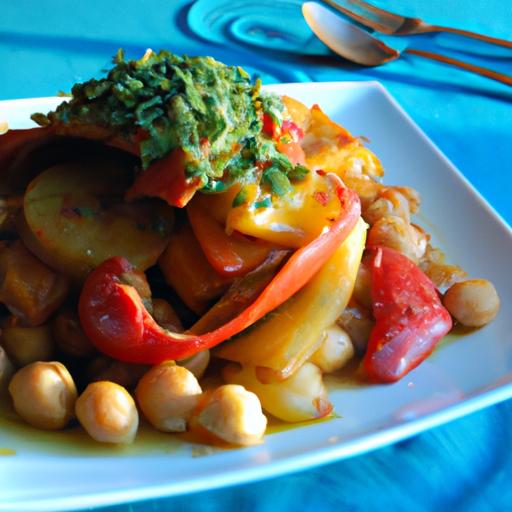

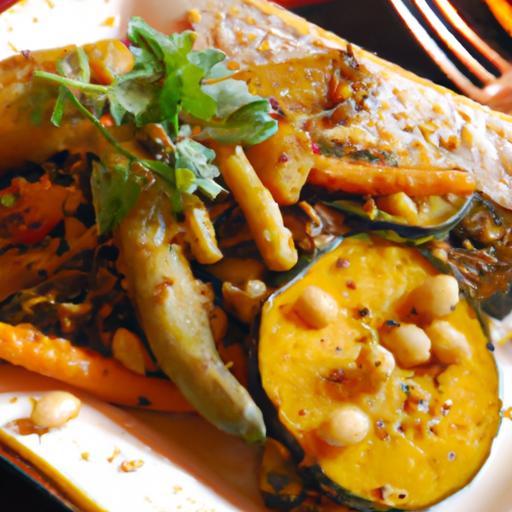
In the heart of North African kitchens, where spices dance in the air and colors come alive with every simmer, the vegetable tagine reigns supreme as a celebration of tradition and taste. This iconic dish, slow-cooked to tender perfection in a conical clay pot, is more than just a meal-it’s a story told through layers of fragrant vegetables, earthy spices, and a splash of warmth that instantly transports you to bustling Moroccan souks and serene desert evenings. Whether you’re a seasoned cook or a curious foodie, savoring an authentic vegetable tagine invites you to explore a tapestry of flavors that are as rich in history as they are in aroma. Join us as we uncover the secrets behind this culinary treasure and guide you step-by-step to creating your own masterpiece that honors every vibrant bite.
Savor the Flavors: A Guide to Authentic Vegetable Tagine
savor the flavors of an authentic vegetable tagine-an extraordinary dish that transports you to the vibrant souks of Morocco with each aromatic bite. Rooted in centuries-old traditions, this slow-cooked vegetable medley embraces a symphony of fresh produce, exotic spices, and rich textures, delivering warmth and soulfulness that comfort the heart and excite the palate.
Prep and Cook Time
- preparation: 20 minutes
- Cooking: 1 hour 15 minutes
- Total: 1 hour 35 minutes
Yield
- Serves 6 generous portions
Difficulty Level
- Medium – Perfect for adventurous home cooks eager to master authentic North African cuisine
Ingredients
- 2 tbsp olive oil, plus extra for drizzling
- 1 large onion, thinly sliced
- 3 garlic cloves, minced
- 2 medium carrots, peeled and cut into thick rounds
- 1 large sweet potato, peeled and cubed
- 1 small butternut squash, peeled and diced
- 1 red bell pepper, deseeded and chopped
- 1 zucchini, sliced into half-moons
- 1 cup cherry tomatoes, halved
- 100g green beans, trimmed and halved
- 1 can (400g) chickpeas, drained and rinsed
- 1 cup vegetable broth
- 2 tsp ground cumin
- 2 tsp ground coriander
- 1 tsp ground cinnamon
- 1 tsp smoked paprika
- 1/2 tsp turmeric
- 1/2 tsp ground ginger
- Salt and freshly ground black pepper, to taste
- Fresh cilantro and parsley, chopped for garnish
- Juice of 1 lemon
- Optional: A handful of dried apricots, halved, for a subtle sweetness
Instructions
- Heat the olive oil in a heavy-bottomed tagine or large Dutch oven over medium heat.
- Add the sliced onion and sauté until translucent and just beginning to caramelize, about 7 minutes, stirring frequently to prevent burning.
- Stir in garlic and cook for an additional 1 minute until fragrant.
- Incorporate the spices-cumin, coriander, cinnamon, smoked paprika, turmeric, and ginger. Toast them for 1-2 minutes to unlock their deep aromas, stirring continually.
- Add the carrots, sweet potato, butternut squash, and bell pepper. Toss to coat the vegetables evenly with the spiced onion mixture.
- Pour in the vegetable broth and bring to a gentle simmer.Cover and let the vegetables cook for 25-30 minutes, or until they begin to soften but still retain some firmness.
- Add zucchini, green beans, cherry tomatoes, chickpeas, and dried apricots (if using). Stir gently to combine without breaking the vegetables.
- Cover again and continue cooking on low heat for 20-25 minutes until all vegetables are tender and infused with spices.
- Finish by stirring in lemon juice and adjusting salt and pepper to taste.Let the flavors meld for 5 minutes off heat with the lid slightly ajar.
- Serve hot, garnished with freshly chopped cilantro and parsley. Drizzle a bit of olive oil on top for a glossy finish.
Chef’s Notes: Tips for Success
- Vegetable Variations: Feel free to swap in seasonal produce like eggplant, potatoes, or fennel based on availability. Root vegetables add heartiness while soft squash varieties provide velvety sweetness.
- Spice Balance: Adjust the spice levels gently if you prefer more warmth or subtlety. Using fresh ground spices elevates the dish significantly.
- Make-Ahead: This tagine tastes even better the next day! Prepare it in advance, refrigerate overnight, and reheat slowly while stirring in a splash of broth if needed.
- Using a Conventional Tagine: If you’re cooking with an authentic clay tagine pot, soak the base in water for 30 minutes before use to prevent cracking and allow slow, even cooking.
- Tip for Sautéing: Stir often when softening onions and spices to avoid bitterness from burning.
Serving Suggestions
Present your vegetable tagine in a rustic deep dish or directly from the tagine pot, encouraging communal style dining. accompany it with fluffy couscous or warm homemade flatbreads to soak up the luscious sauce. A side of spicy harissa paste or cool minted yogurt dolloped atop adds an exciting contrast. Garnish generously with pomegranate seeds or toasted almonds for added texture and color, elevating both taste and visual appeal.

Nutritional Data
| per Serving | Calories | Protein | Carbs | Fat |
|---|---|---|---|---|
| Vegetable Tagine | 280 kcal | 8g | 45g | 7g |
For a deeper dive into the history and cultural meaning of tagines,visit the Encyclopaedia Britannica.
Q&A
Q&A: savor the Flavors – A Guide to Authentic Vegetable Tagine
Q1: What exactly is a vegetable tagine?
A1: A vegetable tagine is a fragrant, slow-cooked North African stew named after the distinctive conical clay pot it’s traditionally prepared in. It’s a symphony of fresh vegetables, aromatic spices, and sometimes dried fruits or nuts, melding together in tender harmony. This dish celebrates the bounty of vegetables with a soul-warming melody of flavors.
Q2: What makes a tagine different from other stews?
A2: The magic lies in the tagine pot itself. Its conical lid traps steam and gently returns condensation to the dish, cooking ingredients slowly and intensifying flavors without drying out. This gentle approach results in a dish that’s deeply infused with spices and produces melt-in-your-mouth textures you won’t find in regular stews.
Q3: Which vegetables work best in an authentic vegetable tagine?
A3: Traditional vegetable tagines often include hearty root vegetables like carrots and sweet potatoes,alongside zucchini,eggplant,tomatoes,and bell peppers. Chickpeas add substance and a mild nuttiness. Seasonal mushrooms or squash can also add luxurious textures, making each tagine uniquely vibrant.
Q4: What are the essential spices that bring a vegetable tagine to life?
A4: The cornerstone spices include ground cumin, coriander, turmeric, and cinnamon. A pinch of saffron or ras el hanout-a Moroccan spice blend-elevates the dish with warmth and complexity. Fresh herbs like cilantro and parsley add luminous, fragrant notes at the end, balancing the deep spiced richness.
Q5: Can I make a vegetable tagine without a traditional tagine pot?
A5: Absolutely! While a tagine pot enhances authenticity, a heavy-bottomed Dutch oven or any wide, lidded casserole dish works beautifully. The key is slow cooking over low heat, allowing flavors to mingle and vegetables to soften gradually, replicating the traditional tagine experience.
Q6: How do dried fruits and nuts contribute to the dish?
A6: Raisins, apricots, or dates add subtle sweetness that contrasts beautifully with savory spices, creating that characteristic Moroccan flavor balance. Toasted almonds or pine nuts introduce a pleasant crunch and richness, elevating texture and depth in each bite.
Q7: What are some perfect accompaniments for vegetable tagine?
A7: Serve your tagine over fluffy couscous, fragrant with lemon zest and fresh herbs, or with warm, homemade flatbreads to soak up every luscious drop. A side of tangy yogurt or a crisp salad with preserved lemons can refresh the palate and complete the meal magnificently.
Q8: Can vegetable tagine be made vegan and gluten-free?
A8: Definitely! This dish naturally embraces plant-based eating.Just ensure any broth used is vegetable-based, and choose gluten-free grains like millet or quinoa if avoiding gluten. it’s a wonderfully inclusive dish that nourishes both body and soul.
Q9: How long does it take to prepare and cook an authentic vegetable tagine?
A9: Prep time usually ranges from 20 to 30 minutes-chopping veggies and blending spices-while the slow cooking can last anywhere from 45 minutes to 1.5 hours. Patience rewards you with tender, deeply flavored vegetables that tell a story with each bite.
Q10: Why should I try making vegetable tagine at home?
A10: Cooking an authentic vegetable tagine invites you into a centuries-old culinary tradition filled with warmth, spice, and heart. It’s more than a meal; it’s a comforting ritual that transforms humble vegetables into a feast of colors, aromas, and tastes-an edible journey to the vibrant markets and sun-soaked kitchens of Morocco. Give yourself the gift of slow cooking and savor every soulful spoonful.
Final Thoughts
As the fragrant steam rises from your bowl of vegetable tagine, you’re not just tasting a dish-you’re savoring centuries of tradition, culture, and culinary artistry. This guide has unfolded the layers behind each vibrant vegetable, spice, and slow-cooked moment, inviting you to bring a piece of morocco’s heart into your kitchen. Whether you’re a seasoned cook or a curious food lover, authentic vegetable tagine offers a feast for the senses and a soulful connection to a timeless heritage. So go ahead-ignite your stove, gather your ingredients, and let the symphony of flavors transport you to sun-drenched markets and warm, welcoming tables. Your journey to savoring authentic vegetable tagine starts now.