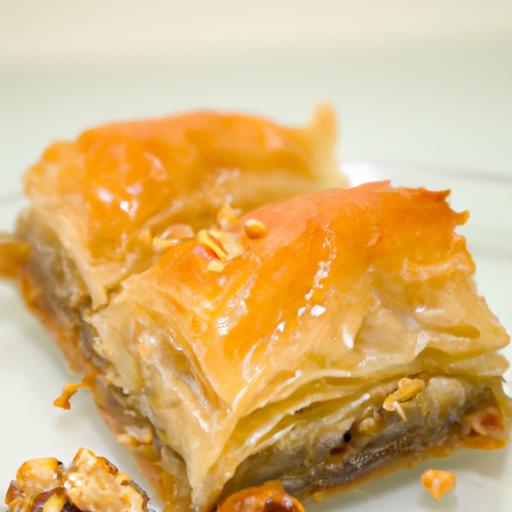

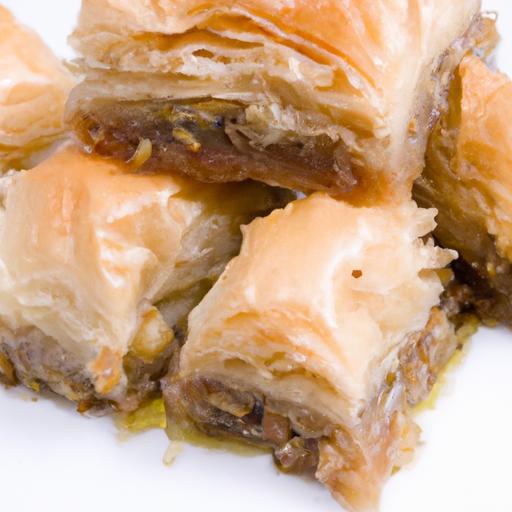
Nestled within the delicate layers of flaky pastry and dripping with golden honey, baklava is more than just a dessert-it’s a story. A story that stretches across centuries, cultures, and continents, whispering tales of ancient kitchens where almond-studded sweetness first took shape. In “Baklava Unwrapped: The Sweet History of a Timeless Treat,” we peel back the sticky, syrup-soaked layers to reveal the rich tapestry of heritage, tradition, and artistry behind this beloved confection. Join us on a journey through time and taste, as we explore how baklava became an enduring symbol of party and indulgence across the world.
Baklava Unwrapped: The Sweet History of a Timeless Treat
Baklava unwrapped reveals a journey that spans centuries, cultures, and kitchens filled with the irresistible aroma of cinnamon, honey, and toasted nuts. This iconic dessert, with its masterful layering and honeyed sweetness, has made an unforgettable impact on palates around the world. From its ancient origins in Ottoman and Byzantine lands to the nuanced variations enjoyed today, baklava invites us into a rich cultural tapestry that’s both historic and delicious.
Prep and Cook Time
- Preparation: 45 minutes
- Cooking: 50 minutes
- Cooling and soaking: 4 hours (or overnight)
Yield
Makes approximately 24 pieces (serves 8-10)
Difficulty Level
Medium – Requires patience and attention to layering, but is very rewarding.
Ingredients
- 1 package (16 oz) phyllo dough, thawed according to package instructions
- 2 cups mixed nuts (traditionally walnuts, pistachios, and almonds), finely chopped
- 1 cup unsalted butter, melted
- 1 tsp ground cinnamon
- 1 cup granulated sugar
- 1 cup water
- 1/2 cup honey
- 1 tsp lemon juice
- 1 tsp vanilla extract
Instructions
- Preheat your oven to 350°F (175°C). Prepare a 9×13 inch baking dish by brushing it thinly with melted butter.
- Prepare the nut mixture: In a bowl, combine finely chopped nuts and ground cinnamon. Set aside.
- Layer the phyllo: Carefully unroll the phyllo dough sheets. Cover with a damp kitchen towel to prevent drying. Place one sheet in the baking dish and brush generously with melted butter. Repeat layering and buttering for 8 sheets.
- Add a thin layer of the nut mixture evenly across the phyllo base.
- Continue layering: Add 4 more sheets of phyllo one by one, buttering each layer. Then sprinkle another nut layer. Repeat alternating layers of phyllo and nuts, finishing with 8 to 10 phyllo sheets on top, buttering each.
- Cut the unbaked baklava into diamond or square shapes with a sharp knife before baking to ensure clean servings.
- Bake for 50 minutes or until the top is golden and crisp.
- Prepare the syrup: While baking, bring sugar and water to a boil. Reduce heat, add honey, lemon juice, and vanilla extract. Simmer for 10 minutes, then cool slightly.
- Pour the syrup evenly over the hot baklava instantly once removed from the oven. Allow to soak at room temperature for at least 4 hours or overnight for the best flavour and texture.
Tips for Success
- Filo dough handling: Always keep phyllo covered with a damp towel to prevent drying and tearing.
- butter request: Don’t skimp on butter – it’s essential for the signature flakiness and golden color.
- Nut variations: Feel free to substitute or combine pecans and hazelnuts to add a contemporary twist while preserving tradition.
- Syrup consistency: The syrup should be thick enough to coat but not too dense; adding lemon juice balances the honey’s sweetness and avoids crystallization.
- Make ahead: Baklava tastes even better the next day once the syrup has fully penetrated the layers.
Savoring Baklava Pairings
The rich, honey-soaked layers serve wonderfully alongside strong Turkish coffee or cup of spiced tea, complementing the nutty sweetness with bold bitterness.For a modern twist, try pairing your baklava with a dollop of whipped mascarpone cream or a scoop of vanilla bean ice cream. Garnish with extra chopped pistachios or a sprinkle of edible rose petals, elevating each bite into an experiance of both elegance and comfort.

Nutritional Information per Serving
| Calories | Protein | Carbs | Fat |
|---|---|---|---|
| 290 kcal | 5 g | 30 g | 18 g |
For more on phyllo dough techniques, visit our homemade phyllo dough tutorial. To dive deeper into baklava’s background, the Encyclopedia Britannica offers an excellent thorough overview of its history and variations worldwide.
Q&A
Q&A: Baklava Unwrapped – The Sweet History of a Timeless Treat
Q1: What exactly is baklava?
A1: Baklava is a luscious pastry made from layers of thin, flaky phyllo dough, generously filled with chopped nuts-typically walnuts, pistachios, or almonds-and drenched in a fragrant honey or sugar syrup. Each bite offers a perfect harmony of crispiness, nuttiness, and sweetness, making it a beloved dessert across many cultures.
Q2: Where did baklava originate?
A2: The origins of baklava are delightfully complex and much debated! While it is widely associated with the Ottoman Empire, the pastry’s roots can be traced back to ancient Mesopotamia and the cuisines of the Byzantine and Persian Empires. Over centuries, baklava evolved and was embraced by various cultures spanning from the Middle East to the Balkans.
Q3: How did baklava become a cultural symbol?
A3: baklava is more than just a dessert; it’s a celebration of tradition and hospitality. In many cultures, serving baklava during special occasions-like religious festivals, weddings, and holidays-symbolizes generosity and joy. its intricate layers mirror the rich, interconnected histories of the regions that cherish it.
Q4: Why is phyllo dough so essential to baklava?
A4: Phyllo dough is the canvas that brings baklava’s magic to life. Made from stretched,paper-thin sheets of unleavened dough,it bakes into a delicate,crispy texture that contrasts beautifully with the rich,sticky nut filling and syrup. The art of layering and brushing butter between dozens of sheets requires patience and skill, making baklava a true labor of love.
Q5: are there different variations of baklava around the world?
A5: Absolutely! From the pistachio-packed baklava of Turkey to the walnut-heavy versions in Greece, and even nut-free renditions in some regions, each culture adds its unique twist. Some versions incorporate spices like cinnamon or clove, others drizzle rosewater or orange blossom honey for a fragrant finish. These nuanced differences tell their own delicious stories.
Q6: How has baklava influenced contemporary desserts?
A6: Baklava’s timeless appeal has inspired many modern interpretations – think baklava ice cream, baklava cupcakes, and even baklava cheesecake! Chefs worldwide are experimenting by infusing traditional flavors with new textures and presentations, keeping the spirit of this ancient treat alive and thriving in today’s culinary landscape.
Q7: What is the best way to enjoy baklava?
A7: Baklava is at its peak when enjoyed fresh, slightly warm or at room temperature, allowing the syrup to seep just right through the layers. pair it with a strong, bitter coffee or a cup of fragrant tea to balance its sweetness and fully savor its intricate flavors.
Q8: Can baklava be made at home?
A8: Yes-but be ready for a rewarding challenge! Making baklava involves preparing or sourcing delicate phyllo dough, chopping nuts finely, and creating the perfect syrup. While it requires time and care, the process is a beautiful way to connect with an age-old culinary tradition and delight your senses with homemade sweetness.
Whether you’re a curious foodie or a devoted dessert lover, unwrapping the story of baklava reveals layers of history, culture, and craftsmanship-all wrapped up in one irresistibly sweet bite.
Final Thoughts
As the final flaky layer melts away, baklava reveals more than just its luscious, honeyed taste-it unwraps centuries of cultural stories, shared traditions, and the artful patience of countless hands. This timeless treat, with its blend of crisp pastry, fragrant nuts, and syrupy sweetness, is not merely a dessert but a bridge across regions and generations. So next time you savor a piece of baklava, remember you’re indulging in a rich tapestry of history, woven delicately through every golden bite. Truly, baklava is more than a sweet-it’s a delicious legacy waiting to be unwrapped, again and again.