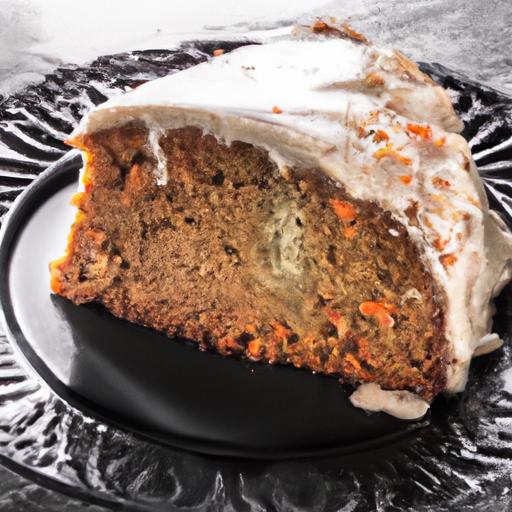

Beneath its golden, spiced surface and velvety cream cheese frosting lies a dessert steeped in tradition and rich with stories-welcome to teh world of the carrot cake. Often celebrated as a humble treat, the carrot cake carries a engaging legacy that weaves through centuries of culinary evolution, from medieval Europe’s clever use of sweet vegetables to modern-day indulgence. In this article, Carrot Cake Chronicles: Sweet History and Baking Tips Unveiled, we embark on a journey to uncover the origins of this beloved dessert while sharing expert baking secrets that will help you create a perfectly moist, flavorful masterpiece every time. Whether you’re a seasoned baker or a curious sweet tooth, prepare to savor the layers of history and technique behind one of the kitchen’s most charming confections.
Carrot Cake Chronicles offers a rich tapestry of history and culinary innovation, tracing the humble origins of this beloved dessert to medieval Europe, where carrots were used as sweeteners long before refined sugar became commonplace. Over centuries, carrot cake evolved into a modern classic celebrated for its moist texture and warm spices, inspiring countless home bakers and professionals alike to experiment with unique ingredients and techniques that elevate flavour and visual appeal.
Prep and Cook Time
- readiness: 20 minutes
- Baking: 40-45 minutes
- Cooling: 30 minutes
yield
Serves 10 to 12 generous slices
Difficulty Level
Medium – Perfect for bakers with some experience seeking to master moisture and texture.
Ingredients
- 2 cups all-purpose flour, sifted
- 1 ½ tsp baking powder
- 1 tsp baking soda
- 1 ½ tsp ground cinnamon
- ½ tsp ground nutmeg
- ¼ tsp ground ginger
- ½ tsp fine sea salt
- 1 cup light brown sugar, packed
- ½ cup granulated sugar
- 3 large eggs, at room temperature
- 1 cup vegetable oil or refined coconut oil
- 2 tsp pure vanilla extract
- 3 cups finely grated fresh carrots (about 4-5 medium)
- 1 cup crushed pineapple, drained
- ½ cup chopped walnuts or pecans (optional)
- ½ cup shredded sweetened coconut (optional)
- 1 tsp freshly grated lemon zest (optional, for brightness)
Instructions
- Preheat your oven to 350°F (175°C). Grease and flour two 9-inch round cake pans or line with parchment paper for easy release.
- In a large bowl, whisk together the sifted flour, baking powder, baking soda, cinnamon, nutmeg, ginger, and salt until evenly combined.
- In a separate bowl, beat the eggs with brown sugar and granulated sugar until smooth and glossy, about 2-3 minutes using an electric mixer.
- Slowly stream in the oil while continuing to beat, followed by the vanilla extract.this emulsifies the batter and ensures moist crumb.
- Fold in the dry ingredients gently using a spatula, combining just until no flour streaks remain. Avoid overmixing to keep tenderness intact.
- Stir in the grated carrots, crushed pineapple, nuts, coconut, and lemon zest (if using), distributing them evenly throughout the batter.
- Divide the batter evenly between prepared pans and smooth the surfaces with a spatula.
- Bake for 40 to 45 minutes, rotating halfway through.Check doneness by inserting a toothpick in the center; it should come out with moist crumbs but no raw batter.
- Cool the cakes in pans for 15 minutes, then turn onto wire racks to cool completely before frosting.
Tips for Success
- Grate carrots finely: This ensures they meld seamlessly into the batter, contributing moisture without fibrous texture.
- Use room temperature eggs: They blend better with sugar and oil, creating a lighter cake.
- Drain pineapple well: Excess liquid can weigh down the batter, causing a denser cake.
- For extra moistness, swap half the oil for unsweetened applesauce, reducing fat without sacrificing texture.
- Make-ahead option: Bake layers a day ahead, wrap tightly, and refrigerate. Bring to room temperature before frosting.
- Want a refined crumb? Sifting dry ingredients and gentle folding are key.
Serving Suggestions
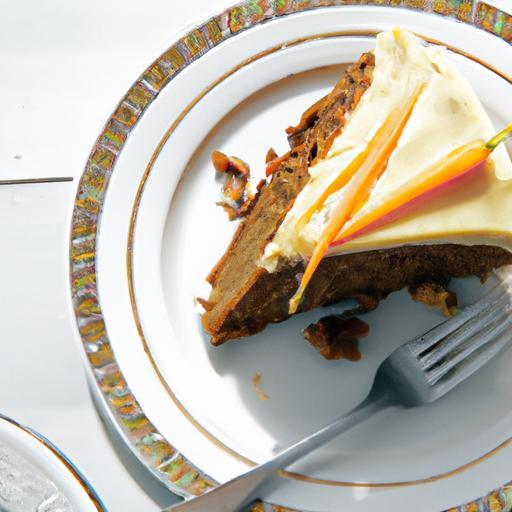
This carrot cake is divine when adorned with a luscious cream cheese frosting, silky and tangy to balance the warm spices. For a charming finish, pipe rosettes using a star tip, and sprinkle with chopped toasted walnuts and a light dusting of cinnamon. Fresh edible flowers, such as pansies or violets, can add a delicate, colorful touch that makes each slice a feast for the eyes. Pair each serving with a cup of chai tea or spiced coffee to enhance the spice aromas.
| Nutrient | Per Serving |
|---|---|
| Calories | 320 kcal |
| Protein | 4 g |
| Carbohydrates | 40 g |
| Fat | 16 g |
drawing upon centuries-old traditions combined with contemporary baking science, this recipe exemplifies how carrot cake chronicles continue to inspire both flavor and technique. For further insights into spice pairings and frosting mastery, check out our Ultimate Cream Cheese frosting Guide.
Explore more about the fascinating history of dessert evolution on Britannica’s Baking Archives, a comprehensive source for culinary origins and practices.

Q&A
Q&A: Carrot Cake Chronicles – Sweet History and Baking Tips Unveiled
Q1: What is the origin story behind carrot cake?
A: Carrot cake’s roots stretch back to medieval Europe, where sweeteners were scarce and carrots served as a natural source of sugar. Early recipes featured grated carrots blended into dense, spiced breads. This humble dessert slowly evolved, crossing continents and centuries until it blossomed into the creamy, luscious cakes we adore today.
Q2: Why were carrots used in cakes historically?
A: Before refined sugar was widely available, peopel relied on naturally sweet ingredients like carrots to add moisture and sweetness to baked goods. Carrots contain natural sugars and impart a subtle earthiness that complements warming spices, creating a rich flavor profile without overpowering the palate.
Q3: What makes carrot cake different from other spiced cakes?
A: Unlike other spiced cakes, carrot cake balances a medley of textures and tastes-moist shredded carrots, crunchy nuts, and sometimes bursts of raisins or pineapple. This interplay, crowned with a tangy cream cheese frosting, creates a layered, multidimensional experience that delights both the eyes and the taste buds.
Q4: Any secrets to achieving the perfect carrot cake texture?
A: Absolutely! To achieve that ideal moist yet sturdy crumb, grate carrots finely but avoid overprocessing them into a puree. Use fresh carrots for shining flavor, and incorporate oil instead of butter for moisture retention. resist the urge to overmix; gentle folding preserves airiness, ensuring your cake remains tender.
Q5: What spices truly elevate the carrot cake flavor?
A: Classic spices like cinnamon, nutmeg, and ginger are essential, weaving a warm, aromatic tapestry. some bakers add a pinch of cardamom or allspice for an exotic twist. The key is balance-spices should enhance the carrot’s natural sweetness without masking it.
Q6: Can carrot cake be made gluten-free or vegan without losing charm?
A: Yes! Swapping conventional flour for almond or oat flour works beautifully to maintain texture. For vegan versions, flax or chia eggs replace chicken eggs, and plant-based oils keep the batter moist. Cream cheese frosting can be reinvented with cashew cream or coconut-based alternatives, sustaining that silky tang.
Q7: What’s the best way to store carrot cake?
A: Since carrot cake is moist and frosting can spoil, refrigeration is your friend. Wrap the cake tightly with plastic wrap or store in an airtight container to lock in moisture and prevent drying. Properly stored,it can stay fresh and flavorful for up to 5 days. For longer storage,carrot cake freezes exceptionally well-just thaw slowly in the fridge before serving.
Q8: Any fun past tidbits about carrot cake?
A: Interestingly, carrot cake gained massive popularity during World War II as a “wartime cake” because ingredients like butter and sugar were rationed. Carrots provided the sweetness, helping families to celebrate special occasions even amidst scarcity.This pragmatic origin adds a layer of heartfelt resilience to every slice.
Whether you’re a history buff or an aspiring baker, the carrot cake chronicles invite you to taste the legacy of sweetness and spice-one tasty bite at a time.
To Conclude
As we close the chapter on the delightful journey through the Carrot Cake Chronicles, it’s clear that this humble dessert carries more than just sweetness-it carries history, culture, and a sprinkle of culinary ingenuity.From its roots in medieval Europe to the modern-day kitchen, carrot cake continues to evolve, inviting bakers of all levels to experiment and make it thier own. Whether you prefer it dense and spiced or light and fluffy, armed with these baking tips and historical tidbits, your next slice promises to be more than just a treat-it’s a delicious story waiting to be savored. So go ahead, whisk that batter, and let every bite be a party of tradition and taste combined.