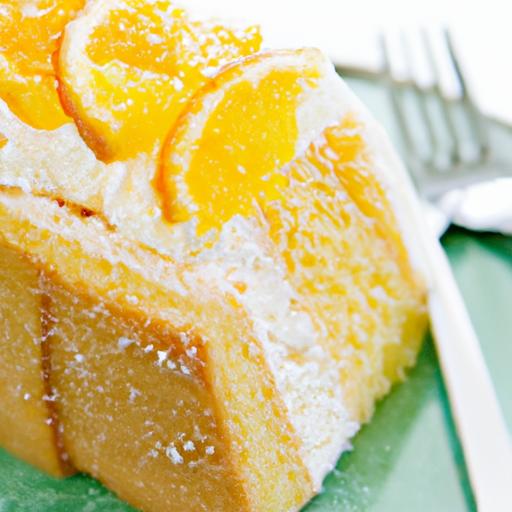

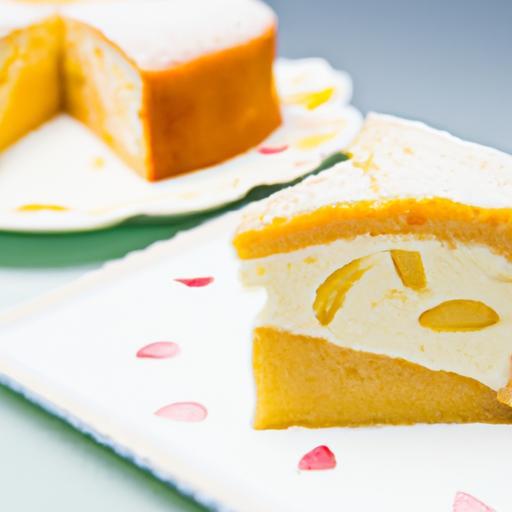
In the vast and vibrant landscape of Chinese cuisine, where bold flavors and intricate techniques reign supreme, there exists a delicate treasure that whispers of simplicity and elegance: the Chinese sponge cake. Known for its ethereal lightness and tender crumb, this “Fluffy Delight” transcends the ordinary, inviting both novice bakers and seasoned food lovers on a journey into the artful world of texture and taste. More than just a dessert, the Chinese sponge cake embodies centuries of culinary tradition, blending meticulous craftsmanship with a subtle sweetness that melts effortlessly on the tongue. Join us as we unravel the secrets behind its airy perfection, explore its cultural importance, and celebrate the timeless allure of this iconic treat.
Fluffy Delight is a party of the ethereal, cloud-like texture that defines the beloved chinese Sponge Cake, a dessert steeped in history and imbued with cultural warmth. Originating in the bustling streets of Guangdong province during the mid-20th century, this humble cake evolved from European sponge influences, refined by generations of skilled bakers to create something uniquely Chinese-a silky, airy marvel that melts effortlessly on the tongue.
The artistry behind achieving that perfect fluff hinges on time-honored techniques passed down through family kitchens and specialty bakeries. Every fold of the batter, every whisk of the egg whites, is integral in creating the marvellous rise and delicate crumb. This cake is more than a dessert; it represents celebration and togetherness, frequently enough served during festivals and joyous occasions as a symbol of lightness, purity, and prosperity.
Prep and Cook Time
- Preparation: 20 minutes
- Baking: 25 minutes
- Total time: 45 minutes
Yield
Serves 8-10 slices
Difficulty Level
Medium: Requires careful folding techniques and precision with egg whites
ingredients
- 6 large eggs, separated (room temperature)
- 1 cup granulated sugar, divided
- ¾ cup cake flour, sifted
- 2 tablespoons milk, warmed
- 2 tablespoons vegetable oil
- 1 teaspoon vanilla extract
- ¼ teaspoon cream of tartar
- Pinch of salt
Instructions
- Preheat your oven to 320°F (160°C). Line an 8-inch round cake pan with parchment paper; do not grease the pan to help the cake climb and rise.
- Prepare the egg yolk mixture: In a large bowl, whisk together the egg yolks and half the sugar (½ cup) until the mixture becomes pale and slightly thickened-this intensifies the cake’s richness.
- Add the oil, milk, and vanilla extract to the yolk mixture and stir until fully combined, ensuring a smooth consistency.
- Sift the cake flour over the wet ingredients and gently fold in with a spatula until no streaks of flour remain-be cautious not to overmix or deflate your batter.
- Whip the egg whites: in a separate clean bowl, add the cream of tartar and pinch of salt to the egg whites. Beat on medium speed until soft peaks form, then gradually add the remaining ½ cup sugar and continue to whip until stiff, glossy peaks appear. This step is crucial for the cake’s signature fluff.
- Incorporate the meringue: Gently fold one-third of the whipped egg whites into the yolk batter to lighten it. Then carefully fold in the remaining whites in two additions, using a wide spatula and a gentle lifting motion to preserve air bubbles.
- Pour the batter into the prepared pan, gently tapping it on the counter to release large air bubbles but without disturbing the aeration.
- Bake for 25 minutes or until the cake springs back lightly when pressed and a skewer inserted in the center comes out clean.
- Cool the cake upside down (using bottle necks or a wire rack setup) in the pan for 30 minutes to maintain its height and prevent collapse.
- Release the cake from the pan, peeling away parchment carefully before slicing.
Tips for Success
- Room Temperature eggs: Using eggs at room temperature helps them whip better, creating a higher volume meringue essential for the cake’s lightness.
- Folding Technique: Avoid stirring; fold slowly to maintain trapped air bubbles. Use a rubber spatula and a figure-eight motion for the gentlest touch.
- Pan Preparation: Do not grease your pan. The batter needs to cling to the sides to help it ascend as it bakes.
- Variations: Add a squeeze of fresh citrus zest or a light dusting of matcha powder to the batter for subtle, modern twists.
- Make-ahead: This cake can be stored in an airtight container at room temperature for up to 2 days or wrapped tightly and frozen for up to a week. Defrost in the fridge and serve at room temperature.
Serving Suggestions
This airy delight is perfect when dusted with a light coating of powdered sugar or served alongside fresh berries and a dollop of whipped cream. For a more traditional experience, enjoy it with a cup of fragrant jasmine tea, allowing the floral notes to harmonize with the cake’s delicate sweetness. For festive occasions, layer thin slices with red bean paste or a splash of coconut milk for an extra layer of richness.

| Nutrient | Per serving (1 slice) |
|---|---|
| Calories | 170 kcal |
| Protein | 5 g |
| Carbohydrates | 27 g |
| Fat | 4 g |
For a deeper dive into traditional Asian baking and modern adaptations, explore our related guide on Asian Pastry Techniques. To understand the science behind sponge cakes, see this comprehensive egg foams guide by King Arthur Baking.
Q&A
Q&A: Fluffy Delight – Exploring the Art of Chinese Sponge Cake
Q1: What exactly is a Chinese sponge cake?
A1: Chinese sponge cake, often known as “Ma Lai Gao” (馬拉糕), is a soft, airy, and slightly sweet steamed cake. Unlike western baked cakes, it achieves its delicate fluffiness through steaming rather than baking, resulting in a moist texture that melts in your mouth. It’s a beloved traditional dim sum staple with a subtle caramel aroma and a golden hue.
Q2: How does Chinese sponge cake differ from other sponge cakes?
A2: The key difference lies in its ingredients and cooking method.While Western sponge cakes rely on creamed butter and eggs baked to achieve fluffiness, Chinese sponge cake uses a combination of eggs, sugar, flour, and often a hint of evaporated milk or coconut milk. It’s steamed gently, allowing the batter to rise slowly and form a tender crumb without crust, giving it a uniquely soft and dense yet airy feel.
Q3: What’s the secret behind its signature fluffiness?
A3: The magic comes from the careful beating of eggs and sugar into a pale, thick foam, trapping air bubbles that expand during steaming. Additionally, some recipes include a leavening agent like baking powder to help the cake rise evenly. The gentle steaming process preserves these bubbles, creating that iconic cloud-like texture.
Q4: Can you describe the flavor profile of a traditional Ma Lai Gao?
A4: Ma Lai Gao is subtly sweet with a warm, caramelized note, frequently enough enhanced by the use of brown sugar or palm sugar. The flavor is mild and comforting, allowing it to pair wonderfully with strong teas or savory dim sum dishes. Its simplicity is part of its charm – pure and unpretentious.
Q5: What cultural significance does the Chinese sponge cake hold?
A5: More than just a dessert, Ma Lai Gao symbolizes warmth and hospitality in Cantonese culture. It’s often served during festive occasions and family gatherings, representing togetherness and the sweetness of life. in dim sum restaurants, it’s a nostalgic favorite that connects generations, evoking memories of tradition and home.
Q6: Are there variations of Chinese sponge cake across different regions?
A6: Absolutely! While the Cantonese version is the most famous, other regions offer their own spins. For instance, some include coconut milk for a tropical twist, while others incorporate lotus seed paste or red bean fillings. Texture may also vary from extra light and airy to slightly denser, depending on local preferences and steaming styles.Q7: How can a home cook attempt making chinese sponge cake?
A7: Patience and technique are key! Start by beating eggs and sugar until thick and fluffy,then gently fold in sifted flour and your choice of milk.Prepare a steamer with boiling water and steam the batter in a greased pan for about 25-30 minutes at medium heat. Resist peeking too often; the steam’s gentle embrace is what gives the cake its signature softness.
Q8: What’s the best way to enjoy Chinese sponge cake?
A8: Enjoy it warm, fresh from the steamer, paired with a fragrant cup of jasmine or pu-erh tea.Its mild sweetness balances perfectly with tea’s subtle bitterness. It also works wonderfully as a snack throughout the day or as a comforting finish to a dim sum feast.
Q9: Why is Chinese sponge cake considered an “art”?
A9: Creating the perfect fluffy delight requires more than just following a recipe-it demands understanding the delicate balance of ingredients, mastering the egg-beating technique, and controlling the steaming environment. Each step reflects centuries of culinary craftsmanship, making it a true edible art form that celebrates texture, flavor, and tradition in every bite.
Concluding Remarks
as we close the chapter on the delicate world of Chinese sponge cake, or “Fluffy Delight,” it’s clear that this ethereal treat is much more than just a dessert-it’s a celebration of texture, tradition, and technique. From the careful folding of egg whites to the gentle steam that transforms simple ingredients into a cloud-like masterpiece, each step is a testament to the artistry embedded in Chinese baking. Whether savored at a bustling dim sum table or crafted lovingly at home, this cake invites us to appreciate the harmony of lightness and flavor. So next time you bite into a slice of this spongy marvel, remember you’re tasting centuries of culinary finesse-an art form as fleeting and beautiful as the cake itself.