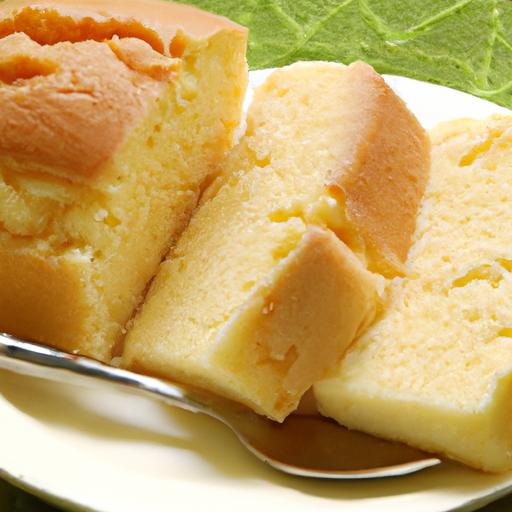

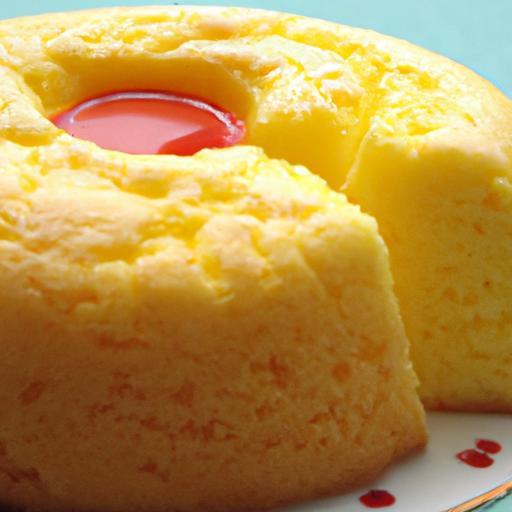
In the world of desserts, few treats capture the magical simplicity and airy elegance of the Chinese sponge cake, a confection that has delighted taste buds for generations. Known for its irresistibly light texture and subtly sweet flavour, this delicacy-often called “Fluffy Delight”-is more than just a cake; it’s a testament to the artistry and tradition embedded in Chinese baking. But what makes an authentic Chinese sponge cake so uniquely delicate? What secrets lie behind its pillowy softness and melt-in-the-mouth charm? Join us on a journey through steam, sugar, and flour as we uncover the timeless techniques and cultural nuances that bring this beloved sponge cake to life, revealing why its ethereal texture continues to enchant dessert lovers worldwide.
Fluffy Delight begins with an intimate dance between carefully chosen customary ingredients and delicate technique, crafting an ethereal Chinese sponge cake that floats on the palate like a whisper. This iconic dessert, cherished across generations, owes its signature lightness and springy texture to a balance of simplicity and precision. From the silky egg whites whipped into cloud-like meringue to the gentle folding that preserves precious air bubbles, every step is a tribute to the art of baking with heart and heritage.
Prep and Cook Time
- Preparation: 20 minutes
- Baking: 25 minutes
- Total: 45 minutes
Yield
Serves 8 delightfully fluffy slices
Difficulty level
Medium – requires careful technique but is rewarding and approachable
Ingredients
- 4 large eggs, separated
- 1 cup (120g) cake flour, sifted
- 3/4 cup (150g) granulated sugar, divided
- 1/4 cup (60ml) whole milk, room temperature
- 1/4 cup (60ml) vegetable oil
- 1/2 tsp cream of tartar
- 1 tsp vanilla extract
- Pinch of salt
Instructions
- Preheat your oven to 320°F (160°C).Line an 8-inch round cake pan with parchment paper, ensuring the bottom and sides are covered for easy release.
- In a large bowl,whisk the egg yolks with 1/2 cup sugar until pale and thick. Gradually add milk, vegetable oil, and vanilla extract, blending smoothly with a hand whisk.
- Sift the cake flour
- In a separate, clean bowl, beat egg whites
- Take about one-third of the meringue and fold it gently into the yolk batter to lighten it.
- Carefully fold
- Pour the batter into the prepared pan, smoothing the top. Tap the pan lightly
- Bake
- Remove from oven; let the cake cool upside down in the pan for about 30 minutes to maintain height and prevent collapse.
- Gently loosen the edges with a knife and turn out onto a rack to cool completely before slicing.
Tips for Success: Mastering Fluffy Delight
- Use fresh, room temperature eggs: They whip better, creating a stable meringue with voluminous air pockets.
- Don’t rush the folding: Incorporate the meringue gently to retain the trapped air, which gives the cake its signature floaty texture.
- Measure flour accurately: Too much flour can deflate the batter and result in a denser cake.
- Soft peaks vs. stiff peaks: Achieve stiff peaks in the meringue to ensure a robust yet tender crumb structure.
- Invert while cooling: This classic method prevents shrinkage and preserves that delightful springiness in every bite.
- Experiment with flavor: Add subtle essences like almond or citrus zest for a personalized touch, but keep the base recipe intact to maintain authenticity.
Serving Suggestions
This cake shines beautifully on its own, but elevates to a stunning centerpiece when paired with fresh fruit like ripe strawberries or mango slices. Dust lightly with powdered sugar or a whisper of matcha powder for color contrast. Serve alongside a delicate jasmine tea or light herbal infusion to complement the cake’s gentle sweetness and airy crumb.
For celebrations,consider layering with whipped cream or a thin spread of kaya (coconut jam) to imbue tropical warmth and extra indulgence. Each slice invites not just a taste but a serene moment of culinary bliss.

| Nutrition (per slice) | Calories | protein | Carbs | Fat |
|---|---|---|---|---|
| 1 Slice (approx.) | 180 | 5g | 25g | 6g |
For more insights into classic Asian desserts and how to create those perfect textures, check our Traditional Asian Desserts Guide.To explore the science behind egg whites and meringue stability, visit the reputable Serious Eats explanation on meringue.
Q&A
Q&A: Fluffy Delight – The Secrets of Authentic Chinese Sponge Cake
Q: What exactly is an authentic Chinese sponge cake?
A: Imagine biting into a cloud-light, airy, and melt-in-your-mouth soft. That’s the essence of an authentic Chinese sponge cake, often known as “Ma Lai Go.” it’s a traditional Cantonese dessert renowned for its pillowy texture and subtly sweet, eggy flavor. Unlike Western sponge cakes, it has a unique fluffiness achieved through a careful balance of ingredients and steaming rather than baking.
Q: How does the steaming process influence the cake’s texture?
A: Steaming is the heartbeat of this cake’s delicate soul. Instead of dry heat, gentle steam envelops the batter, allowing it to rise slowly and evenly. This method traps moisture,resulting in a sponge that’s moist without being soggy-a contrast to the sometimes dense crumb of baked cakes. The steam creates tiny air pockets that give the cake its signature bounce and softness.Q: What are the key ingredients that make this sponge cake so special?
A: The magic lies in simplicity: eggs, sugar, flour, and a hint of milk or evaporated milk. Some recipes include a touch of brown sugar or maltose syrup, adding depth and a subtle caramel aroma. The quality and freshness of eggs are essential, as they provide structure and richness. The flour is often sifted finely to ensure the batter remains light and free of lumps.
Q: Why does the cake have such a golden hue?
A: The stunning golden color comes from the sugar caramelizing gently and the natural yellowness of the egg yolks. When brown sugar or maltose is used, it layers in warm amber tones that make the cake visually inviting, hinting at its sweet, slightly toasted flavor.
Q: Are ther any secrets to whipping the batter just right?
A: Absolutely. The air incorporated into the batter is its lifeblood.Egg whites are usually whipped separately to soft peaks, then gently folded back into the yolk mixture. This delicate folding preserves the air bubbles, which expand during steaming and give the cake its ethereal lift. Overmixing can deflate the batter,resulting in a denser texture.
Q: can the cake be flavored or customized?
A: While traditional Ma Lai go prides itself on simplicity, modern twists include infusions of pandan leaf, matcha, or even a splash of coconut milk. These additions complement the cake’s natural billowy sweetness without overpowering it.
Q: How is the authentic Chinese sponge cake traditionally served?
A: Usually enjoyed warm, fresh from the steamer, frequently enough with a cup of fragrant Chinese tea.Its lightness makes it an ideal companion to balance the bold flavors of savory dim sum or as a delicate finish to a meal.
Q: What cultural significance does the cake hold?
A: Beyond being a beloved dessert,ma Lai Go symbolizes comfort and togetherness in Cantonese culture. Its presence at tea houses, family gatherings, and celebrations reflects a heritage of communal joy and culinary craftsmanship passed down through generations.
Q: Can I make this cake at home without a steamer?
A: While a traditional bamboo or metal steamer is best,inventive home cooks use alternatives like a large pot with a rack or even an electric rice cooker with steaming function. The key is maintaining steady steam and avoiding water droplets falling onto the batter, which could mar the texture.
Q: Why has this humble sponge cake stood the test of time?
A: its enduring charm lies in simplicity elevated to mastery. Fluffy, sweet, and effortlessly elegant, the authentic Chinese sponge cake captures a culinary philosophy that values texture, technique, and taste. It’s a humble delight that continues to enchant palates around the world, reminding us that sometimes, the softest things leave the deepest impressions.
Wrapping Up
As the delicate crumb of an authentic Chinese sponge cake melts on your tongue,you’re not just tasting a dessert-you’re savoring centuries of culinary tradition,artistry,and patience. From its humble ingredients to the precise folding techniques, every step in crafting this fluffy delight is a testament to the harmony between simplicity and skill. Whether you’re a seasoned baker or an eager novice, embracing these secrets allows you to recreate a slice of cultural heritage in your own kitchen. So next time you bite into that cloud-like texture, remember: you’re experiencing more than cake-you’re partaking in a story that’s been lovingly passed down through generations, one gentle fold at a time.