
Beneath the sun-drenched skies of Southern Spain lies a culinary treasure that has long captivated palates with its vibrant flavors and cooling embrace: gazpacho. More than just a chilled soup, gazpacho is a celebration of fresh, sun-ripened ingredients blended into a harmonious symphony of taste and texture. In this article,we’ll peel back the layers of tradition and innovation to uncover the refreshing secrets behind this iconic Spanish dish. From its humble origins in Andalusian kitchens to modern reinterpretations on global menus, join us as we explore how gazpacho continues to refresh the senses and inspire food lovers around the world.
Gazpacho Uncovered: Refreshing Secrets of Spanish Cold Soup
Gazpacho Uncovered: Refreshing Secrets of Spanish Cold Soup reveals a culinary treasure deeply rooted in Spain’s sun-drenched regions.This vibrant, chilled tomato-based soup has traveled from humble Andalusian kitchens to global acclaim, winning hearts with its burst of fresh, zesty flavors on warm days. From its rustic origins as a simple blend of stale bread and garden vegetables to the refined regional variations that highlight local ingredients, gazpacho stands as a testament to Spain’s rich agricultural heritage and culinary artistry.
Prep and Cook Time
- preparation: 20 minutes
- Chilling time: 2 hours minimum
- Total time: 2 hours 20 minutes
Yield
Serves 6 generously as a refreshing starter or light lunch.
Difficulty Level
Easy – Perfect for beginners and perfect for summer entertaining!
Essential Ingredients That Define Authentic Gazpacho Flavor
- 6 ripe plum tomatoes, peeled and chopped
- 1 cucumber, peeled, seeded, and diced
- 1 green bell pepper, deseeded and chopped
- 1 small red onion, finely chopped
- 2 cloves garlic, minced
- 3 cups day-old white bread, crust removed and torn into pieces
- 1/4 cup extra-virgin olive oil
- 2 tablespoons red wine vinegar
- 1 teaspoon sea salt
- 1/2 teaspoon freshly ground black pepper
- 2 cups cold filtered water (adjust for desired consistency)
Step-by-Step Guide to Crafting the Perfect Chilled Gazpacho
- Prepare the vegetables: Thoroughly wash all produce. Peel tomatoes by scoring an X on the bottom and blanching in boiling water for 30 seconds, then immediately transferring to ice water to loosen the skin.
- Soak the bread: Place torn bread in a bowl with 1 cup of cold water. Let it soften for 10 minutes, then squeeze gently to drain, preserving the moisture but removing excess water.
- Blend ingredients: In a food processor or blender, combine tomatoes, cucumber, bell pepper, red onion, garlic, and soaked bread.Pulse until smooth but still retaining some texture; aim for a slightly chunky rather than liquid purée.
- Season the soup: Add olive oil, red wine vinegar, salt, and pepper. Blend for another 30 seconds to integrate flavors fully.
- Adjust consistency: Gradually add cold water while blending until the soup reaches your preferred thickness-a thinner, drinkable soup or a thicker, spoonable gazpacho.
- Chill: Transfer the soup to a covered container and refrigerate for at least 2 hours, allowing flavors to marry and intensify.
- Final taste test: Before serving, stir and adjust seasoning if necessary-sometimes a little more vinegar or salt brightens the flavors beautifully.
Creative Twists and Serving Suggestions to Elevate Your Gazpacho Experience
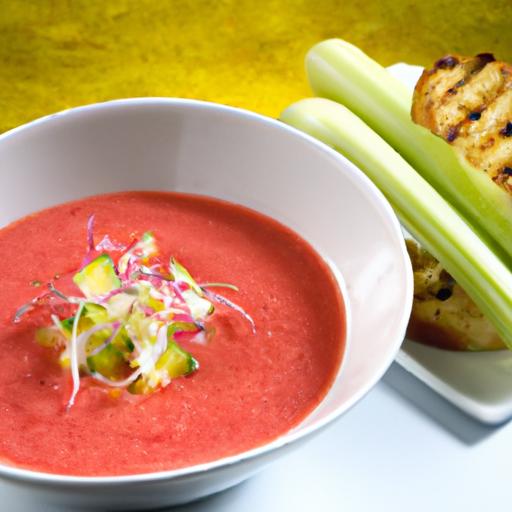
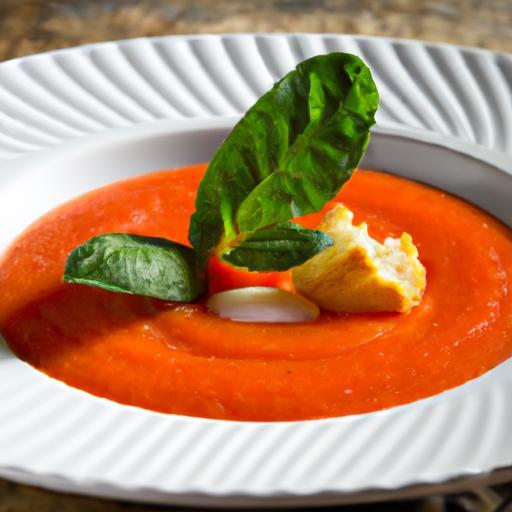
Experiment with garnishes for vibrant visual appeal and complementary textures.For a classic touch, serve with finely diced cucumber, bell pepper, and crusty bread cubes on top. For a gourmet finish, add a drizzle of basil-infused olive oil, a scattering of toasted pine nuts, or a spoonful of chilled avocado purée. Offering a side of thinly sliced serrano ham or crispy chorizo elevates the dish into an elegant appetizer.
For regional inspiration,try Andalusian gazpacho variations featuring extra garlic and smoky paprika or blend in freshly roasted red peppers for a sweeter, vibrant flavor. Serve in chilled glasses for a refreshing amuse-bouche or in soup bowls for a relaxing meal.
tips for Success
- Use the ripest tomatoes available: Their natural sweetness and acidity define the soup’s character.
- don’t over-blend: Retain some texture to keep the soup lively rather than overly smooth.
- Chill thoroughly: gazpacho is best enjoyed ice-cold; the cold temperature enhances its refreshing quality.
- Make ahead: Gazpacho can be prepared up to 2 days in advance and stored refrigerated in an airtight container.
- Customize acidity: Adjust vinegar and lemon juice to your taste; acidity wakes up all flavors!
| Nutritional Info (per serving) | Calories | Protein | Carbs | Fat |
|---|---|---|---|---|
| Gazpacho | 120 kcal | 3 g | 18 g | 6 g |
Discover more cold soup recipes and tapas to continue your culinary journey through Spain’s vibrant flavors.

Q&A
Q&A: Gazpacho Uncovered – Refreshing Secrets of Spanish Cold Soup
Q1: What exactly is gazpacho?
A1: gazpacho is a vibrant, chilled soup originating from Andalusia, the sun-soaked region of southern Spain. Bursting with fresh vegetables like tomatoes, cucumbers, peppers, and garlic, it’s blended into a refreshing liquid that’s both cooling and packed with the flavors of the mediterranean summer.
Q2: Why is gazpacho traditionally served cold?
A2: Gazpacho’s magic lies in its ability to offer a crisp respite from the heat.Served ice-cold, it is a revitalizing antidote to the blazing Spanish sun. The cold temperature enhances its fresh ingredients, making every spoonful a refreshing burst of garden-fresh goodness.
Q3: What’s the history behind gazpacho?
A3: Gazpacho has humble roots that date back to Roman times, evolving from simple bread-and-vegetable mashups to the finely blended soup we certainly know today.It was originally a peasant dish, a creative way to make the most of rustic staples-bread, olive oil, vinegar, and raw veggies-ideal for nourishment in hot weather.
Q4: Are there diffrent types of gazpacho?
A4: Absolutely! While the classic tomato-based gazpacho is most famous, regional variations abound.Salmorejo offers a thicker, creamier texture with more bread and fewer vegetables, while ajo blanco is a garlicky white gazpacho made with almonds and grapes. Each variation tells a unique story of Andalusian taste and tradition.
Q5: What makes a perfect gazpacho?
A5: The secret to perfection is balancing acidity, freshness, and texture. Ripe, sun-kissed tomatoes provide the base, while a splash of sherry vinegar adds brightness. cold-pressed extra virgin olive oil lends silkiness,and just the right pinch of salt amplifies the flavors. The soup should be chilled thoroughly, serving as a liquid garden on a hot day.
Q6: Can gazpacho be a meal, or is it just a starter?
A6: Gazpacho is versatile. Traditional Spanish meals often start with a bowl to awaken your palate, but add hearty toppings like diced veggies, hard-boiled eggs, or jamón and it transforms into a light yet satisfying main course. It’s perfect for those seeking a healthful, low-calorie meal with big flavor.
Q7: How can I enjoy gazpacho beyond the bowl?
A7: Gazpacho’s fresh,zingy profile lends itself well to creative uses. Try it as a chilled marinade for grilled seafood, a zesty salad dressing, or even a cold sauce for roasted vegetables. Its sunny personality can brighten any summer dish with ease.Q8: Any tips for making gazpacho at home?
A8: Opt for the best quality tomatoes you can find-ripe and fragrant. blend ingredients just enough to retain a little texture; gazpacho shouldn’t be too smooth or too chunky. Chill it for at least a few hours to let the flavors meld; like a fine wine, gazpacho gets better with time in the fridge!
Q9: Why has gazpacho captured the hearts of food lovers worldwide?
A9: Gazpacho is more than a soup-it’s a celebration of fresh, simple ingredients and a way of life that embraces the sunny, slow rhythms of Spanish culture. Its refreshing zest reminds us of summer’s bounty and brings a cool, colorful splash of joy to the table wherever it’s served.
Discover gazpacho and you’re not just tasting a soup-you’re sipping centuries of Spanish sunshine, history, and heart.
The Conclusion
As the sun sets over the vibrant plazas of Andalusia, gazpacho remains more than just a dish-it is a liquid tapestry of history, culture, and summer’s sweetest relief. From its humble origins in rustic kitchens to its place on contemporary tables across the globe, this chilled canvas of tomatoes, cucumbers, peppers, and garlic invites us to taste Spain’s essence in every spoonful. Whether enjoyed as a revitalizing appetizer or a nourishing midday escape, gazpacho continues to refresh not only the palate but also the spirit.so next time the heat lingers, pour yourself a glass of this crimson elixir and savor the secrets of Spain’s coolest culinary treasure.