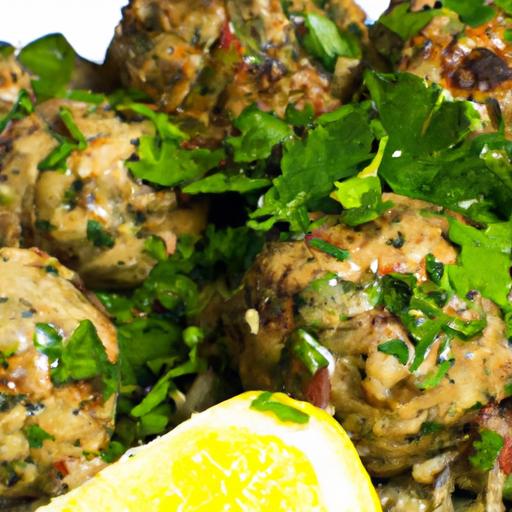

There’s something undeniably magical about biting into a perfectly spiced, juicy kofta-those tender meatballs or patties that burst with rich flavors and aromas, transporting you straight to the heart of vibrant Middle Eastern and South Asian kitchens. But what if you could bring that authentic restaurant experience right to your own table? In this flavorful guide, we’ll unlock the secrets behind mastering the art of restaurant-style kofta, from selecting the ideal blend of spices and meats to perfecting cooking techniques that seal in every drop of savory goodness. Whether you’re a seasoned home cook or a culinary adventurer, get ready to elevate your kofta game and impress with dishes that sing with tradition and taste.
Selecting the Perfect meat Blend for Juicy Kofta Perfection
Master the Art of Restaurant-Style Kofta begins with choosing an ideal meat blend that guarantees juicy, tender bites bursting with flavor. Traditionally,kofta is crafted from a harmonious mix of beef and lamb,combining the rich,slightly gamey taste of lamb with the leaner,robust profile of beef. This balance delivers mouthwatering juiciness, avoiding dryness common in single-meat versions. For those preferring poultry, a blend of dark and white turkey meat with a touch of olive oil can mimic the fat content necessary for delectable koftas.
When selecting your meat, opt for freshly ground cuts with a fat content around 20-25%. This fat percentage is pivotal-it locks in moisture during cooking. If you can, ask your butcher to coarsely grind brisket or chuck with lamb shoulder for an authentic texture that melts in your mouth.
Unlocking the Secret Spices that Elevate Your Kofta Flavor
Spices are the soul of kofta-unlocking layers of warmth,earthiness,and subtle heat. Begin with a base of cumin, coriander, and smoked paprika, coaxing the meat into a fragrant journey that teases the palate. Adding freshly minced garlic and finely chopped onions infuses moisture and natural sweetness that balances the spice blend beautifully.
Don’t overlook the magic of warming spices like allspice, cinnamon, and a hint of nutmeg. These transform humble ground meat into a symphony of flavors reminiscent of Levantine kitchens. A sprinkle of fresh herbs, especially parsley and mint, enlivens the mixture, making your kofta irresistibly fresh and vibrant.
Crafting the Ideal Texture Through Mixing and Shaping Techniques
Texture shapes the entire kofta experience. Once your meat and spices unite,gently hand-mix the ingredients until just combined. Over-mixing toughens the protein and steals moisture, so take care. To test seasoning and texture, pan-fry a tiny patty before shaping the entire batch; adjust salt or spices accordingly.
For classic cylindrical kofta, wet your hands to prevent sticking and shape evenly sized pieces-about 3 inches long and 1 inch thick. This uniformity ensures consistent cooking. For a finer texture, pulse the meat mixture briefly in a food processor before shaping. alternatively, hand-rolling offers rustic charm and a pleasing bite.
Mastering Cooking Methods to Achieve Authentic Restaurant Results
To capture that flawless restaurant-style char and juiciness, consider grilling your kofta over medium-high heat, allowing those signature grill marks to caramelize the exterior while locking in the meat’s natural juices. If grilling isn’t an option, a hot cast-iron skillet or broiler works beautifully, delivering a smoky crust. Cook each side for 3-4 minutes, turning gently to avoid breakage.
For an ultra-tender result, braising kofta in a rich tomato-based sauce after searing enhances flavor depth and moistness. Regardless of method,resting kofta for 5 minutes post-cooking lets juices redistribute,ensuring every bite is succulent.
Prep and Cook Time
- Planning: 20 minutes
- Resting time: 15 minutes
- Cooking: 15 minutes
- Total: 50 minutes
Yield
Serves 4-6 people, perfect for family dinners or festive gatherings.
Difficulty Level
Medium – Ideal for cooks ready to elevate their meat-crafting skills and flavor layering.
Ingredients
- 500g ground beef with 20% fat
- 300g ground lamb shoulder
- 1 small onion, finely grated
- 3 cloves garlic, minced
- 1/4 cup fresh parsley, finely chopped
- 2 tbsp fresh mint, finely chopped
- 1 tsp ground cumin
- 1 tsp ground coriander
- 1 tsp smoked paprika
- 1/2 tsp ground allspice
- 1/4 tsp ground cinnamon
- 1/8 tsp nutmeg
- 1 tsp salt
- 1/2 tsp freshly ground black pepper
- 1 tbsp olive oil (for cooking)
Instructions
- Combine meats: In a large bowl, gently mix the ground beef and lamb until evenly distributed.
- Add aromatics and spices: Incorporate grated onion, garlic, herbs, and all spices into the meat. Mix by hand until just combined-avoid over-mixing to keep the koftas tender.
- Test seasoning: Shape a small patty and cook in a skillet over medium heat for 2 minutes on each side. Taste and adjust salt or spices if needed.
- Shape kofta: Wet your hands and form the mixture into cigar-shaped logs about 3 inches long and 1 inch thick.Keep them uniform for even cooking.
- Cook kofta: Heat olive oil in a grill pan or skillet over medium-high heat. Add kofta and cook for 3-4 minutes per side until browned and cooked through.Avoid flipping repeatedly to maintain shape.
- Rest and serve: Transfer kofta to a plate and let rest for 5 minutes before serving. This step ensures juicy perfection.
Tips for Success
- Meat blend matters: Don’t substitute all beef; lamb provides essential flavor and moisture.
- Keep hands wet: This prevents sticking when shaping koftas, yielding a smoother finish.
- Don’t overcook: Overcooked kofta become dry-aim for a nice crust while keeping the inside moist.
- make ahead: Prepare kofta mixture and shape logs up to 24 hours in advance, refrigerate covered for deeper flavor advancement.
- Experiment with herbs: Try adding fresh cilantro or dill for a personalized twist.
Serving Suggestions
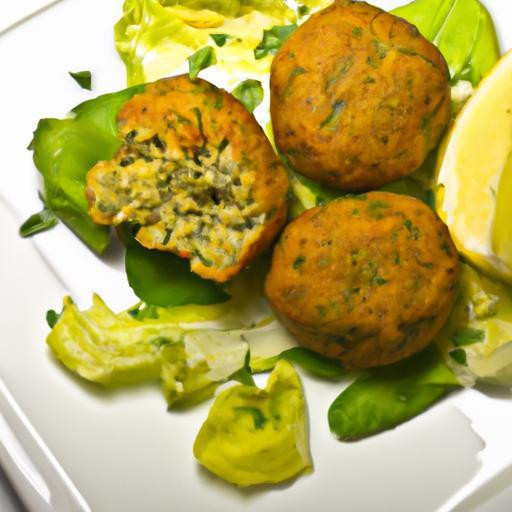
Present kofta hot off the grill alongside fluffy basmati rice, warm pita bread, and a vibrant cucumber-yogurt sauce (tzatziki). Garnish with toasted pine nuts, a sprinkle of sumac, and fresh lemon wedges for zingy brightness.A simple garnish of chopped parsley and a drizzle of olive oil completes this eye-catching, restaurant-worthy plate.

| Nutrient | Per Serving |
|---|---|
| Calories | 320 kcal |
| Protein | 28 g |
| Carbohydrates | 5 g |
| Fat | 20 g |
Ready to explore more hearty dishes? Check out our comprehensive spice guide to deepen your flavor repertoire. For an authoritative dive into traditional cooking methods, visit Serious Eats and learn how top chefs perfect global classics like kofta.
Q&A
Q&A: Master the Art of Restaurant-Style Kofta – A Flavorful Guide
Q1: What exactly is kofta,and why is it so beloved in restaurant cuisine?
A: Kofta is a succulent,spiced meatball or meatloaf dish that has traveled through centuries and cultures,delighting palates from the Middle East to South Asia. What sets restaurant-style kofta apart is it’s perfect balance of juicy texture and vibrant spices, often elevated by expert techniques and complementary sauces that transform humble ground meat into a culinary masterpiece.
Q2: what types of meat work best for making kofta at home?
A: Traditionally, lamb or beef takes center stage in kofta, thanks to their rich flavor and fat content, which keeps the meatballs tender. Though, chicken, turkey, and even plant-based alternatives can be fabulous options if you adjust seasoning and moisture accordingly. The key is selecting ground meat with enough fat to maintain juiciness during cooking.
Q3: How do restaurants achieve that tender, melt-in-your-mouth texture in kofta?
A: The secret often lies in the mix of ingredients and preparation methods. Incorporating soaked bread crumbs or cooked rice adds softness, while finely grated onions release moisture and natural sweetness. Some chefs also gently whip the meat mixture to aerate it, creating lighter koftas. Slow, even cooking over moderate heat keeps them juicy rather than dry.
Q4: Which spices should I use to capture that authentic restaurant-style flavor?
A: Aromatic spices like cumin, coriander, paprika, and cinnamon are foundational, providing warmth and complexity. fresh herbs like parsley and mint introduce brightness, while garlic, ginger, and a pinch of chili add depth and a pleasant kick. toasting whole spices before grinding can add an earthy dimension that’s signature to many restaurant recipes.
Q5: What cooking techniques elevate kofta beyond simple pan-frying?
A: While pan-frying is classic, grilling imparts a smoky char that’s hard to beat. Baking is another hands-off approach that ensures even cooking. For the ultimate indulgence,try simmering kofta in a rich tomato or yogurt-based sauce,allowing flavors to meld and meat to remain tender-just like in your favourite restaurants.
Q6: Can I pair kofta with sauces and sides to mimic the restaurant experience?
A: Absolutely! Kofta is a versatile canvas for an array of sauces-think creamy tahini, tangy chutneys, spicy harissa, or cooling raita. serving with saffron rice, warm flatbreads, or roasted vegetables rounds out the plate and brings the full restaurant-style feast to your home table.
Q7: Any tips for making kofta the night before and keeping it fresh?
A: Prepare the mixture and shape your koftas in advance, than refrigerate them tightly wrapped to maintain moisture. This allows flavors to deepen overnight. When ready, cook them fresh for best texture, or if pre-cooked, gently reheat in a sauce or oven to avoid drying out.
Q8: How can I experiment with kofta to create unique flavor profiles?
A: Don’t shy away from customizing! Try adding grated veggies like zucchini or carrot for extra moisture and nutrition, or experiment with spices such as sumac, za’atar, or smoked paprika. Mixing nuts or dried fruits inside the koftas can also provide delightful surprises, making each bite a sensory adventure.
Ready to transform your kitchen into a kofta haven? With these insights, you’re well on your way to mastering that restaurant-style magic-one flavorful bite at a time!
Insights and Conclusions
With these flavorful insights and techniques in your culinary arsenal, mastering the art of restaurant-style kofta is no longer a distant dream but a delicious reality waiting to unfold in your own kitchen. Whether you prefer them grilled, baked, or simmered in a rich sauce, kofta offers a versatile canvas to experiment with spices, textures, and cooking styles. So roll up your sleeves, gather your favorite ingredients, and let every bite transport you to the vibrant streets and cozy eateries where this timeless dish was born. your journey to kofta mastery is just beginning-bon appétit!