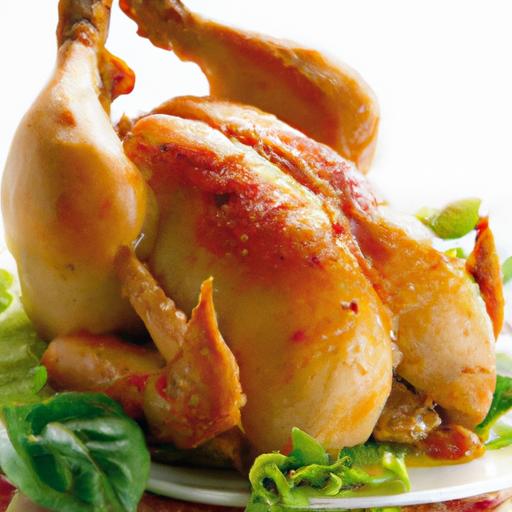

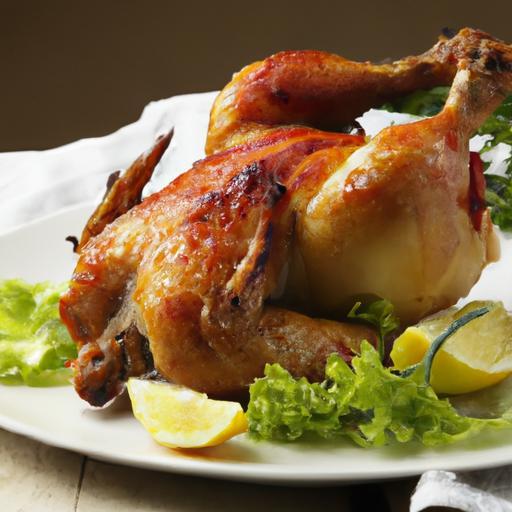
There’s something undeniably comforting about a roast chicken – its golden,crispy skin crackling with promise,the tender meat beneath juicy and flavorful beyond expectation. Yet, achieving that elusive, perfectly juicy roast chicken can feel like chasing a culinary unicorn: too dry, too bland, or unevenly cooked.What if mastering this classic dish wasn’t a mystery reserved for seasoned chefs, but a skill within anyone’s grasp? In this article, we’ll unravel the secrets behind roasting chicken to succulent perfection every time, transforming a humble bird into a centerpiece worthy of festivity.Prepare to unlock techniques, tips, and subtle tricks that turn the ordinary into extraordinary, ensuring your roast chicken emerges from the oven juicy, flavorful, and irresistibly inviting.
Mastering the art of perfectly juicy roast chicken every time begins with selecting the right bird and employing techniques that guarantee tender, flavorful results. What truly sets this classic dish apart is understanding how each step-from choice of poultry to resting-interplays to retain moisture and coax out rich, golden skin-crisping aromas.
Prep and Cook Time
- Preparation: 30 minutes (plus 12-24 hours for brining)
- Cooking: 1 hour 15 minutes to 1 hour 30 minutes (depending on size)
Yield
- Serves 4 to 6 hearty portions
Difficulty Level
- Medium – ideal for confident home cooks ready to elevate their roast chicken game
Ingredients
- 1 whole chicken (4 to 5 pounds; preferably organic or free-range for best texture)
- 1/2 cup kosher salt (for brining)
- 1/4 cup sugar (optional, balances salt in brine)
- 4 cups cold water (for brine)
- 4 sprigs fresh rosemary
- 4 cloves garlic, smashed
- 2 tablespoons olive oil
- 1 lemon, quartered
- Freshly ground black pepper, to taste
- 2 teaspoons smoked paprika
- 1 teaspoon onion powder
- Butter, softened, about 3 tablespoons (optional for extra richness)

Instructions
- Brine the chicken: In a large bowl,dissolve kosher salt and sugar in cold water. Add garlic and rosemary. Submerge the chicken entirely. Cover and refrigerate for 12 to 24 hours. Brining unlocks moisture retention, ensuring juicy results after roasting.
- Preheat your oven: Bring your oven to 425°F (220°C). This high heat jump-starts skin crisping while sealing in juiciness.
- Prepare the bird: Remove the chicken from brine and pat dry thoroughly with paper towels – dry skin equals crispier roast. rub the chicken all over with olive oil and softened butter,then season evenly with black pepper,smoked paprika,and onion powder.stuff the cavity with lemon quarters and a few rosemary sprigs for aromatic depth.
- Truss the chicken: Tie the legs together with kitchen twine and tuck wings under the body. This ensures even cooking and a neat presentation.
- Roast to perfection: Place the chicken breast-side up on a roasting rack set inside a shallow pan. Insert a meat thermometer into the thickest part of the thigh without touching bone. Roast for about 1 hour 15 minutes to 1 hour 30 minutes, or until internal temperature hits 165°F (74°C). Check after 45 minutes and baste gently with pan juices to boost moisture retention.
- Rest before carving: Remove the chicken from the oven and tent loosely with foil. Rest for 15 to 20 minutes - this critical step allows juices to redistribute and settle, preserving tenderness.
- Carve with care: Using a sharp knife, carve the chicken by first removing the legs and wings, then slicing breast meat against the grain. Serve immediately to showcase juicy, flavorful meat under a blanket of crisp, golden skin.
Tips for Success: Unlocking Moisture and Flavor in Every Bite
- Choosing the bird: Select a plump, fresh chicken ideally between 4 to 5 pounds. Free-range or organic poultry tends to yield more succulent and flavorful meat.
- Brining variations: For a deeper flavor dimension, infuse your brine with aromatics like bay leaves, peppercorns, or citrus zest. If short on time, a dry brine (salting the skin directly 24 hours ahead) also enhances juiciness.
- Marinating: For extra zest, marinate the bird with herbs and lemon juice after brining, but avoid acidic marinades longer than 2 hours to prevent meat breakdown.
- Crisp skin secrets: Always pat the bird dry before roasting and avoid overcrowding the pan to promote even, dry heat circulation around the chicken.
- Resting advantage: Never skip resting; carving too early causes juices to escape, resulting in drier meat.
serving Suggestions: Celebrate the Juicy Perfection
Present your roast chicken on a rustic wooden board or elegant platter, surrounded by vibrant autumn vegetables like roasted carrots, parsnips, and brussels sprouts. Garnish with fresh rosemary sprigs and lemon wedges for a luminous,inviting contrast. A drizzle of pan sauce or a creamy garlic aioli pairs beautifully as a finishing touch.
| Nutrient | Per Serving (approx.) |
|---|---|
| Calories | 450 kcal |
| Protein | 43 g |
| Carbohydrates | 1 g |
| Fat | 30 g |
Discover techniques for complementary side dishes in our Ultimate Guide to Perfect Roast Vegetables to complete your perfect meal.
For more detailed insights on brining science and safe food handling, visit the authoritative advice offered by the FoodSafety.gov resource.
Q&A
Q&A: Mastering the Art of Perfectly juicy Roast Chicken Every Time
Q1: What’s the secret to roasting a chicken that’s juicy throughout, not just at the edges?
A1: The magic lies in proper seasoning, brining, and temperature control. Start by brining your bird-a simple saltwater soak-for at least a few hours or overnight. This plumps the meat, making it juicy from the inside out. Then, roast at a high initial temperature to crisp the skin, before lowering it to gently finish cooking. This two-step heating locks in those succulent juices while delivering perfectly crackling skin.
Q2: Is it better to roast a whole chicken or parts for juiciness?
A2: whole chickens are fantastic for even moisture distribution since the bones and skin act as natural insulators, locking in flavor and juiciness. Dark meat (thighs and legs) is naturally juicier than white meat,but a whole roast offers the best balance. For truly juicy white meat, brining and careful temperature monitoring are key.
Q3: How do I know when my roast chicken is perfectly cooked without drying out?
A3: Investing in an instant-read meat thermometer is a game changer.The internal temperature should hit about 160-165°F (71-74°C) in the thickest part of the breast without touching bone. Remember, the bird will continue to cook slightly after removal from the oven-a process called carryover cooking. Let it rest for 10-15 minutes to allow juices to redistribute evenly.
Q4: Can I add herbs and aromatics inside the cavity for flavor and moisture?
A4: Absolutely! Stuffing the cavity with sprigs of rosemary, thyme, garlic cloves, and lemon wedges infuses subtle, savory steam from the inside as the chicken roasts, boosting both flavor and moistness. Just avoid overcrowding to ensure even heat circulation.
Q5: What role does butter or oil play in achieving juicy roast chicken?
A5: Rubbing the skin generously with butter or oil helps conduct heat and promotes crisp, golden skin that locks moisture beneath. Butter, especially when mixed with herbs or garlic, adds a luscious richness. An occasional baste during cooking can also maintain skin moisture, but don’t overdo it-it can prevent browning.
Q6: Any tricks to elevate roast chicken beyond the basics?
A6: consider using a roasting rack to elevate the bird, allowing air to circulate and the heat to envelop every inch. Try spatchcocking-removing the backbone and flattening the chicken-for faster, more even cooking. finishing with a swift broil or blast of high heat at the end crisps the skin to perfection without drying the meat.
Q7: How important is resting the chicken after roasting?
A7: Crucial! Resting is when the juicy magic really happens. As the chicken rests, the muscle fibers relax and reabsorb their juices instead of spilling them out the moment you carve. Tent it loosely with foil and let it rest for at least 10-15 minutes before carving for the ultimate juicy bite.
In essence, mastering perfectly juicy roast chicken is about respecting your bird-treat it with care at every step, from brine to rest-and you’ll be rewarded with a moist, flavorful masterpiece every time.
Final Thoughts
With these carefully honed techniques in your culinary arsenal, achieving a perfectly juicy roast chicken is no longer a matter of luck but of skill. From selecting the right bird to mastering the seasoning and cooking process, each step brings you closer to that golden, succulent masterpiece. So, next time you hear the tantalizing sizzle from your oven, remember: perfect roast chicken isn’t just a recipe-it’s an art. Embrace it, experiment with it, and savour every juicy, flavorful bite that follows. Your journey to roast chicken perfection starts now-and every meal will be a delicious celebration of your newfound expertise.