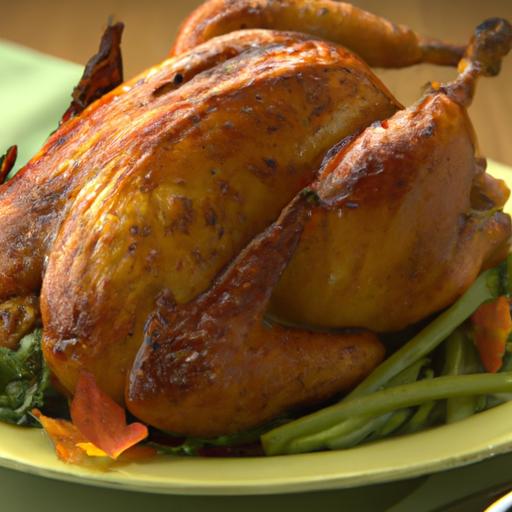

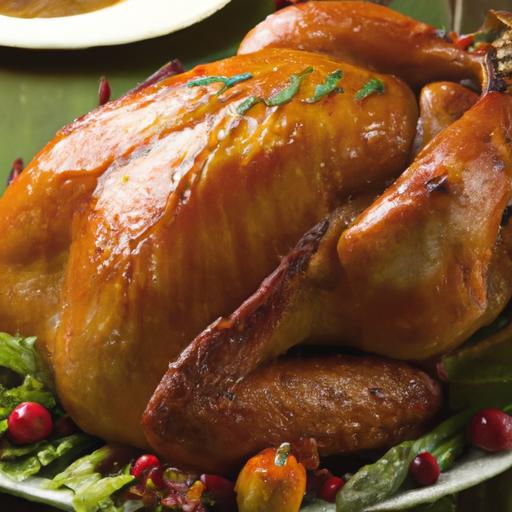
There’s something magical about a perfectly roasted turkey-teh golden, crispy skin that crackles with each slice, the juicy, tender meat bursting with rich, savory flavor. Whether it’s the centerpiece of a festive holiday feast or a special weekend treat, mastering the art of roasting turkey is a culinary skill that transforms an ordinary meal into an remarkable experience. In this article, we’ll unlock the secrets to achieving that coveted balance of crispy exterior and moist, flavorful interior, offering expert tips and creative tricks to elevate your roast turkey from good to unforgettable. Get ready to impress your guests and delight your taste buds with every succulent bite!
Choosing the Ideal Turkey and Preparing It for roasting
Mastering the best roast turkey begins with selecting the perfect bird-a decision that sets the foundation for a moist, flavorful centerpiece. Opt for a fresh, organic turkey whenever possible; thes frequently enough deliver superior texture and richer taste. If fresh isn’t available, go for a high-quality frozen bird, allowing ample time to thaw safely in the refrigerator for several days. The key is to choose a turkey that fits your gathering size comfortably without overcrowding your roasting pan.
Before roasting, give your turkey a gentle rinse under cold water, then pat dry with paper towels-this step is crucial to ensure crisp skin. For added depth, consider seasoning beneath the skin, gently loosening it first to create a flavorful cushion for herbs and butter.
Unlocking the Secrets of Seasoning and Brining for Maximum Flavor
Mastering the best roast turkey means unlocking the transformative magic of seasoning and brining. A classic wet brine-water infused with salt, sugar, aromatics like bay leaves, peppercorns, and citrus zest-hydrates the meat and infuses it with subtle layers of flavor. Submerge your bird entirely and refrigerate for 12 to 24 hours. When ready, rinse thoroughly and dry to preserve skin crispness.
For seasoned cooks, dry-brining is a gentler option: sprinkling kosher salt and herbs directly onto the turkey’s skin 24 hours before roasting. This method intensifies natural flavors and tightens skin for an irresistible golden finish.
Mastering Temperature Control and Timing for Juicy results
Temperature mastery is your secret weapon. Roast low and slow, ideally between 325°F and 350°F (160°C to 175°C), to ensure even cooking and maximum tenderness.Use a probe thermometer inserted into the thickest part of the thigh without touching bone-remove the turkey once it reaches 165°F (74°C). Avoid overcooking, which can dry out this gorgeous bird.
For an extra layer of perfection, start breast-side down to baste the white meat with natural drippings, then flip halfway through roasting. Tent with foil if the skin browns too quickly, preserving moist juiciness beneath.
Expert Techniques for Resting and Carving Your Perfect Roast Turkey
Resting your roast turkey for at least 20-30 minutes before carving is vital. This pause allows the juices to redistribute, keeping every slice succulent. Tent loosely with foil to maintain warmth.
When carving, use a sharp, flexible knife and begin by removing the legs and thighs, then carefully slice the breast meat against the grain for maximum tenderness. Serve with pan drippings or homemade gravy to accentuate each bite.
Prep and Cook Time
- Prep Time: 20 minutes (excluding brining/thawing)
- Brining Time: 12-24 hours (optional but recommended)
- Cook Time: 3 to 4 hours (varies by turkey size)
Yield
Serves 8-10 people (based on a 12-14 pound turkey)
Difficulty Level
Medium – perfect for home cooks ready to elevate their holiday centerpiece
Ingredients
- 1 whole fresh or thawed turkey (12-14 pounds)
- 1 cup kosher salt (for dry brine or wet brine)
- 1/2 cup brown sugar (optional, for wet brine)
- 4 quarts cold water (for wet brine)
- 4 bay leaves
- 1 tablespoon black peppercorns
- 1 large onion, quartered
- 4 cloves garlic, smashed
- Zest of 2 lemons or oranges
- 4 sprigs rosemary
- 4 sprigs thyme
- 8 tablespoons unsalted butter, softened
- Freshly ground black pepper, to taste
- Olive oil or melted butter for basting
Instructions
- prepare the brine: In a large pot, combine water, salt, brown sugar, bay leaves, peppercorns, onion, garlic, and citrus zest. Heat gently until salt and sugar dissolve,then cool entirely.
- Brine the turkey: Submerge the turkey in the cooled brine, cover, and refrigerate for 12-24 hours. For dry brine,skip this and proceed to step 4.
- Remove and dry: Rinse the turkey thoroughly if wet-brined, then pat completely dry inside and out with paper towels.
- Season under the skin: Gently loosen skin over the breast and thighs; spread softened butter mixed with herbs and pepper beneath skin for deep flavor and moistness.
- Truss and oil: Tie legs with kitchen twine, tuck wing tips. Brush skin lightly with olive oil or melted butter to encourage browning.
- Preheat oven: Set to 325°F (160°C). Place turkey breast-side down on a rack in a roasting pan.
- Start roasting: Roast for roughly 2 hours breast-side down to keep white meat juicy, basting occasionally with pan juices.
- Flip turkey: Carefully turn breast-side up. Continue roasting another 1.5 to 2 hours, basting every 30 minutes.
- Monitor temperature: Insert a probe thermometer in the thickest thigh. remove turkey once it hits 165°F (74°C).
- Rest the bird: tent loosely with foil and rest for at least 20 minutes before carving.
- Carve thoughtfully: Remove legs and thighs first, then slice breast meat against the grain. Serve with pan drippings or your favorite gravy.
Tips for Success
- Use a digital probe thermometer for precise doneness-never rely solely on cooking time.
- If you prefer, enhance your dry brine with smoked paprika or mild cayenne for a subtle smoky warmth.
- To save time, prepare the dry brine up to 48 hours ahead, letting turkey rest uncovered in fridge for ultra-crisp skin.
- Always rest your turkey after roasting-this ensures juices redistribute, preventing dry slices.
- For even richer flavor, add aromatics like apple or celery inside the cavity before roasting.
Serving Suggestions
Present your perfectly roasted turkey on a large platter adorned with sprigs of fresh rosemary and thyme, scattered cranberries, and citrus slices for a festive touch. Serve alongside creamy mashed potatoes, roasted root vegetables, and homemade gravy for a comforting, elegant feast. For a splash of color, a drizzle of pan jus on each slice will keep your guests coming back for more.

| Nutrient | Per Serving (approx.) |
|---|---|
| Calories | 350 |
| Protein | 45g |
| Carbohydrates | 2g |
| Fat | 14g |
Discover more on perfect roast poultry techniques in our Perfect Poultry Cooking Guide and expand your culinary expertise with trusted insights from Healthline’s expert brining tips.
Q&A
Q&A: Mastering the Best Roast Turkey – Tips for Perfect Flavor
Q1: What’s the secret to juicy, flavorful turkey meat?
A1: Juiciness begins with brining! Soak your bird in a saltwater solution-plain or infused with herbs and spices-for at least 12 hours. this process helps the turkey absorb moisture and seasonings, resulting in tender, flavorful slices that practically melt in your mouth.
Q2: How crucial is seasoning the turkey before roasting?
A2: absolutely crucial! Don’t just salt the surface-get creative with a blend of herbs, garlic, citrus zest, and butter, and work it under the skin. This allows the flavors to seep straight into the meat while roasting, transforming your turkey from ho-hum to unforgettable.
Q3: Should I roast the turkey at a high temperature or low and slow?
A3: A combination is key. Start roasting at a higher heat (around 425°F/220°C) to achieve that beautifully browned, crispy skin, then reduce the heat to around 350°F/175°C to cook the meat evenly without drying it out.
Q4: Is basting necessary for a perfect roast turkey?
A4: While many swear by basting, it’s actually optional if you’ve properly brined and buttered your turkey. Constantly opening the oven door to baste can lower oven temperature and prolong cooking time. Instead, try rubbing the bird with fat (butter or oil) before roasting for a guaranteed golden finish.
Q5: How do I know when the turkey is truly done?
A5: invest in a reliable meat thermometer. The internal temperature should reach 165°F (74°C) at the thickest part of the breast and 175°F (79°C) in the thigh. This ensures safety while keeping the meat juicy and tender.
Q6: What’s a little-known tip for enhancing turkey flavor?
A6: Let your roasted turkey rest for at least 20-30 minutes after it comes out of the oven. This pause allows the juices to redistribute evenly throughout the meat, making every bite satisfyingly moist and rich in flavor.
Q7: Can I add flavor inside the turkey cavity?
A7: Definitely! Stuff the cavity with aromatic ingredients like halved lemons, fresh herbs (thyme, rosemary, sage), garlic cloves, and even a splash of white wine or broth. These infuse subtle, savory notes into the bird from the inside out.
With these insider tips, your roast turkey will be the star of every feast-succulent, flavorful, and utterly irresistible. Happy roasting!
In Retrospect
as the aroma of your perfectly roasted turkey fills the kitchen, you’ll know that all the careful steps-from brining to basting-have paid off.Mastering the art of the roast turkey isn’t just about following a recipe; it’s about understanding the subtle dance of flavors and techniques that bring this classic dish to life. With these tips in your culinary toolkit, you’re well on your way to creating a centerpiece that will delight family and friends year after year. So go ahead, carve with confidence, and savor every juicy, flavorful bite-you’ve earned it.