
in the vast realm of global cuisines, few dishes carry a story as rich and layered as Mulligatawny soup. This aromatic blend of spices,lentils,and hearty ingredients is far more than a comforting bowl of warmth-it’s a flavorful journey through history,bridging cultures and continents. Originating from the bustling spice markets of India and journeying through colonial kitchens to modern dining tables worldwide, Mulligatawny invites us to explore how food can tell tales of trade, tradition, and transformation. Join us as we unravel the origins, evolution, and enduring appeal of this vibrant soup, savoring every spoonful of its captivating past.
Mulligatawny soup is a captivating blend of history and flavor that transports your taste buds across continents. Originating in South India during British colonial rule, this soup perfectly represents culinary fusion-a harmonious marriage between conventional Tamil peppery broths and British comforts like hearty meat and creamy textures.The name itself, derived from Tamil words “milagu” (pepper) and “tanni” (water), hints at the rich, spicy roots nurturing its evolution. Over time, this beloved dish embraced aromatic spices, tender meats, and a luscious coconut or cream base, creating a warm, comforting bowl with a story as deep as its flavor.
Prep and Cook Time
- Planning: 20 minutes
- Cooking: 50 minutes
- Total Time: 1 hour 10 minutes
Yield
Serves 6 generous portions
Difficulty Level
Medium – Perfect for adventurous home cooks seeking authentic global flavors
Key Ingredients and Traditional Spice Blends Explored
The secret to authentic Mulligatawny soup lies in its well-balanced layering of spices and fresh ingredients. At its core, expect the warmth of cumin, coriander, and turmeric, complemented by the piquancy of black pepper and the subtle sweetness of cinnamon. Many traditional blends incorporate garam masala, a fragrant mix that deepens the soup’s complexity.Fresh aromatics like onions, garlic, and ginger are essential, while diced carrots and celery add texture and natural sweetness. Chicken or lamb enriches the broth but vegetable-based versions work beautifully for a vegetarian twist. Coconut milk or cream provides richness and mellows the spices, making every spoonful velvety and smooth.
Ingredients
- 2 tablespoons vegetable oil
- 1 large onion, finely chopped
- 3 cloves garlic, minced
- 1 tablespoon fresh ginger, grated
- 2 medium carrots, diced
- 2 celery stalks, diced
- 1 medium apple, peeled and grated (for subtle sweetness)
- 1 tablespoon ground coriander
- 1 teaspoon ground cumin
- 1/2 teaspoon turmeric powder
- 1/2 teaspoon cinnamon
- 1 teaspoon garam masala
- 1/4 to 1/2 teaspoon cayenne pepper (adjust to taste)
- 1/2 teaspoon black pepper, freshly ground
- 1 cup red lentils, rinsed
- 6 cups chicken or vegetable broth
- 300 grams boneless chicken thighs, cut into bite-sized pieces (optional)
- 1/2 cup coconut milk
- Juice of half a lemon
- Salt, to taste
- Fresh cilantro, chopped (for garnish)
- Cooked basmati rice (optional, for serving)
Step-by-Step Guide to Crafting Authentic Mulligatawny at Home
- Heat the oil in a heavy-bottomed pot over medium heat. Add the finely chopped onion and sauté until translucent, about 5 minutes.Stir often to prevent browning.
- Add garlic, ginger, carrots, and celery. Cook for another 5 minutes, stirring occasionally, until the vegetables begin to soften and release their aromas.
- Stir in the grated apple for a subtle sweetness that balances the spices perfectly.
- Add all the spices: coriander,cumin,turmeric,cinnamon,garam masala,cayenne pepper,and black pepper. Toast the spices lightly with the vegetables for 2-3 minutes, stirring constantly to prevent burning and to unlock their fragrant oils.
- Add red lentils and broth. Stir everything together, then bring the mixture to a boil. Lower heat and simmer gently, uncovered, for 20 minutes, until the lentils are tender and starting to break down.
- If using chicken, add the thigh pieces now. allow the soup to simmer for an additional 15 minutes until the chicken is cooked through and tender.
- Using an immersion blender, carefully blend part (or all) of the soup to achieve a smooth yet slightly chunky texture. Alternatively, transfer half the soup to a blender and return to pot.
- Stir in coconut milk and lemon juice. Adjust salt to taste. Heat gently for 5 more minutes without boiling to maintain creaminess.
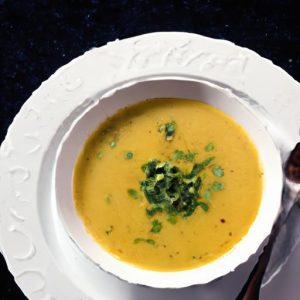
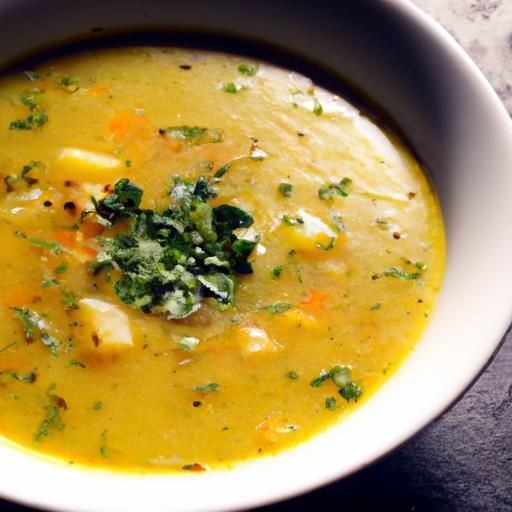
- Serve hot, garnished with fresh cilantro and, if desired, a spoonful of cooked basmati rice for a satisfying meal.
Chef’s Notes and Tips for Success
- Vegetarian variation: Omit the chicken and use vegetable broth. Add cubed potatoes or butternut squash for extra heartiness.
- Spice control: Adjust cayenne pepper to your heat preference. For milder palates, start with 1/4 teaspoon and add more gradually.
- Make-ahead: Mulligatawny tastes even better the next day as flavors meld. Store in an airtight container and reheat gently adding a splash of broth if needed.
- Texture tips: partially blending the soup retains lovely texture contrasts-feel free to blend fully for a silky finish.
- Ingredient swaps: Substitute coconut milk with heavy cream or yogurt for a different but equally rich character.
pairing Suggestions and Serving Tips for an Elevated Experience
Enhance your Mulligatawny soup by serving it alongside warm naan bread or crisp papadums, perfect for dipping. A chilled cucumber raita or mango chutney can add a refreshing contrast. For drinks, a light Riesling or fragrant jasmine tea beautifully complements the curry spices. Garnish thoughtfully with a sprinkle of freshly chopped cilantro, a few toasted cashews, or a swirl of coconut cream to add a touch of elegance. Adding a side of fragrant basmati rice turns this soup into a wholesome meal perfect for any season.
| Nutrient | Amount (per serving) |
|---|---|
| Calories | 310 kcal |
| Protein | 22 g |
| Carbohydrates | 25 g |
| Fat | 12 g |

Read more about inspiring Indian soup recipes in our Indian Spiced Soups Collection, and discover the ancient significance of Indian cuisine at the Encyclopedia Britannica.
Q&A
Q&A: Mulligatawny Soup – A Flavorful Journey Through History
Q1: What is Mulligatawny Soup?
A1: Mulligatawny is a rich, aromatic soup that originated from south Indian cuisine but gained international fame through British colonial influence. The name itself derives from the Tamil words “milagai” (pepper) and “tanni” (water), hinting at its spicy, peppery beginnings. Traditionally, it blends lentils, spices, vegetables, sometimes meat or chicken, and often a touch of coconut milk or cream to create a warming, satisfying dish.
Q2: How did Mulligatawny Soup become popular outside India?
A2: During the British Raj, colonial officers stationed in India developed a taste for local flavors but preferred dishes that catered to their own palate. Mulligatawny soup, adapted with richer broths and milder spices, was introduced to British menus in the 18th and 19th centuries. It became a beloved Anglo-Indian specialty, often served as a soup course in Victorian households and clubs, representing a captivating blend of cultures on a plate.
Q3: What makes Mulligatawny Soup unique compared to other Indian soups?
A3: Unlike many South indian soups that are simple and often vegetarian, Mulligatawny is a hybrid creation that marries Indian spices with British-style soup techniques. the use of lentils gives it body and nutrition, while ingredients like apples, rice, or cream add unexpected sweetness and texture. Its balance of tangy tamarind, warming curry spices, and creamy elements sets it apart as both exotic and comfortingly familiar.
Q4: Are there traditional variations of Mulligatawny Soup?
A4: Absolutely! In India, the classic might be a thin, spicy rasam-like broth. Though, in Anglo-Indian kitchens, recipes evolved to include chicken, lamb, or vegetables with a thicker base, frequently enough enriched with coconut milk or cream.Some versions add rice or apples for subtly sweet undertones, while others up the spice level for a more robust kick. Each variation tells its own story through flavor.Q5: How can one enjoy Mulligatawny Soup today?
A5: Mulligatawny remains a beloved dish in many parts of the world and is perfect for those seeking a soup with depth and history. Modern cooks can experiment by making it vegetarian with lentils and vegetables or enriching it with chicken broth and tender meat. Pair it with crusty bread or fragrant basmati rice for a complete meal. It’s also a fantastic dish to explore spice blending and cultural fusion in your own kitchen.
Q6: What does Mulligatawny Soup teach us about food and history?
A6: Mulligatawny Soup is a delicious reminder that cuisines are living histories. Through its journey-from South Indian kitchens, through British colonial tables, to contemporary global menus-it reflects migration, adaptation, and cross-cultural exchange. Each bowl carries not just flavor but stories of connection, transformation, and the endless creativity of food. It invites us to taste history and savor the way cultures blend and evolve.
This Q&A captures the essence of Mulligatawny Soup as both a culinary delight and a historical symbol, inviting readers to appreciate its rich heritage and enduring appeal.
To Conclude
As the last spoonful of mulligatawny soup warms your palate, you’ve not only savored a rich blend of spices and hearty ingredients but also journeyed through centuries of cultural exchange and culinary evolution.From its roots in South indian traditions to its adaptation on British tables, this flavorful soup tells a story far beyond the bowl-a story of history, adaptation, and the unifying power of food. So next time you dive into a steaming bowl of mulligatawny, remember your tasting a delicious chapter of a global heritage that continues to inspire and delight taste buds around the world.