
In the aromatic crossroads where east meets West,Mulligatawny soup simmers as a savory testament to centuries of cultural fusion and culinary curiosity. More than just a hearty bowl of spiced broth,this vibrant dish carries within it the echoes of ancient Indian kitchens and the adventurous palates of British colonial tables. As we embark on this spiced journey through history, we’ll unravel the layers of tradition, transformation, and taste that have made Mulligatawny soup a beloved, flavorful bridge between worlds. Join us as we explore how a humble blend of spices and ingredients became a global symbol of culinary storytelling.
Mulligatawny Soup is a culinary gem that carries with it a tapestry of history, culture, and spice. This vibrant dish tells the story of colonial India, where British and South Indian flavors intertwined to create a soup that’s both comforting and exotic. A warm bowl of Mulligatawny beckons with the aroma of toasted spices, tender lentils, and a hint of coconut or cream-a culinary journey that’s as rich in flavor as it is indeed in heritage.
Prep and Cook Time
Planning: 20 minutes | Cooking: 40 minutes | Total Time: 1 hour
yield
Serves 6 hearty portions
Difficulty Level
Medium – perfect for home cooks ready to explore bold spices with approachable techniques
Key Ingredients and Spices That Define It’s Unique Flavor
The essence of Mulligatawny Soup lies in its expertly balanced spice blend and layered ingredients.The base-typically lentils or split peas-offers a creamy body, while fresh vegetables like onion, carrot, and celery build depth. Authentic spice highlights include
Customary and Modern Variations to Savor
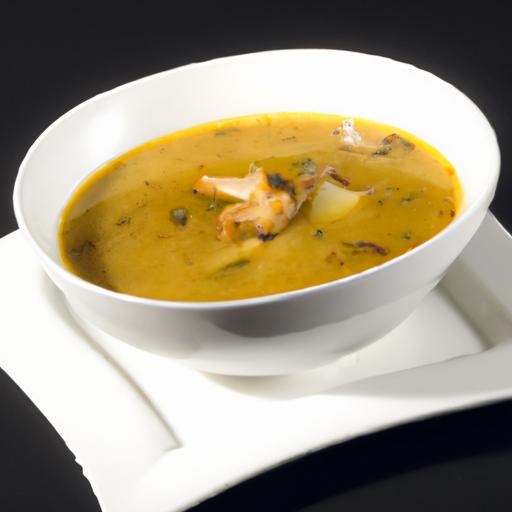
Historically, Mulligatawny Soup was a British colonial adaptation of South Indian rasam, transformed to suit Western palates. Traditionally,it is meatless or made with chicken,lentils,and a pronounced curry flavor. Modern cooks are reimagining this classic with creative twists: vegan versions use coconut milk and hearty vegetables like sweet potato or butternut squash; others fold in chunks of tender lamb or prawns for richness and textural contrast. For a rustic finish,some leave the lentils unblended,creating a thick,stew-like soup. The adaptability of Mulligatawny Soup makes it endlessly exciting to experiment with while still honoring its spice-laden roots.
Expert Tips for Crafting the Perfect Mulligatawny at Home
Start by dry-roasting whole spices (like cumin seeds and mustard seeds) until fragrant before grinding them fresh to preserve their essential oils. This step elevates the soup’s aroma immeasurably. When sautéing aromatics such as onions, ginger, and garlic, cook them low and slow to build sweetness and flavor without burning. To achieve the perfect balance of heat and creaminess, add coconut milk gradually and adjust chili levels to taste. If the soup feels too thick, thin it with homemade vegetable or chicken stock rather than water to maintain richness. For a beautiful presentation, swirl in a dollop of cream or coconut milk and garnish with fresh chopped cilantro and toasted cashews or crispy fried onions.
Ingredients
- 1 cup red lentils, rinsed and drained
- 1 large onion, finely chopped
- 2 cloves garlic, minced
- 1-inch piece fresh ginger, grated
- 2 medium carrots, diced
- 2 stalks celery, diced
- 1 apple, peeled and cubed (traditional touch)
- 1 tbsp vegetable oil
- 1 tsp mustard seeds
- 1 tsp cumin seeds
- 1 tsp ground coriander
- 1/2 tsp turmeric powder
- 1/2 tsp cinnamon
- 1/4 tsp ground cloves
- 1 tsp chili powder (adjust to heat preference)
- 4 cups vegetable or chicken stock
- 1 cup coconut milk (full fat preferred)
- 2 tbsp freshly squeezed lime juice
- Salt and pepper, to taste
- Fresh cilantro, chopped for garnish
- Toasted cashews or fried onions, optional garnish
Instructions
- Prepare spices: in a dry pan over medium heat, toast mustard seeds and cumin seeds until they pop and release aroma, about 1-2 minutes. Remove from heat and grind them finely using a mortar and pestle or spice grinder.
- Sauté aromatics: Heat vegetable oil in a large pot over medium heat. Add chopped onion, sauté until translucent, about 5 minutes. Stir in garlic and ginger and cook for 2 more minutes, until fragrant.
- Add vegetables and spices: Stir in diced carrots,celery,and cubed apple. Add the ground spices, ground coriander, turmeric, cinnamon, cloves, and chili powder. Cook, stirring frequently, for 2-3 minutes to release their flavors.
- Add lentils and stock: Rinse the red lentils one more time and add them to the pot along with vegetable or chicken stock. Stir well and bring to a boil. Lower heat and simmer gently, uncovered, for 25-30 minutes, or until lentils and vegetables are soft.
- Blend soup: Using an immersion blender, carefully puree the soup until smooth but still some texture remains. Alternatively, blend in batches in a stand blender.
- Finish with coconut milk and lime juice: Stir in the coconut milk and lime juice. Heat through without boiling. Taste and adjust salt,pepper,and chili powder if needed.
- Serve: Ladle soup into bowls. Garnish with fresh cilantro and toasted cashews or fried onions. Enjoy hot for a soulful meal.
Chef’s Notes: Tips for Success
- Spice freshness: Whole spices offer superior flavor-toast and grind just before cooking to maximize aroma.
- Vegan option: Use vegetable stock and coconut milk.Omit any animal-derived garnishes for a plant-based delight.
- Thickness control: Thin soup with stock or water as needed; thicken by simmering longer or adding cooked rice or mashed potatoes.
- Make-ahead: Soup flavors deepen when refrigerated overnight. Reheat gently with extra coconut milk before serving.
- Heat levels: Adjust chili powder carefully; add fresh diced chili or hot sauce for stronger spice after cooking if desired.
Serving Suggestions
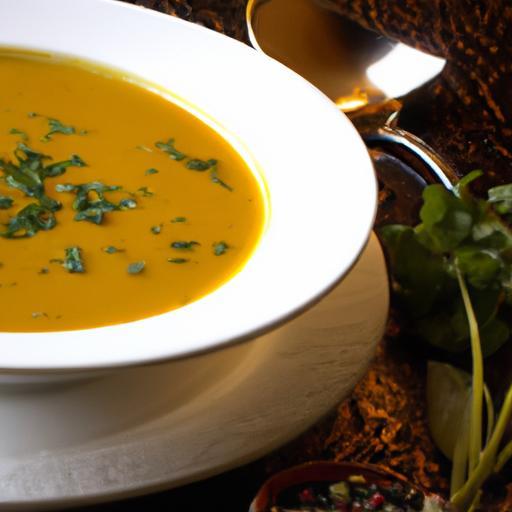
Serve your Mulligatawny Soup piping hot in rustic bowls to showcase its inviting golden-orange hue. complement it with warm naan or crusty bread for dipping. garnish creatively with a swirl of coconut cream, a sprinkle of crunchy toasted cashews, and a few sprigs of fresh coriander to add freshness and textural contrast. For a more indulgent twist, a spoonful of homemade mango chutney on the side elevates the flavors beautifully.

| Nutrient | Per Serving |
|---|---|
| Calories | 280 kcal |
| Protein | 12 g |
| Carbohydrates | 38 g |
| Fat | 8 g |
Ready to deepen your spice repertoire? Try our Indian Spiced Lamb Curry for a complementary entrée. For an authoritative exploration of Indian culinary history, visit Britannica’s Indian Cuisine article.
Q&A
Q&A: Mulligatawny Soup – A Spiced Journey Through History
Q: What exactly is Mulligatawny soup?
A: Mulligatawny is a vibrant, spiced soup with origins that blend Indian flavors and British culinary adaptations. Traditionally, it’s a hearty broth enriched with lentils, vegetables, meat (often chicken), and a melange of warming spices like curry powder, cumin, and coriander. It’s comforting, aromatic, and a appetizing crossroads of two cultures.
Q: Where does the name “mulligatawny” come from?
A: The name “Mulligatawny” derives from the Tamil words “milagu” (pepper) and “tanni” (water), meaning “pepper water.” This nod to its spicy origins hints at its early Indian roots as a peppery, broth-like soup designed to whet the appetite during hot days.
Q: How did Mulligatawny soup find its way into British cuisine?
A: During the British colonial period in India, British officers and officials encountered this peppery broth and adapted it to their palate by thickening the soup, adding meat and cream, and sometimes even rice. This Anglo-Indian fusion transformed Mulligatawny into a comforting, filling dish that soon became a staple in British households and restaurants.
Q: What makes Mulligatawny soup unique compared to other curry-based dishes?
A: Unlike many curry dishes that are thick sauces served over rice, Mulligatawny soup occupies a curious space as both a curry-flavored broth and a soup. Its unique balance between spicy heat, creamy texture, and hearty ingredients makes it a versatile dish-both an appetizer and a meal in itself.
Q: Are there regional variations of Mulligatawny soup?
A: Absolutely! In India, Mulligatawny tends to be lighter and more pepper-forward, often vegetarian with lentils front and center. In the UK and other Western countries, it’s thicker, creamier, and often enriched with apples or coconut milk for sweetness and depth. Chefs have also experimented with adding exotic ingredients like mango chutney or even using different proteins like lamb or seafood.
Q: What cultural importance does Mulligatawny soup hold today?
A: Today, Mulligatawny is a delicious testament to culinary globalization-a dish that embodies history, colonial exchange, and the evolution of taste. It reminds us how food journeys traverse boundaries, blending tradition with innovation. It’s also cherished as a cozy, spiced remedy during chilly days, connecting people across continents and centuries.
Q: How can one make an authentic-tasting Mulligatawny at home?
A: To capture the soulful essence of Mulligatawny, start with a base of sautéed onions, ginger, and garlic. Toasted spices like cumin, coriander, and curry powder infuse warmth and depth. Lentils cook until tender, while diced chicken and fragrant vegetables add heartiness. A splash of coconut milk or cream gives it that smooth finish,balanced by a hint of acidity-perhaps lemon juice or apple cider vinegar. Serve it with rice or crusty bread and savor the historical layers in every spoonful.
Q: Why does Mulligatawny soup remain popular after all these years?
A: Mulligatawny’s enduring popularity stems from its perfect harmony of spice, comfort, and history. It’s a dish that nourishes both body and soul, offering warmth in every bite and a flavorful narrative of cultural fusion. Whether in a bustling London café or a home kitchen halfway across the world, Mulligatawny continues to invite us on a spicy journey through time.
Future Outlook
From its humble beginnings in the bustling kitchens of colonial India to its beloved place on tables around the world, Mulligatawny soup is much more than a comforting bowl of warmth. It is a vibrant tapestry of history, culture, and spice – a savory testament to culinary fusion. Each spoonful carries whispers of ancient traditions, the melding of East and West, and the timeless human desire to create something nourishing and flavorful. So, the next time you savor this spiced journey through history, remember: Mulligatawny is not just soup. It’s a story simmering in every bite.