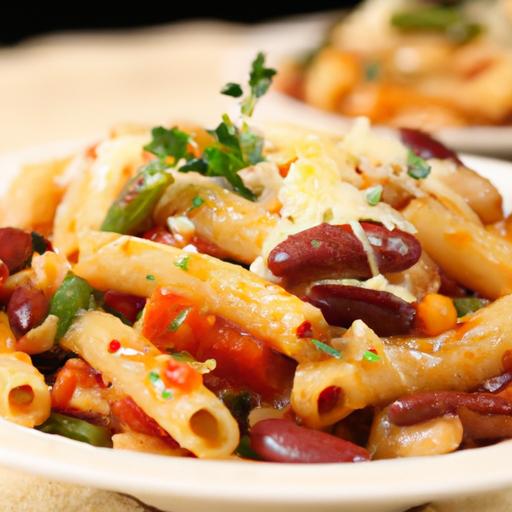

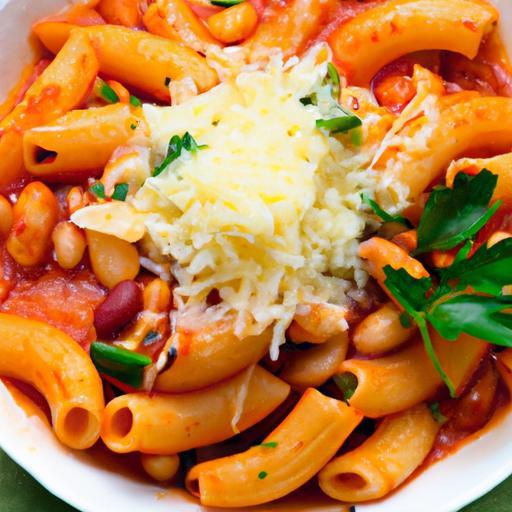
In the heart of Italy’s rustic kitchens, where simplicity meets soulful flavor, lies a timeless dish that has warmed generations: Pasta e Fagioli. This hearty bean adn pasta classic is more than just a meal-it’s a celebration of humble ingredients transformed into comforting nourishment. Rooted in tradition and bursting with regional variations, Pasta e Fagioli tells the story of Italy’s culinary ingenuity, where pantry staples come alive in a satisfying dance of textures and tastes. Join us as we delve into the origins, recipes, and cultural importance of this beloved Italian staple that continues to embody the essence of home-cooked goodness.
Pasta e Fagioli: Italy’s Hearty bean and Pasta Classic
Pasta e fagioli is a timeless Italian treasure, weaving together rustic beans and al dente pasta into a soul-soothing, hearty soup. Its origins trace back to peasant kitchens where simple, affordable ingredients were transformed into a comforting meal with bold flavors. This humble dish is a celebration of Italian ingenuity,regional traditions,and the beauty of slow-cooked meals that warm both belly and heart.
Origins and Regional Variations of Pasta e Fagioli
Pasta e fagioli, often affectionately called “pasta fazool” in Southern Italy, flourished in regions where beans and wheat thrived.Northerners favor a creamy tubular pasta like ditalini with borlotti beans, while Southern Italians often choose cannellini beans paired with small elbow macaroni. In coastal areas, a touch of seafood is sometimes added, whereas mountain villages incorporate specks of pancetta or smoked guanciale for smoky depth.
The dish’s simplicity allows every cook to imprint their local identity. In Lombardy, it tends to be thicker-more stew than soup-while in Campania, the broth remains lighter, enriched with fresh tomatoes and aromatic herbs. This mosaic of variations reflects the diverse agricultural landscapes and culinary philosophies of Italy’s manny regions.
Choosing the Best Beans and Pasta for Authentic Flavor
The secret to an authentic Pasta e Fagioli lies in the beans and pasta you select. Borlotti beans are traditional throughout much of Italy, prized for their creamy texture and slight nuttiness. Cannellini beans offer a delicate, buttery flavor that blends beautifully in lighter broths. For dried beans, soak overnight to enhance digestibility and reduce cooking time.
When it comes to pasta, small shapes such as ditalini, tubetti, or even small elbow macaroni are ideal. These petite shapes cling perfectly to the sticky bean broth.Avoid long strands as they can lose their structure and overwhelm the delicate balance of flavors.
Prep and Cook Time
- Preparation: 20 minutes
- Cooking: 1 hour 10 minutes
- Total: 1 hour 30 minutes
Yield
Serves 6 hearty portions
Difficulty Level
Medium – requires some attention to layering flavors and timing
Ingredients
- 1 cup dried borlotti beans, soaked overnight and drained
- 3 tablespoons extra-virgin olive oil
- 1 small onion, finely chopped
- 1 carrot, diced
- 1 celery stalk, diced
- 2 garlic cloves, minced
- 4 cups low-sodium chicken or vegetable broth
- 1 (14 oz) can diced tomatoes
- 1 teaspoon fresh rosemary, finely chopped
- 1/2 teaspoon dried oregano
- 1 teaspoon sea salt, or to taste
- 1/2 teaspoon black pepper
- 3/4 cup ditalini pasta or small elbow macaroni
- Grated Parmigiano-Reggiano (for garnish)
- Fresh parsley, chopped (for garnish)
Step-by-step Guide to Crafting a rich and Hearty Soup
- Prepare the beans: Drain soaked borlotti beans and rinse well.Place them in a large pot, cover with fresh water, and bring to a boil. Reduce heat to simmer and cook uncovered for 45 minutes until tender but not mushy. Drain and set aside.
- Sauté the soffritto: Heat olive oil in a heavy-bottomed pot over medium heat.Add onion, carrot, and celery. Sauté until golden and fragrant, about 7 minutes, stirring often to prevent sticking.
- Add garlic and herbs: Stir in the minced garlic, rosemary, and oregano. Cook for 1 minute until aromatic, careful not to burn the garlic.
- Build the broth: Pour in the diced tomatoes with their juice and the broth. Add cooked beans back into the pot.Season with salt and pepper. Bring to a gentle boil, then reduce to a simmer for 20 minutes to marry the flavors.
- Cook the pasta: Add the ditalini pasta directly into the simmering soup, stirring occasionally to prevent sticking. Cook until pasta is al dente, about 8-10 minutes.
- Adjust consistency: If the soup is too thick, add a splash of hot water or broth to loosen. Taste and adjust seasoning as needed.
Tips for perfecting Texture and Balancing Traditional Seasonings
For silky broth: Before adding pasta, mash a small cupful of beans against the side of the pot with a wooden spoon. This releases starch,naturally thickening the soup.
Season gradually: Adjust salt and pepper in stages. Beans can absorb a lot of flavor, so be patient and taste frequently enough near the end.
Pasta timing: Add pasta late so it does not overcook or become gummy. Reserve a bit of cooking water to save its silky starch if needed.
Layered flavor: Use fresh herbs for brightness and dried herbs for depth. A drizzle of extra-virgin olive oil just before serving enhances aroma and richness.
Chef’s Notes
- Bean alternatives: Cannellini or navy beans work beautifully as substitutes.
- Make-ahead: Soup thickens as it rests. Thin with broth or water when reheating.
- Vegetarian twist: Use vegetable broth and add a splash of good-quality balsamic vinegar to boost umami.
- Freezing tips: Freeze soup and pasta separately for best texture. Reheat and combine before serving.
Serving suggestions
Serve steaming hot in rustic bowls, topped generously with freshly grated Parmigiano-Reggiano and a sprinkle of chopped fresh parsley. A drizzle of luminous extra-virgin olive oil or a few flakes of red pepper can add a pleasing contrast. Accompany with crusty Italian bread or focaccia to soak every last drop of this comforting soup. A simple green salad dressed with lemon and olive oil creates a lovely counterpoint on the side.

| Nutrition per Serving | Amount |
|---|---|
| Calories | 320 kcal |
| Protein | 14 g |
| Carbohydrates | 45 g |
| Fat | 7 g |
For those who want to explore further into traditional Italian soups, check out our Ribollita recipe. To read about the nutritional benefits of beans and legumes, visit this insightful Healthline article.
Q&A
Q&A: Pasta e Fagioli – Italy’s Hearty Bean and Pasta Classic
Q1: What exactly is Pasta e Fagioli?
A1: Pasta e Fagioli, often affectionately shortened to ”Pasta ‘e Fasuli” in dialect, is a traditional Italian soup that marries simple, humble ingredients-pasta and beans-into a soulful, hearty dish. More than just a meal, it’s comfort in a bowl, combining creamy beans with tender pasta, savory broth, and aromatic herbs.
Q2: Where does Pasta e Fagioli originate from?
A2: This beloved soup hails from Italy’s rustic kitchens, with roots stretching across regions such as Campania, Veneto, and Emilia-Romagna. Each locale proudly boasts its own variation, but all celebrate the beauty of pantry staples turned gourmet through traditional craftsmanship and a pinch of love.
Q3: Why is Pasta e Fagioli so beloved in Italian culture?
A3: Pasta e fagioli is a symbol of Italian culinary ingenuity-transforming simple, affordable ingredients into something nourishing and deeply satisfying. Historically,it was a peasant dish designed to fill stomachs during tough times. Today, it remains a comforting reminder of tradition, family, and Italy’s enduring embrace of ”cucina povera,” or “poor cooking” turned art.Q4: What types of beans and pasta are typically used?
A4: Cannellini beans are the classic choice, prized for their creamy texture and mild flavor, but borlotti beans also make frequent appearances. For pasta, small shapes like ditalini, tubetti, or even broken spaghetti bits are preferred-they offer the perfect bite-sized balance to the soft beans.
Q5: How is Pasta e Fagioli traditionally prepared?
A5: Traditionally, dried beans are soaked overnight and simmered low and slow until tender. The pasta is cooked directly in the broth,absorbing all the rich flavors.olive oil, garlic, onion, and sometimes pancetta or prosciutto lend nuance, while fresh herbs like rosemary or sage add that unmistakable Italian aroma. Every spoonful tells a story of patience and passion.
Q6: Can Pasta e Fagioli be adapted for modern tastes or dietary needs?
A6: Absolutely! While the classic version carries its own rustic charm,modern cooks frequently enough adjust it to suit vegetarian,vegan,or gluten-free diets. Using vegetable broth, extra virgin olive oil, and gluten-free pasta keeps the essence intact while embracing contemporary preferences. Plus, it’s endlessly customizable with different herbs or even a splash of tomato for extra zest.
Q7: What makes Pasta e Fagioli stand out from other soups?
A7: Its harmonious simplicity. Few dishes balance heartiness and lightness so elegantly: the creamy beans bring protein and texture,the pasta adds comfort and substance,and the broth ties them together with soulful depth. It’s a meal and a memory all at once-Italy in a bowl.
Q8: when is the best time to enjoy Pasta e Fagioli?
A8: Traditionally a fall and winter staple, Pasta e Fagioli warms cold hands and hearts alike. Yet, served chilled or at room temperature, it can be a surprising delight in warmer seasons too. Its timelessness makes it perfect any day you crave honest, home-cooked goodness.
Whether you’re stirring a pot in a bustling Naples kitchen or savoring a bowl in your own home,Pasta e Fagioli offers a appetizing glimpse into Italy’s rich culinary soul-simple,hearty,and endlessly inviting. Buon appetito!
Closing Remarks
As the comforting aroma of simmered beans and tender pasta fills your kitchen, it’s clear that Pasta e Fagioli is more than just a meal-it’s a heartfelt story of Italian tradition served in a bowl.This humble dish, with its rich history and simple ingredients, reminds us that culinary magic often arises from the most unassuming combinations. Whether enjoyed in a bustling Roman trattoria or recreated at home on a chilly evening, Pasta e Fagioli continues to nourish both body and soul, embodying the warmth and generosity that define Italy’s timeless cuisine. So next time you crave something both hearty and heartfelt, let this classic dish invite you into the enduring embrace of Italian comfort food.