
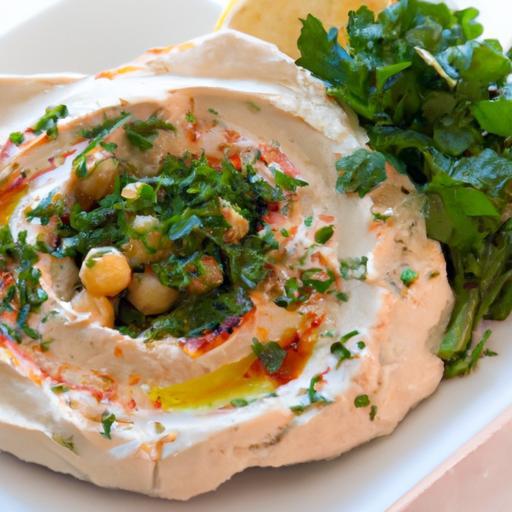
In the vibrant tapestry of Middle Eastern cuisine, few pairings evoke as much warmth and satisfaction as the timeless duet of pita and hummus. This culinary harmony, steeped in history and tradition, brings together the pillowy softness of pita bread and the creamy, nutty richness of hummus-a chickpea-based dip that has crossed borders and captivated taste buds worldwide. Beyond their individual charms, these two staples combine to create a symphony of textures and flavors that celebrate community, simplicity, and wholesome nourishment. Join us as we explore the origins,cultural meaning,and irresistible appeal of this delicious duo that continues to unite palates and hearts across continents.
Pita and Hummus Harmony is much more than just a meal; it embodies centuries of rich Middle Eastern heritage and culinary craftsmanship that continues to captivate palates worldwide. From bustling markets in Jerusalem to family kitchens in Beirut,this symbiotic pairing carries deep cultural significance as both a staple and a symbol of sharing and hospitality.
Prep and cook Time
- Prep Time: 20 minutes
- Rising Time: 1 hour 30 minutes
- Cook Time: 10 minutes
- Total Time: 2 hours
Yield
Makes 8 medium pita breads serving 4-6 people alongside hummus.
Difficulty Level
Medium – perfect for those ready to explore authentic bread-making with approachable steps and satisfying results.
Ingredients
- For the Pita Bread:
- 3 cups all-purpose flour,sifted
- 1¼ cups warm water (about 110°F / 43°C)
- 2 teaspoons active dry yeast
- 1 teaspoon granulated sugar
- 1 teaspoon salt
- 2 tablespoons olive oil
- For the Classic Hummus:
- 1 can (15 oz) chickpeas,drained and rinsed
- ¼ cup tahini (sesame seed paste)
- 2 tablespoons fresh lemon juice
- 2 cloves garlic,minced
- 3 tablespoons extra virgin olive oil
- ½ teaspoon ground cumin
- Salt,to taste
- Water,as needed for desired consistency
Instructions
- Activate the yeast: In a small bowl,combine warm water,yeast,and sugar. Stir gently and let it rest for 5-10 minutes until foamy and bubbly, signaling the yeast is active.
- make the dough: In a large mixing bowl, whisk together the flour and salt. Create a well in the center and pour in the olive oil and yeast mixture. Stir until a rough dough forms.
- Knead the dough: On a lightly floured surface, knead the dough for about 8-10 minutes until smooth and elastic.If the dough is sticky,sprinkle a bit more flour but avoid adding too much to keep the pita soft.
- First rise: Place the dough in a lightly oiled bowl, cover with a damp cloth or plastic wrap, and let it rise in a warm draft-free area for 1 to 1½ hours, or until doubled in size.
- Shape the pitas: Punch down the dough gently.Divide it into 8 equal portions. Roll each portion into a ball and then flatten into discs about 6 inches in diameter and ¼ inch thick. Cover with a clean towel and let rest for 15 minutes.
- Cook the pitas: Preheat a cast-iron skillet or heavy-bottom pan over medium-high heat. Carefully transfer one pita to the dry skillet. Cook for 1-2 minutes until bubbles form on the surface. flip and cook another minute until golden spots appear and the pita puffs up, creating an airy pocket inside. Repeat with remaining dough, stacking cooked pitas under a clean towel to stay soft and warm.
- Prepare the hummus: In a food processor,combine chickpeas,tahini,garlic,lemon juice,cumin,and salt. Pulse until smooth. Gradually drizzle olive oil while blending. If the mixture is thick, add water one tablespoon at a time until creamy and silky.
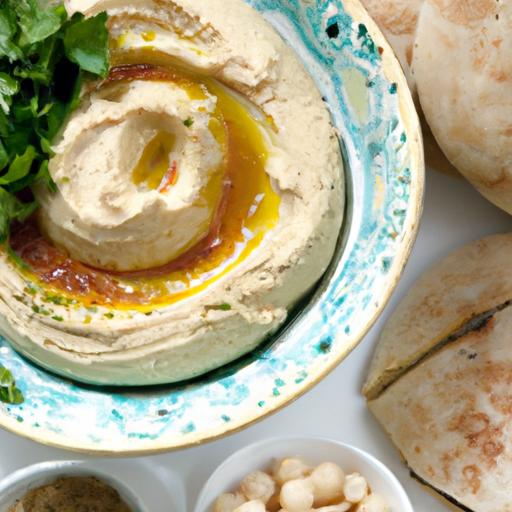
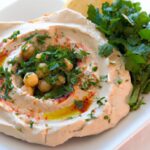
- Final touches: Taste and adjust seasoning, adding more lemon or salt if desired. Transfer to a serving bowl and drizzle with extra olive oil, a sprinkle of smoked paprika, and chopped fresh parsley for a pop of color.
Tips for Success with Pita and Hummus Harmony
- Dough consistency: Moist dough yields softer pita. Keep extra flour handy, but avoid overuse.
- Yeast activation: Warm water is key-too hot will kill the yeast, too cool slows rising.
- Skillet choice: Use a heavy pan for even heat distribution, helping pitas puff beautifully.
- Hummus texture: For the creamiest hummus, peel the chickpeas before blending if time permits.
- Make-ahead: Pita dough can be refrigerated overnight; bring to room temperature before shaping.
- Flavor variations: Add roasted red peppers,sun-dried tomato,or za’atar to hummus for exciting twists.
Serving Suggestions
serve warm pita breads alongside a generous bowl of hummus, drizzled with extra virgin olive oil and sprinkled with fresh herbs like parsley or cilantro. Add olives, pickled vegetables, or a side of grilled meats for a festive mezze platter. Tear the pita into quarters to scoop creamy hummus, savoring the contrast of pillowy bread and luscious dip with every bite.

| Nutrient | Per Serving (2 pita + ½ cup hummus) |
|---|---|
| Calories | 320 kcal |
| Protein | 11 g |
| Carbohydrates | 45 g |
| Fat | 8 g |
For readers eager to explore further Middle Eastern breads, check out our in-depth guide on Homemade flatbreads. To delve deeper into the engaging history of hummus, visit Britannica’s overview of Hummus for authoritative background and cultural context.
Q&A
Q&A: Pita and hummus Harmony - A Delicious Middle Eastern Duo
Q1: What makes pita and hummus such an iconic pair in Middle Eastern cuisine?
A1: Pita and hummus are a match made in culinary heaven because they complement each other perfectly-pita offers a soft, pillowy base with a slight chew, while hummus brings creamy, nutty richness with a hint of tang from lemon and garlic. Together, they create a balanced bite that’s both satisfying and versatile, embodying centuries of tradition and flavor harmony.
Q2: Where did pita and hummus originate, and how did they become staples?
A2: Hummus’s roots trace back thousands of years to the Levant region, including modern-day Lebanon, Syria, and palestine, while pita bread is widespread across the Middle East and Mediterranean. Their widespread cultivation and simple ingredients made pita and hummus accessible staples, gradually weaving into everyday meals and festive occasions alike.
Q3: What’s the basic composition of authentic hummus?
A3: Classic hummus is a luscious blend of cooked chickpeas,tahini (sesame seed paste),fresh lemon juice,garlic,olive oil,and a pinch of salt. The magic lies in blending these humble ingredients into a creamy dip that’s rich in flavor and nutrition, often garnished with paprika, whole chickpeas, or a drizzle of olive oil.
Q4: Why dose pita bread have that iconic pocket?
A4: Pita’s signature pocket forms during baking when high heat causes steam to puff up the dough. This flap of soft bread becomes the perfect edible vessel, inviting you to stuff it with hummus, falafel, grilled meats, or fresh vegetables-a practical and playful way to enjoy a meal on the go.
Q5: Are there different types or variations of pita and hummus to explore?
A5: Absolutely! Pita can vary in thickness and texture-some regions enjoy thinner, crispier varieties, while others prefer fluffy, thick pockets. Hummus also wears many hats: from spicy renditions with chili and cumin to exotic blends including roasted red peppers, beets, or avocado. These twists keep the duo exciting and adaptable.
Q6: What health benefits do pita bread and hummus offer?
A6: Together, they create a nutritious snack or meal foundation. Chickpeas in hummus provide plant-based protein and fiber, supporting digestion and satiety. Tahini adds healthy fats and minerals like calcium. Meanwhile, whole wheat or whole grain pitas boost fiber intake. This duo offers a balanced,wholesome fuel for your body.
Q7: How can someone enjoy pita and hummus beyond just dipping?
A7: Think creatively! Use pita as a base for open-faced sandwiches, smother hummus inside pita pockets with fresh veggies for a handheld lunch, or spread hummus as a flavorful sandwich spread.You can even crisp pita into chips for dipping or crumble it over salads for added texture.
Q8: What is the cultural significance of sharing pita and hummus?
A8: In many middle eastern cultures, sharing pita and hummus embodies hospitality and community. Meals are frequently enough communal, with everyone scooping from the same platter, symbolizing unity, warmth, and party. This simple duo brings people together around the table, nourishing both body and soul.
Q9: Can pita and hummus be part of a modern diet or fusion cuisine?
A9: Definately! Their mild yet rich flavors make them perfect for fusion experiments-imagine hummus-topped avocado toast with toasted pita crumbles or pita pizzas with hummus spread as a base. Their adaptability lets chefs and home cooks blend tradition with innovation, making this duo timelessly trendy.
Q10: Where should I start if I want to make authentic pita and hummus at home?
A10: Start with simple, quality ingredients-good chickpeas (dried and cooked or canned), creamy tahini, fresh lemon, and garlic. For pita, you’ll need flour, yeast, water, and a little olive oil. Plenty of online tutorials can guide you through the kneading and blending process. the joy is in discovering the textures and flavors, then customizing to your taste. Plus, homemade pita fresh from the oven paired with silky hummus is a rewarding, delicious experience!
Final Thoughts
As we’ve journeyed through the vibrant world of pita and hummus, it’s clear that this timeless duo is more than just a snack-it’s a celebration of Middle Eastern heritage, flavor, and hospitality. Whether you’re savoring the warm, pillowy embrace of fresh pita or dipping into the creamy, garlicky depths of perfectly blended hummus, each bite connects you to centuries of tradition and a rich culinary tapestry. So next time hunger calls, remember: pita and hummus aren’t just foods-they’re a delicious reminder that sometimes, the simplest pairings create the most harmonious and unforgettable experiences.