
From ancient hearths to bustling modern markets,the humble sausage has journeyed through time as both comfort food and culinary masterpiece. This savory staple,with its myriad textures,spices,and origins,tells a rich story woven into the fabric of cultures across the globe. In “Savoring Sausage: A Journey Through Flavors and History,” we embark on an exploration that uncovers the origins, traditions, and tantalizing tastes of sausage-inviting you to appreciate not just a simple bite, but a legacy simmering with flavor and history.
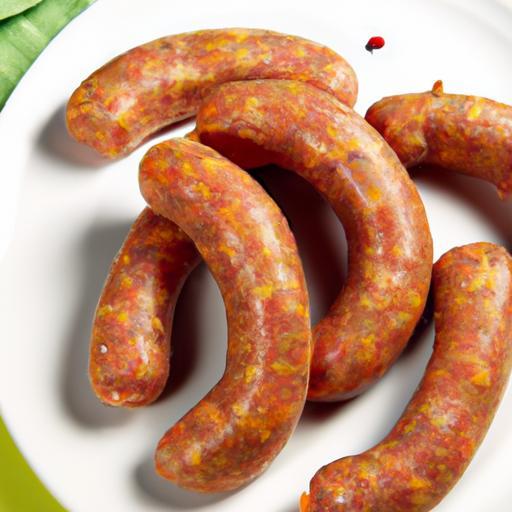
Savoring Sausage invites you on a flavorful exploration of conventional sausage craftsmanship, where regional heritage and time-honored techniques converge in every bite. From the fiery zest of Spanish chorizo to the herbaceous charm of Italian classics, sausage making is an art form reflecting centuries of cultural passion. Whether you’re craving the smoky undertones of a German bratwurst or the aromatic complexities of a French andouille, this journey unveils secrets to achieving juicy, perfectly seasoned sausages that honour their roots.
Prep and Cook Time
- Readiness: 30 minutes
- Cooking: 20 minutes
- Total Time: 50 minutes
Yield
Serves 4 generously
Difficulty Level
Medium – Ideal for adventurous home cooks ready to master sausage craft
Ingredients
- 1 lb ground pork shoulder, well chilled
- 1/2 lb ground beef, lean
- 2 tsp smoked paprika (for that signature chorizo warmth)
- 1 tsp fennel seeds, toasted and crushed
- 2 cloves garlic, minced
- 1 tsp ground black pepper
- 1 tbsp kosher salt
- 1/2 tsp crushed red pepper flakes (adjust to taste)
- 1/4 cup dry white wine (for flavor depth and moisture)
- natural hog casings, soaked and rinsed
- Optional: 1 tbsp fresh chopped oregano or thyme (for Italian-inspired notes)
Instructions
- Prepare the meat: Keep your meats chilled to ensure easy handling and bind. Combine ground pork and beef in a large bowl.
- mix the spices: Add smoked paprika, toasted fennel seeds, garlic, black pepper, kosher salt, crushed red pepper flakes, and fresh herbs (if using) to the meat mixture. Mix gently but thoroughly to incorporate all seasonings evenly.
- Moisten and flavor: Pour in the dry white wine slowly while mixing to create a rich, juicy paste.
- Rest the mixture: Cover the bowl with plastic wrap and refrigerate for at least 1 hour or overnight. this allows the flavors to meld beautifully.
- Prepare the casing: rinse the natural hog casings several times under cold water, then soak in warm water for 30 minutes.
- Stuff the sausages: Attach hog casings to a sausage stuffer or the nozzle of a piping bag. Carefully fill the casings with the meat mixture, being mindful not to overstuff to prevent bursting.
- Form links: Twist sausages into 6-inch links, pinching and twisting at intervals to separate.
- Cook gently: Pan-fry in a non-stick skillet over medium heat with a splash of olive oil. Cook for 5-7 minutes, turning regularly to brown evenly.
- Rest and serve: Let sausages rest for 5 minutes before serving to ensure maximum juiciness.
Chef’s Notes: Tips for Success
- Control moisture: Avoid over-blending; the ideal texture is slightly coarse for juicy bites.
- Flavor variations: Swap smoked paprika with chipotle powder for smoky heat, or add finely chopped apples for a sweet Italian twist.
- Make-ahead: Prepare sausages a day ahead, then freeze on a baking sheet. Store in freezer bags up to 3 months.
- Testing seasoning: Before stuffing, pan-fry a small patty to taste and adjust seasoning accordingly.
- Cooking method: For even cooking, finish sausages in a 350°F oven after browning on the stove.
Serving Suggestions
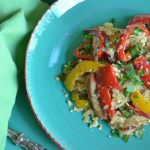
Present your sausages alongside vibrant roasted peppers and sweet caramelized onions to evoke a Mediterranean flair. A dollop of tangy mustard or a garlicky aioli adds the perfect contrast. for a classic Italian table, serve atop sautéed greens with a drizzle of aged balsamic vinegar. Don’t forget crusty artisan bread and grilled polenta as hearty sides.
Pairing Perfection: Wines and Sides
Choosing the right wine elevates your sausage experience. Spicy chorizo pairs beautifully with a bold zinfandel or Tempranillo, balancing heat with rich, fruity notes. For Italian sausages, a robust Sangiovese or Chianti Classico enhances savory herbs and garlic. Complement the meal with crisp, oven-roasted potatoes or a fresh fennel slaw to brighten the palate.
| Nutrient | Per Serving |
|---|---|
| Calories | 350 kcal |
| Protein | 28 g |
| Carbohydrates | 2 g |
| Fat | 25 g |

For a deep dive into related charcuterie techniques, be sure to explore our Charcuterie Basics Guide. Elevate your home butchery skills with artisan wisdom and create memorable culinary experiences.
Q&A
Q&A: Savoring Sausage – A Journey Through Flavors and History
Q1: What makes sausage such a beloved food across cultures?
A1: Sausage is a culinary chameleon-its versatility, rich flavors, and hearty textures resonate globally. From smoky German bratwurst to spicy Italian Calabrese, sausages adapt to local ingredients and tastes, making them a comforting staple and a symbol of regional identity. Their ability to preserve meat historically also positioned them as essential sustenance, blending practicality with pleasure.Q2: How did sausage originate, and what is its historical meaning?
A2: Sausage dates back thousands of years, with ancient civilizations like the Sumerians and Greeks laying early foundations. Originally crafted to salvage and season leftover meat, sausages evolved into elegant artisanal products.Historically, they were indispensable for preservation before refrigeration, enabling communities to enjoy meat year-round.Thus, sausages are not just food but edible history, mirroring human ingenuity.
Q3: What are the common ingredients found in sausages, and how do they influence flavor?
A3: At its core, sausage is a harmonious blend of ground meat, fat, seasoning, and a binder. The choice of meat-pork, beef, poultry, or even game-along with regional spices, herbs, and curing agents, crafts its unique character. Such as, fennel seeds lend sweetness to Italian sausages, while smoked paprika imparts warmth to Spanish chorizo.The fat content adds juiciness and mouthfeel, transforming simple components into indulgent bites.
Q4: How do regional variations impact sausage styles around the world?
A4: Geography and culture shape sausage styles like a sculptor molds clay. In asia, you’ll find delicate rice-stuffed sausages with subtle herbal notes, while Eastern Europe favors bold, garlicky, fermented varieties. Climate affects curing methods-dry, air-cured sausages thrive in Mediterranean climates, while smoked sausages prevail in colder regions. Each type tells a story of local tastes,resources,and traditions.Q5: Can sausage be part of a healthy diet?
A5: Like all indulgences, moderation is key. Choosing sausages made from lean meats, natural casings, and minimal additives can offer protein and satisfying flavors without excess sodium or preservatives. Pairing sausages with fresh vegetables, whole grains, and mindful portions transforms a rustic treat into a balanced component of a diverse diet.
Q6: What are some creative ways to enjoy sausage beyond the typical grill or pan-fry?
A6: Think beyond the bun! Sausage can enrich hearty stews, elevate pasta sauces, or sprinkle savory notes into breakfast scrambles.Try stuffing sausages into peppers for a vibrant casserole, or bake them alongside root vegetables for a comforting roast. Sausages also inspire global fusion-imagine spicy sausage tacos or sausage-studded flatbreads-where tradition meets innovation on the plate.
Q7: How can home cooks start experimenting with making their own sausages?
A7: Crafting sausage at home is a rewarding blend of art and science. begin with quality ingredients-fresh ground meat, flavorful spices, and natural casings if available. A trusty grinder and mixer help integrate flavors and fat evenly.Experiment with seasoning blends from different cultures to customize your sausages’ personality. Most importantly, embrace patience and hygiene-fermentation and curing require care but yield deeply satisfying results that connect you to centuries of culinary craft.
Sausage is more than just food-it’s a flavorful journey through history, culture, and creativity. Whether enjoyed on a rustic campfire or in a gourmet bistro, every bite tells a story worth savoring.
in summary
As our flavorful expedition through the world of sausage comes to a close, we find that this humble yet hearty delicacy is far more than just a snack-it is indeed a tapestry woven from centuries of tradition, culture, and culinary innovation.From smoky, spice-laden links to fresh, herb-infused varieties, each sausage tells a story of the land and people that crafted it. so next time you savor a bite, remember you’re partaking in a rich history that spans continents and generations, celebrating the enduring art of transforming simple ingredients into timeless, mouthwatering delights. The journey may end here, but the adventure of flavor continues-one sausage at a time.