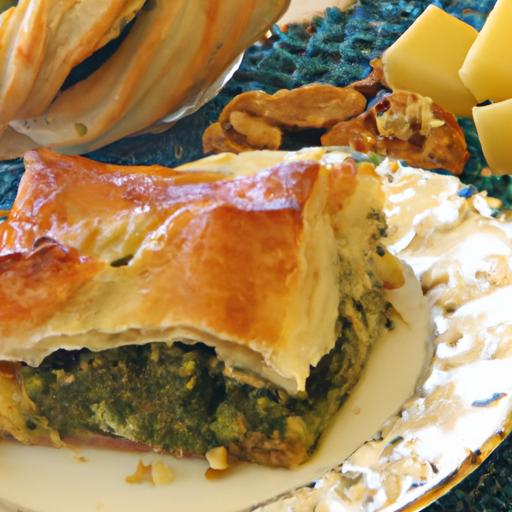

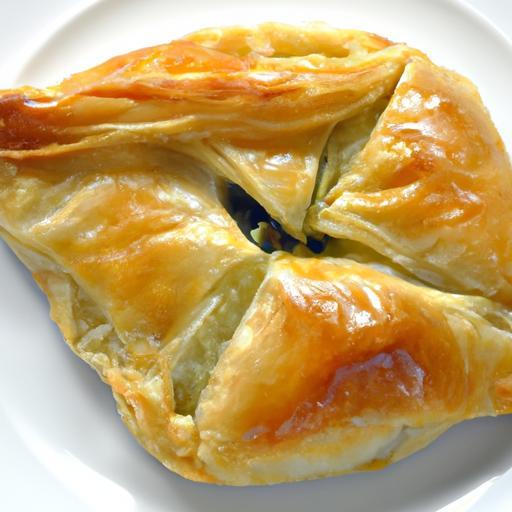
Nestled within the vibrant tapestry of Greek cuisine lies a treasure as humble as it is indeed exquisite: spanakopita, the savory spinach pie that has captured the hearts and palates of food lovers around the world. More than just a pastry, spanakopita is a culinary story, a delicate dance of flaky phyllo dough cradling a luscious blend of spinach, feta, herbs, and secrets passed down through generations. In this article, we embark on a flavorful journey to unravel the mysteries behind Greece’s beloved delicacy-exploring its origins, the artful techniques that make its crust irresistibly crisp, and the subtle nuances that transform simple ingredients into a dish worthy of celebration. Prepare to uncover the secrets of spanakopita and discover why this pie remains an enduring symbol of Greek heritage and hospitality.
spanakopita Secrets: Unraveling Greece’s Savory Spinach Pie
Spanakopita, a timeless greek classic, captivates with layers of delicate phyllo dough embracing a vibrant spinach and feta filling. This savory pie’s allure stems not only from its crisp texture and rich flavors but from a centuries-old tradition that celebrates local ingredients and communal cooking. From the sun-kissed fields where fresh spinach is harvested to the artful folding of phyllo, every step of this dish honors Greek heritage and culinary craftsmanship.
Prep and Cook Time
- planning: 30 minutes
- Cooking: 45 minutes
- Total Time: 1 hour 15 minutes
Yield
Serves 8 flavorful slices
Difficulty Level
Medium – ideal for confident home cooks eager to master phyllo handling and flavor balance
ingredients
- 1 lb fresh spinach, washed thoroughly and roughly chopped
- 8 oz feta cheese, crumbled
- 1 cup ricotta cheese
- 3 green onions, finely sliced
- 2 garlic cloves, minced
- 2 tbsp fresh dill, chopped
- 1 tbsp fresh parsley, chopped
- 4 large eggs, lightly beaten
- 1/2 cup olive oil, plus extra for brushing phyllo sheets
- 1/2 tsp freshly ground black pepper
- 1/4 tsp ground nutmeg
- 1 package phyllo dough (about 20 sheets), thawed
Instructions
- Prepare the spinach: In a large skillet over medium heat, drizzle 2 tablespoons of olive oil. Add minced garlic and green onions; sauté until fragrant and soft, about 3 minutes.Add chopped spinach in batches, stirring until wilted and excess moisture evaporates, about 8 minutes total. Remove from heat and let cool completely.
- Drain excess liquid: Transfer cooled spinach mixture to a fine-mesh sieve or cheesecloth. Press gently to remove as much moisture as possible-this step is key to preventing sogginess.
- Mix the filling: In a large bowl, combine drained spinach mixture, crumbled feta, ricotta, eggs, dill, parsley, black pepper, and nutmeg. Stir gently until well incorporated but not overmixed.
- Preheat your oven: Set to 350°F (175°C) and prepare a 9×13-inch baking dish by brushing it lightly with olive oil.
- Layer the phyllo dough: Unroll phyllo sheets carefully, covering them with a damp towel to prevent drying. Place one sheet in the dish and brush generously with olive oil. Repeat layering and brushing for about 8 sheets, ensuring edges hang over the sides for folding later.
- Add the filling: Spread the spinach and cheese mixture evenly over the layered phyllo.
- Top layers: Layer remaining phyllo sheets over filling, again brushing each sheet with oil. Use about 8 sheets, folding over excess dough from the edges and tucking it inside for sealed edges.
- Score and bake: Using a sharp knife, score the top layers into squares or diamonds to ease serving.Bake in the preheated oven for 45-50 minutes, until the phyllo is deep golden and crisp.
- Rest before serving: Remove from oven and allow the pie to rest 10 minutes; this helps it set and enhances slicing.
Tips for Success: Insider Secrets for Spanakopita Perfection
- Choose fresh over frozen spinach whenever possible; it yields brighter flavor and better texture.
- Ensure thorough moisture removal. Excess water is the enemy of crisp phyllo; pressing or squeezing spinach is crucial.
- Work quickly and gently with phyllo sheets to avoid tearing and drying out. Cover with a damp towel when not in use.
- Brushing each phyllo layer generously with olive oil is the secret to that shimmering, crackly golden finish.
- Score before baking to help the pie bake evenly and create beautiful portions.
- Make ahead by assembling and storing covered in the refrigerator for up to 24 hours before baking.
- For a nuttier flavor,substitute half the feta with graviera cheese.
Serving Suggestions
Slice warm or at room temperature for the best texture. Serve with a wedge of lemon for brightness and a dollop of Greek yogurt or tzatziki on the side for creaminess. Garnish with fresh dill sprigs and a light drizzle of extra virgin olive oil. Pair with a crisp white wine or iced herbal tea to complete a Mediterranean feast.

| Nutrient | Per Serving |
|---|---|
| calories | 320 kcal |
| Protein | 12 g |
| Carbohydrates | 28 g |
| Fat | 18 g |
For those eager to explore more Mediterranean flavors, check out our detailed guide on Greek appetizers. To deepen your knowledge about the history of Greek culinary traditions, the Encyclopedia Britannica entry on Spanakopita offers invaluable insight.
Q&A
Q&A: Spanakopita Secrets – Unraveling Greece’s Savory Spinach Pie
Q1: What exactly is spanakopita?
Spanakopita is a beloved Greek savory pie made primarily with spinach, feta cheese, onions or leeks, fresh herbs, and wrapped in delicate, crispy layers of phyllo dough.It’s a culinary emblem of Greece, embodying rustic simplicity and rich, vibrant flavors.
Q2: Where does spanakopita originate from?
Spanakopita hails from Greece, where it has been a staple for centuries. Its roots trace back to traditional Greek home kitchens,where local families crafted this pie as a way to celebrate seasonal greens and local cheeses,turning humble ingredients into a culinary treasure.
Q3: What makes spanakopita so unique compared to other savory pies?
What sets spanakopita apart is the harmonious balance between its flaky, buttery phyllo pastry and the savory, luminous filling. The filling isn’t just spinach and cheese-it gets a flavor boost from fresh dill,parsley,scallions,and sometimes a squeeze of lemon,making every bite a refreshing and satisfying experience.
Q4: Why is phyllo dough important in making an authentic spanakopita?
Phyllo dough is the magic that provides spanakopita with its signature crunch and layered texture. Ultra-thin and paper-like, when brushed with olive oil or butter and baked, it crisps to golden perfection, offering a delightful contrast to the creamy, flavorful filling inside. Without phyllo,spanakopita wouldn’t have its iconic crunch and elegance.
Q5: Are there any secret ingredients or techniques that elevate spanakopita?
Absolutely! One secret is sautéing the spinach and onions gently to remove excess moisture-this keeps the filling from becoming soggy. Another is incorporating fresh herbs like dill and mint for an aromatic punch.Some cooks add a hint of nutmeg or lemon zest for added depth. Even the way the phyllo sheets are layered-with plenty of oil or butter brushed between them-can make or break the texture.
Q6: Can spanakopita be adapted for dietary preferences?
Yes! While traditional recipes use feta and butter or olive oil,vegetarians and vegans can opt for plant-based cheeses and oils. gluten-free phyllo alternatives are emerging, and you can even experiment with fillings like kale, leeks, or chard if spinach isn’t on hand.
Q7: How is spanakopita traditionally served in Greece?
Spanakopita is versatile-served as a snack, a light lunch, or part of a larger meze spread. Greeks often enjoy it warm or at room temperature, paired with a squeeze of lemon or a dollop of Greek yogurt. It’s common at festive gatherings, picnics, and family dinners.
Q8: what makes spanakopita a timeless dish around the world?
its allure lies in simplicity, tradition, and irresistible flavor. Spanakopita embodies Mediterranean charm and healthy ingredients, making it popular globally among food lovers seeking comfort food with a cultural story. Its layers of crisp pastry and vibrant filling tell a tale of heritage, seasonality, and Greek hospitality.
Q9: Where can someone learn to master spanakopita?
Cooking classes focused on Greek cuisine, authentic family recipes, and plenty of hands-on practice are the best path to mastery. There’s also a wealth of tutorials online that guide you through perfecting your phyllo layering and balancing the filling. And, of course, tasting different versions at Greek tavernas inspires your own creative spin.
Dive into the world of spanakopita, and you’re not just baking a pie-you’re unfolding centuries of Greek culture, flavor, and heart with every crispy, savory bite.
Future Outlook
As we fold together the layers of tradition, technique, and flavor that define spanakopita, it becomes clear that this humble spinach pie is much more than a dish-it’s a delicious narrative of Greece’s rich culinary heritage. Whether you’re a seasoned chef or a curious food lover, embracing the secrets behind spanakopita invites you to savor not just a pie, but a story steeped in history, community, and the timeless art of gathering around the table. So next time you bite into that golden, flaky crust, remember: you’re tasting a slice of Greece’s savory soul, carefully wrapped in filo and waiting to be unraveled again and again.