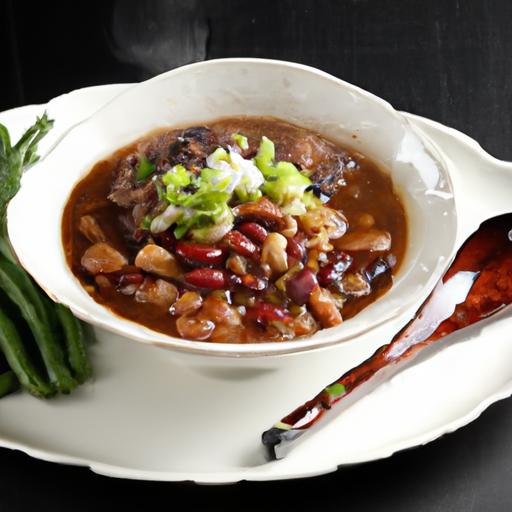

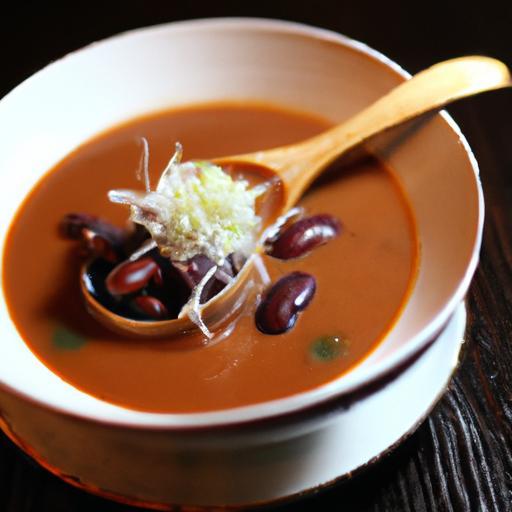
There’s something quietly enchanting about a bowl of red bean soup-its warm, ruby-hued depths brimming with both comfort and cultural heritage. From bustling street markets to festive family gatherings,this humble dessert has woven itself into the fabric of countless traditions across Asia and beyond. Sweet yet earthy, simple yet profound, red bean soup invites us on a journey thru history, culinary artistry, and the sweet rituals that unite generations. In this exploration of “Sweet Traditions: Exploring the Rich World of Red Bean Soup,” we delve into the origins, variations, and timeless appeal of a dish that transcends borders and time, reminding us that sometimes, the sweetest stories are found in a spoonful of soup.
Sweet Traditions: Exploring the Rich World of Red Bean Soup is a delightful journey through a comforting dish cherished across asia. This sweet, velvety soup has warmed hearts and tables for centuries, weaving stories of family gatherings and festive celebrations. Rooted in Chinese culinary heritage yet embraced across Korea, Japan, and Southeast Asia, red bean soup embodies a simple elegance-its natural sweetness and creamy texture coaxed from humble ingredients. Whether served hot during winter or chilled as a refreshing treat, it is a testament to how a few pantry staples can unite diverse cultures in one flavorful tradition.
Prep and Cook Time
- Planning: 15 minutes (excluding soaking time)
- Soaking: 4-6 hours or overnight
- Cooking: 1 hour 15 minutes
Yield
- Serves 6 generous portions
Difficulty Level
- Easy to Medium – approachable for beginners but revelatory for seasoned cooks
Ingredients
- 1 cup dried adzuki beans (red mung beans), rinsed and soaked
- 6 cups filtered water
- 3/4 cup rock sugar or granulated sugar (adjust to taste)
- 2 pandan leaves, tied into a knot (optional, for fragrant aroma)
- 1/2 teaspoon vanilla extract (optional)
- Pinch of salt
- 1/4 cup glutinous rice balls (tangyuan) or cooked sweet potato cubes (optional)
Step by step Guide to Crafting the Perfect Red Bean Soup
- Soak the Beans: Begin by rinsing 1 cup dried adzuki beans under cold water, removing any debris. Soak them for at least 4 hours or overnight to soften, which will cut down cooking time and ensure a creamy finish.
- Cook the Beans: Drain soaked beans and transfer to a large pot. Add 6 cups of filtered water and bring to a boil over medium-high heat. Once boiling, reduce to a gentle simmer and cook uncovered for 45 minutes, skimming off any foam with a slotted spoon to keep the broth clear.
- Add Fragrance and Sweetness: incorporate knotted pandan leaves if using, and continue simmering for an additional 15 minutes until beans are tender but not mushy.
- Sweeten the Soup: Stir in 3/4 cup rock sugar gradually, tasting as you go to reach your preferred sweetness.Add a pinch of salt to balance flavors. For a subtle depth, stir in 1/2 teaspoon vanilla extract.
- Optional Enhancements: If desired, gently cook glutinous rice balls (tangyuan) separately and add to the soup, or toss in cooked sweet potato cubes for texture contrast. let everything warm together for 5 minutes.
- Final Texture Adjustment: For a thicker consistency, mash some beans gently with the back of a spoon or use an immersion blender on low settings, then return to heat briefly.
- Serve Warm or Chilled: Ladle into bowls and garnish with a few whole adzuki beans or a drizzle of coconut milk for extra richness.
Chef’s Notes and Tips for Success
- Soaking is Key: Proper soaking significantly reduces cooking time and enhances digestibility.
- Rock Sugar vs. Granulated Sugar: Rock sugar melts slowly, lending a clean sweetness without overpowering, but granulated sugar works fine if that’s what you have on hand.
- Pandan Leaves Substitute: Use a small strip of lemon zest or a few drops of almond extract if pandan is unavailable; this adds a delicate, aromatic layer shared by many red bean soup variations.
- Make-Ahead Convenience: This soup thickens as it cools. Reheat with a splash of water or coconut milk to restore silky smoothness.
- Flavor Variation: for a more complex palette, try adding a cinnamon stick or star anise during cooking, removing before serving.
- Vegan and Gluten-Free: The recipe is naturally vegan and gluten-free-perfect for inclusive dining occasions.
Creative Twists and Serving Suggestions for Every Occasion
Red bean soup lends itself beautifully to modern interpretations while honoring its conventional roots. For a refreshing summer dessert, chill the soup and serve over crushed ice with a sprinkle of toasted sesame seeds and a scoop of matcha or black sesame ice cream.
During festivities like Lunar New Year or Mid-Autumn festival, adorn bowls with sweet rice dumplings or mochi cubes for symbolic luck and prosperity. A swirl of coconut cream and a scatter of toasted coconut flakes add tropical flair for an Asian fusion twist.
For casual teatime, serve warm with a side of crispy sesame cookies or steamed buns. Alternatively, enrich the soup by blending a portion into a smooth puree that can double as a luscious topping for pancakes or waffles.
| Nutritional Details (per serving) | Amount |
|---|---|
| Calories | 180 |
| Protein | 7g |
| Carbohydrates | 38g |
| Fat | 0.5g |

For more inspiring traditional Asian desserts, visit our Traditional Asian Desserts Guide and explore the captivating universe of sweet flavors. To deepen your knowledge about adzuki beans and their health benefits, see this scientific overview from the National Institutes of Health.
Q&A
Q&A: Sweet Traditions – Exploring the Rich World of Red Bean Soup
Q1: What is red bean soup, and why is it considered a beloved tradition in many cultures?
A: Red bean soup is a sweet dessert made primarily from adzuki beans, simmered until tender and often sweetened with sugar or honey.It holds a special place in East Asian culinary heritage, especially in Chinese, Korean, and Japanese cultures. This comforting soup symbolizes warmth,family gatherings,and auspicious occasions,making it more than just a dish-it’s a delicious thread woven into the fabric of tradition.
Q2: How did red bean soup become such a popular dessert across Asia?
A: The journey of red bean soup traces back centuries to ancient agrarian societies where adzuki beans thrived. Its popularity grew not only for its natural sweetness and satisfying texture but also as red beans were believed to possess health benefits,including enhancing energy and aiding digestion. Over time,regional adaptations and cultural exchanges helped cement red bean soup as a staple dessert during festivals and daily meals alike.
Q3: Are there different variations of red bean soup around the world?
A: Absolutely! In China, red bean soup is frequently enough served hot, sometimes with lotus seeds or tapioca pearls. In japan, oshiruko or zenzai pairs the sweetened red bean paste with soft mochi, creating a silky, chewy delight.Korea’s patjuk is a hearty red bean porridge traditionally enjoyed during the winter solstice, symbolizing protection against evil spirits. Each variation carries unique flavors and customs,reflecting the local palate and cultural beliefs.
Q4: What makes red bean soup so nutritious despite being a dessert?
A: Beyond its comforting sweetness,red bean soup packs a nutritional punch. Adzuki beans are rich in protein, fiber, antioxidants, and essential minerals like iron and potassium. these nutrients support heart health, digestion, and sustained energy-proving that indulgence and nourishment can beautifully coexist in a bowl of red bean soup.
Q5: How can someone make traditional red bean soup at home, and are there any tips for beginners?
A: Making traditional red bean soup is both simple and rewarding. Start by rinsing and soaking adzuki beans overnight to reduce cooking time and improve texture.Simmer the beans gently with water, then sweeten with rock sugar or your sweetener of choice once they’re soft. For added flair, try including ingredients like dried lotus seeds, sago pearls, or coconut milk. Patience is key-slow simmering brings out the beans’ natural sweetness and tender creaminess. Lastly, don’t be afraid to adjust sweetness levels to your taste!
Q6: What cultural importance does red bean soup hold during festivals and special occasions?
A: Red bean soup is more than a treat; it’s a symbol of luck, happiness, and unity. in many East Asian cultures, red is an auspicious color representing good fortune, and the red beans echo this symbolism. As a notable example,during the Chinese New Year or Mid-Autumn Festival,sharing red bean soup serves as a wish for prosperity and harmony. In Korea, patjuk is eaten during the winter solstice to keep evil spirits away and welcome longer days.This dessert becomes an edible narrative of hope and tradition passed through generations.
Through its rich history, comforting flavors, and cultural significance, red bean soup remains a timeless sweet tradition-a bowlful of heritage, health, and heartwarming delight. whether enjoyed steaming hot or chilled, it invites us all to savor a taste of history and the sweet stories it carries.
Key Takeaways
As the gentle sweetness of red bean soup lingers on the palate, it carries with it more than just flavor-it holds stories brewed through generations, weaving together tradition, culture, and comfort in a single bowl. From the bustling streets of East Asia to the quiet corners of family kitchens worldwide, this humble dessert transcends borders and time, inviting us all to savor a taste of heritage. whether enjoyed hot or cold, in moments of festivity or quiet reflection, red bean soup remains a delightful reminder that sometimes, the simplest ingredients can tell the richest stories. So next time you sip that warm, velvety sweetness, remember-you’re not just indulging your taste buds, but partaking in a timeless tradition steeped in history and heart.