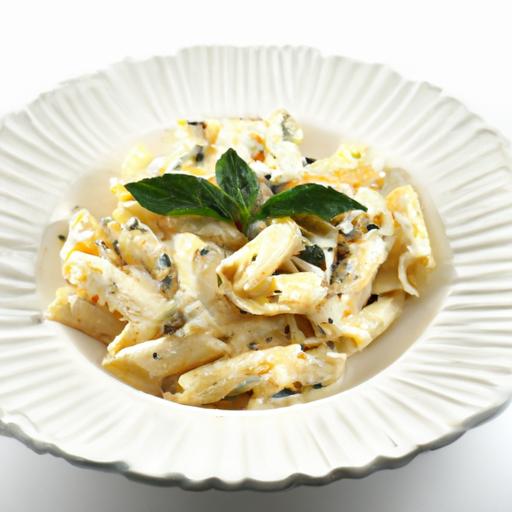

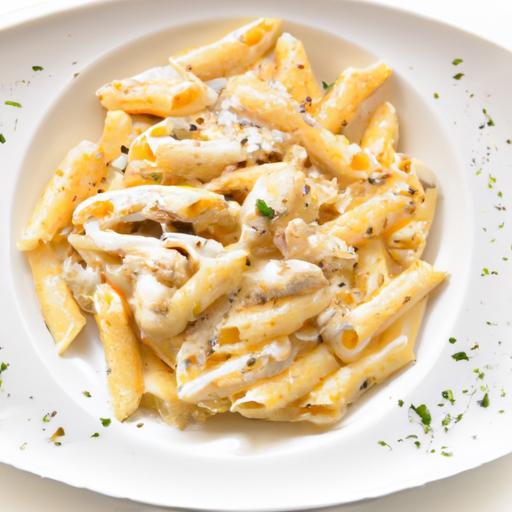
There’s something undeniably enchanting about the rich, velvety embrace of Pasta Alfredo-a dish that transcends time and tantalizes taste buds with its creamy allure.Originating from humble beginnings in early 20th-century Rome, this timeless classic has woven itself into the fabric of global cuisine, captivating food lovers with its simple yet indulgent combination of butter, cream, and Parmesan cheese. In this article, we’ll explore the creamy charm of Pasta Alfredo, delving into its history, ingredients, and the reasons why it continues to hold a special place on tables and hearts around the world. Weather you’re a seasoned foodie or a curious newcomer, prepare to uncover the secrets behind this beloved dish’s enduring popularity.
The Creamy Charm of Pasta Alfredo begins with a story steeped in italian tradition and a pursuit of simple,luxurious comfort. Originating in early 20th century Rome, this velvety sauce was first crafted by Alfredo di Lelio, who sought to please his wife with a soothing yet indulgent meal. What started as a humble blend of butter, Parmesan cheese, and pasta has blossomed into a globally beloved classic, cherished for its rich texture and easily adaptable framework. Understanding its roots sheds light on why this dish continues to captivate, inviting home cooks and chefs alike to master its silky allure and introduce their own creative flourishes.
Prep and Cook Time
- Readiness: 10 minutes
- Cooking: 15 minutes
- Total Time: 25 minutes
Yield
Serves 4 generously
Difficulty Level
Easy – perfect for cooks of all skill levels aiming for a restaurant-quality finish at home
Ingredients
- 12 oz fettuccine pasta, cooked al dente according to package instructions
- 1/2 cup unsalted butter, cut into tablespoons
- 1 cup freshly grated Parmigiano-Reggiano cheese
- 1 cup heavy cream, preferably cold
- 2 garlic cloves, finely minced (optional for subtle aroma)
- Salt and freshly ground black pepper to taste
- Fresh flat-leaf parsley, chopped for garnish
Instructions
- Cook the pasta: Bring a large pot of salted water to a boil. Add the fettuccine and cook until just al dente, about 10 minutes. Reserve 1 cup of the pasta water before draining the pasta.
- Prepare the sauce base: In a large skillet over medium-low heat, melt the butter gently.If using garlic, add it now and sauté until fragrant but not browned, about 1 minute.
- Add cream carefully: Pour in the cold heavy cream and stir continuously, allowing it to warm slowly. Do not let it boil to preserve the sauce’s silkiness.
- Incorporate cheese gradually: Lower the heat and whisk in the grated Parmigiano-Reggiano in small handfuls, allowing it to melt evenly. Stir constantly to avoid clumps and maintain a smooth texture.
- Adjust consistency: Slowly add reserved pasta water, a few tablespoons at a time, until the sauce clings luxuriously to the noodles without being too thick or runny.
- Combine pasta and sauce: Add the cooked fettuccine directly into the skillet. Toss gently using tongs until every strand is evenly coated with the creamy Alfredo sauce.
- Season boldly: Taste and season with salt and freshly ground black pepper. Remember, Parmigiano is naturally salty, so add salt cautiously.
- Serve immediately: Garnish with chopped fresh parsley and a light dusting of grated Parmesan for an elegant finish.
Tips for Success
- Use quality Parmesan: Authentic Parmigiano-Reggiano delivers the nutty umami that elevates the sauce beyond imitation cheeses.
- Do not overheat the cream: keeping the sauce at medium-low heat prevents curdling and ensures a luscious finish.
- Reserve pasta water: Its starch acts as a natural thickener and emulsifier, creating the perfect silky texture.
- Customize with care: Feel free to add sautéed mushrooms, grilled chicken, or steamed broccoli to create layers of flavor and texture.
- Make ahead tip: Prepare the sauce and pasta separately and combine just before serving to maintain freshness and creaminess.
Serving Suggestions
To amplify the creamy charm of pasta Alfredo, consider serving it alongside crisp garden salads with acidic vinaigrettes that cut through the richness. A glass of chilled dry white wine, such as Pinot Grigio or Sauvignon Blanc, also complements the lush flavors perfectly. For a garnish, vibrant parsley or toasted pine nuts add a burst of freshness and crunch. For celebratory occasions,top with delicate flakes of black truffle or a drizzle of white truffle oil to elevate this timeless classic to gourmet status.
Nutritional information
| Nutrient | Per Serving |
|---|---|
| Calories | 620 |
| Protein | 21g |
| Carbohydrates | 58g |
| Fat | 32g |
Related reading: Explore more delicious pasta recipes like Creamy Mushroom Fettuccine that infuse classic techniques with fresh flair.
For a deeper dive into the science of dairy emulsions that make the creamy charm of Pasta Alfredo possible, visit Exploratorium’s Emulsion Guide.

Q&A
Q&A: the Creamy Charm of Pasta Alfredo: A Timeless Classic
Q1: What is Pasta Alfredo and where did it originate?
A1: Pasta Alfredo is a luscious Italian dish celebrated for its rich, creamy sauce and simple yet decadent flavors. Originating in early 20th-century Rome, it was famously crafted by Alfredo di Lelio to comfort his wife with a nourishing meal. The original recipe highlights the magic of butter, Parmesan cheese, and freshly cooked pasta, creating a velvety sauce that clings lovingly to every strand.
Q2: What makes Alfredo sauce so creamy and irresistible?
A2: The secret lies in the harmony of just a few quality ingredients whipped into silky perfection. Butter and freshly grated Parmesan melt together with pasta water’s starchy embrace, forming an emulsion that coats the noodles like a warm, indulgent hug. Unlike heavier cream-based versions, the original sauce’s simplicity lets the cheese’s nutty depth and buttery richness shine.
Q3: How has Pasta Alfredo evolved over time?
A3: While the classic combination remains beloved, Alfredo has inspired countless variations worldwide. Some renditions introduce heavy cream for extra indulgence, others jazz it up with garlic, herbs, or proteins like chicken and shrimp.Despite its adaptations, the heart of Alfredo lies in its creamy texture and comforting essence-a timeless appeal that transcends culinary trends.
Q4: Can Pasta Alfredo be made healthier without losing its charm?
A4: Absolutely! Swapping heavy cream for evaporated milk or using part-skim parmesan can lighten the dish without sacrificing much of the creamy allure. Incorporating whole-grain pasta or adding vegetables like spinach or peas boosts nutrition and texture. The key is balance-maintaining that silky mouthfeel and savory depth while embracing mindful ingredients.
Q5: What’s the best way to serve Pasta Alfredo?
A5: Freshly tossed with the sauce in a warm pan, Pasta Alfredo is best savored immediately to relish its creamy richness at its peak. Pair it with a crisp green salad or roasted vegetables to provide a refreshing contrast. A sprinkle of cracked black pepper or a hint of lemon zest can brighten the flavors, making every bite a perfect harmony of indulgence and delight.
Q6: Why does Pasta Alfredo continue to captivate food lovers worldwide?
A6: It’s the enchanting simplicity and comforting richness that make Alfredo timeless. This dish reminds us that sometimes, a handful of humble ingredients-when treated with care-can create magic on a plate. Its creamy charm transcends generations, inviting everyone to savor a little piece of culinary history with every forkful.
Key Takeaways
As the warm, velvety ribbons of pasta glide effortlessly across your palate, it’s clear why Alfredo has secured its place in the pantheon of Italian culinary treasures. More than just a dish,it embodies a harmonious blend of simplicity and elegance-where rich cream,butter,and Parmesan converge to create a sauce that’s both comforting and indulgent. Whether enjoyed in a bustling trattoria or recreated in the cozy confines of your kitchen, Pasta Alfredo continues to charm generations, reminding us that sometimes, the most timeless classics are those that celebrate the pure, creamy joy of good food shared. So next time you twirl that luscious sauce-coated fettuccine on your fork, savor not just the flavors but the enduring story of a dish that has gracefully stood the test of time.