
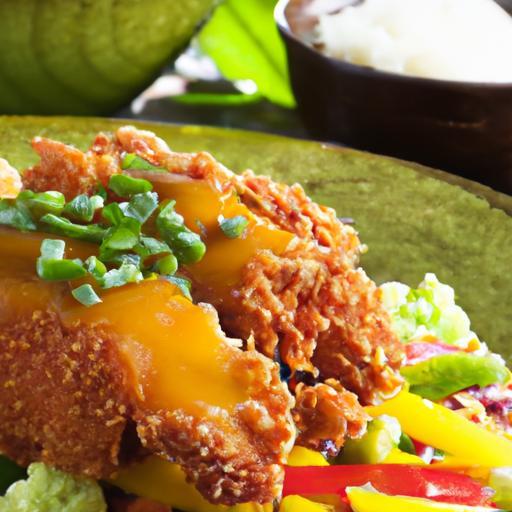
In the vibrant world of culinary delights, few dishes captivate the palate quite like sweet and sour chicken. This beloved classic dances effortlessly between tangy zest and sugary warmth, creating a symphony of flavors that intrigue and comfort in equal measure. But mastering this delicate balance is an art form-one that transforms a simple plate into an unforgettable experience. In this article, we’ll explore the secrets behind achieving that perfect harmony of sweet and sour, unlocking tips and techniques too elevate your chicken flair from ordinary to extraordinary. Get ready to embark on a flavorful journey where precision meets passion,and every bite tells a story of culinary mastery.
Mastering the sweet and sour chicken flair begins with understanding the delicate interplay of flavors that create its unmistakable charm. Originating from Cantonese cuisine, this dish beautifully balances tangy, sweet, and savory notes to excite the palate. With every bite, the perfect harmony of crisp battered chicken coated in a glossy, vibrant sauce brings a joyous culinary experience thatS both nostalgic and refreshingly modern.
Prep and Cook Time
- Preparation: 20 minutes
- Cooking: 15 minutes
- Total Time: 35 minutes
Yield
Serves 4 generously
Difficulty Level
Medium - Ideal for home cooks ready to elevate their flavor game
Ingredients
- 450g boneless, skinless chicken thighs, cut into bite-sized pieces
- 1 cup all-purpose flour, sifted
- 1/2 cup cornstarch
- 1 large egg
- 1/2 cup cold water
- Vegetable oil, for frying
- 1 green bell pepper, chopped into 1-inch pieces
- 1 red bell pepper, chopped into 1-inch pieces
- 1 small onion, cut into wedges
- 1/2 cup pineapple chunks, fresh or canned
- 3 tbsp rice vinegar
- 1/4 cup ketchup
- 1/3 cup brown sugar
- 2 tbsp soy sauce
- 1 tbsp cornstarch mixed with 2 tbsp water (slurry)
- 2 cloves garlic, minced
- 1 tsp freshly grated ginger
Instructions
- Prepare the batter: In a mixing bowl, whisk together the all-purpose flour, cornstarch, egg, and cold water until smooth and slightly thick but still flowy. This light batter is the key to achieving a crunchy, airy coating on the chicken.
- Coat the chicken: Pat dry the chicken pieces and toss them gently into the batter, ensuring each piece is evenly coated. This step locks in juiciness while providing a perfect canvas for the sauce.
- Heat the oil: Pour vegetable oil into a deep pan or wok, heating it to 350°F (175°C). Test by dropping a small amount of batter into the oil; it should sizzle instantly and float to the surface.
- Fry the chicken: Fry the battered chicken in batches, avoiding overcrowding, for about 5-7 minutes or until golden brown and crisp. Remove with a slotted spoon and drain on paper towels to retain crunch.
- Sauté the vegetables: In a clean wok over medium-high heat, swirl a tablespoon of oil, then add the minced garlic and ginger, frying until fragrant (about 30 seconds). Add bell peppers, onions, and pineapple chunks, tossing quickly to keep them vibrant and crisp-tender.
- Craft the sauce: In a small bowl, blend rice vinegar, ketchup, brown sugar, and soy sauce. Pour this mixture into the wok and bring to a simmer.
- Thicken the glaze: Slowly stir in the cornstarch slurry, cooking for 2-3 minutes until the sauce turns glossy and clings beautifully to the vegetables.
- Combine chicken and sauce: Add the fried chicken back into the wok, gently tossing to coat each piece with the enticingly sticky sauce. Cook for an additional minute to meld flavors without losing crispness.
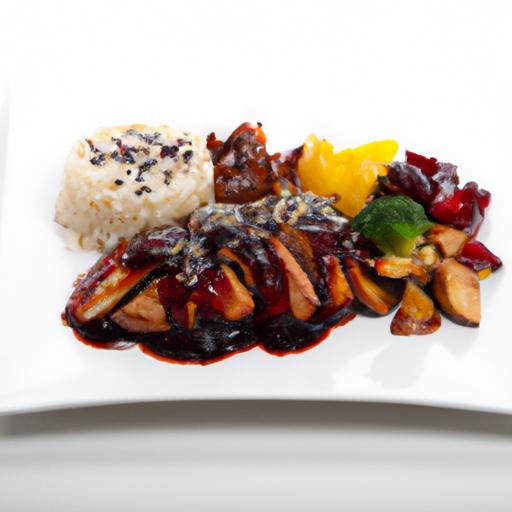
- Serve immediately: Plate with steamed jasmine rice and garnish with chopped scallions or toasted sesame seeds for added texture and appeal.
Tips for Success: Customizing Your Sweet and Sour Chicken Flair
- Ingredient quality: Choose fresh bell peppers and pineapple for a sharper, brighter flavor. If canned pineapple is used, drain thoroughly to avoid a watery sauce.
- Texture tuning: For an extra-crispy bite, double-fry the chicken-fry first until pale golden, let rest, then fry again to a rich golden hue just before saucing.
- Sauce adjustments: tailor sweetness by adjusting brown sugar increments; increase vinegar for tang or add a splash of orange juice for a citrus twist.
- Make ahead: Prepare the sauce and chop vegetables a day in advance.Fry the chicken just before serving to maintain peak crispness.
- Allergy-friendly tips: Substitute cornstarch with rice flour for a gluten-free batter option.
Serving Suggestions
Present this dazzling dish atop a bed of fragrant jasmine or steamed basmati rice to soak up every drop of the luscious sauce. Garnish with finely sliced green onions, a sprinkle of toasted sesame seeds, or even thin julienned carrots for a pop of color. for added freshness and crunch, serve alongside a simple cucumber salad dressed lightly with rice vinegar and a touch of chili oil.

| Nutrient | Amount per Serving |
|---|---|
| Calories | 420 kcal |
| protein | 32 g |
| Carbohydrates | 45 g |
| Fat | 12 g |
Discover more innovative recipes that complement your sweet and sour chicken flair in our Asian chicken dishes collection. For detailed insights into the chemistry of balancing sweet and sour flavors, visit this expert article on Serious Eats.
Q&A
Q&A: The Perfect Balance – Mastering Sweet and Sour Chicken Flair
Q1: What makes sweet and sour chicken such a beloved dish worldwide?
A1: Sweet and sour chicken captivates with its vibrant dance of flavors-tangy, sugary, and savory-all harmonizing in every bite. This dynamic contrast awakens the palate,offering comfort and excitement concurrently. Its colorful presentation and crunchy texture add an irresistible charm that transcends cultures and kitchens worldwide.
Q2: How important is balancing the sweet and sour elements in this dish?
A2: It’s absolutely crucial. The key to mastering sweet and sour chicken lies in creating a symphony where neither sweetness nor sourness overshadows the other. Too much sugar can make the dish cloying,while excessive tang can overpower the palate. The perfect balance unlocks a nuanced flavor profile that’s refreshing, hearty, and utterly crave-worthy.
Q3: What are the essential ingredients that contribute to the sweet and sour harmony?
A3: At the heart of the sauce are staples like vinegar (ofen rice vinegar), sugar (or honey), and ketchup or tomato paste for richness and color. Pineapple juice or chunks introduce natural sweetness and a fruity note, while soy sauce adds depth and umami. A dash of cornstarch thickens the sauce into a glossy, luscious coat for the crispy chicken.Q4: Can you share a pro tip for achieving that coveted crispy chicken texture?
A4: absolutely! Double-dip your chicken pieces-first in a light batter, then in seasoned cornstarch or flour-before frying. This layered approach creates a sturdy shell that stays crisp even after being bathed in the sauce. Also, frying at the right oil temperature (around 350°F/175°C) ensures an ideal crunch without greasiness.
Q5: How can one customize sweet and sour chicken to suit different taste preferences?
A5: The beauty of this dish lies in its versatility. For a tangier punch,add more vinegar or a squeeze of fresh lemon juice. Prefer it sweeter? Increase the sugar or stir in a touch of maple syrup. Spice lovers can incorporate chili flakes or fresh ginger for a zesty kick. Even the choice of veggies-bell peppers, onions, or carrots-can be tweaked to bring fresh textures and flavors.
Q6: what’s the best way to serve sweet and sour chicken for a complete culinary experience?
A6: Pair it with steamed jasmine rice or fluffy fried rice to soak up the luscious sauce. A side of stir-fried greens or crisp spring rolls adds contrast and balance. For an extra touch of flair, garnish with toasted sesame seeds, sliced scallions, or fresh cilantro. This harmonious ensemble transforms a simple meal into a festive feast.
Q7: Why is mastering sweet and sour chicken considered a rite of passage for home cooks?
A7: Becuase it challenges cooks to juggle texture, flavor balance, and timing-a true test of kitchen finesse. Nailing sweet and sour chicken shows you’ve developed a refined palate and gained confidence in managing contrasting elements. Once mastered, it opens doors to exploring other complex yet rewarding Asian-inspired dishes with flair.
Whether you’re a novice or a seasoned cook, embracing the art of sweet and sour chicken invites you to create magic in your kitchen-one perfectly balanced bite at a time.
In Summary
mastering the art of sweet and sour chicken is more than just following a recipe-it’s about discovering the harmonious dance between tangy zest and sugary warmth.Achieving that perfect balance transforms a simple dish into a culinary masterpiece that delights the senses and invites endless creativity. So whether you prefer a gentle hint of sweetness or a bold sour punch, let your palate guide you on this flavorful journey. With patience, practice, and a sprinkle of flair, you’ll soon find yourself serving up not just a meal, but an experience worthy of savoring again and again.